
Key takeaways
What's inside
Best grip tape for pull up bar is a trade-off between grip and diameter, because every layer you add makes the bar thicker and a thicker bar is harder to hold. Getting that balance right matters more than which brand you choose.
As an Amazon Associate we earn from qualifying purchases at no extra cost to you. Product prices and availability are accurate as of the date shown and are subject to change.
As an Amazon Associate we earn from qualifying purchases at no extra cost to you. Product prices and availability are accurate as of the date shown and are subject to change.




By Chris Parker
🛒 Best Price Today on Amazon
Prime members get fast, free shipping on everything above, plus member-only deals. New members get a 30-day free trial — cancel anytime.
Start 30-Day Prime Free Trial →See Today’s Amazon DealsHow to Choose the Best Grip Tape for Pull Up Bar
Three things decide the best grip tape for pull up bar: how much thickness you can afford to add, how the tape behaves once your hands are damp, and whether it will tear your skin. Tape that grips brilliantly and shreds your palms is not a solution.
Thickness and the Diameter Problem
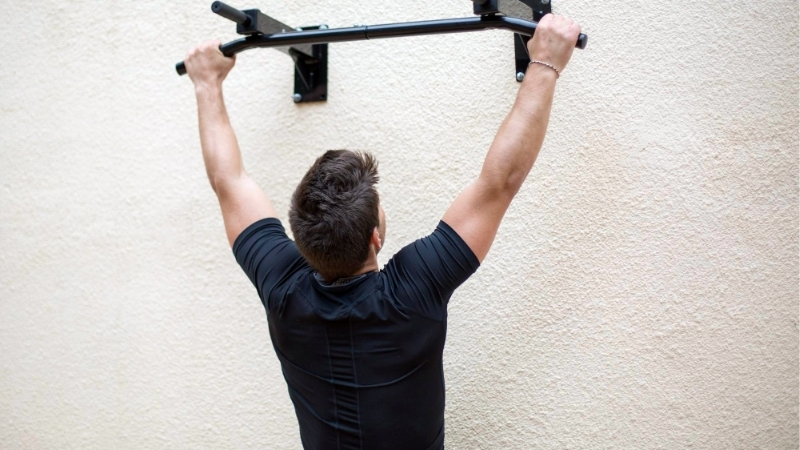
A standard bar is around 1.25 in (32 mm). Tape adds twice its thickness to the diameter, so 1.8 mm tape takes that bar to roughly 35.6 mm and 0.5 mm tape to about 33 mm. On an already thick bar, the thicker options work against you.
Smaller hands should stay at the thin end, near 0.5 mm, where grip improves without the bar growing meaningfully. Thicker tape at 1.8 mm suits larger hands and doubles as forearm training, but it reduces the reps you can hold.
Wet Grip and Surface Texture
The relevant question is how the tape behaves once you sweat, not how it feels dry. Polymer tapes with a moulded texture hold when damp, cloth hockey tape absorbs moisture and grips well until saturated, and smooth vinyl becomes slick almost immediately.
Absorbent tapes need replacing more often because they hold moisture and eventually smell. Non-absorbent polymer tapes wipe clean and last longer, which is the practical argument for them in a shared home space.
Skin Safety and Callus Management
Abrasive tape is the mistake to avoid. Skateboard grip tape is sometimes suggested for pull-up bars, and it will strip skin during any high-rep set. The correct texture holds through friction and compliance, not through grit.
Even a good tape changes where calluses form. Trimming calluses flat and keeping hands moisturised on rest days prevents the tears that otherwise interrupt a training week, and that maintenance matters more once the bar grips properly.
Fitting, Overlap and Removal
Wrap from the centre outward with a consistent overlap of about a third of the tape width, keeping tension even. Uneven overlap creates ridges that concentrate pressure and cause blisters exactly where you grip hardest.
Removal matters on a shared or rented bar. Self-fusing silicone tape bonds only to itself and peels off cleanly, while adhesive-backed tapes leave residue that needs solvent. Consider how it comes off before you put it on.
Bar Material Changes What You Need
Powder-coated steel already grips reasonably well and often needs nothing more than chalk. Painted or chromed bars are the ones that genuinely need help, because the finish becomes slick within a few reps once your palms are damp.
Foam-sleeved doorway bars are a separate case. The foam compresses flat and starts rotating on the tube, so the best grip tape for pull up bar there is usually applied after stripping the foam off entirely rather than over the top of it.
Market Context for Grip Products
Almost none of the products in this category are made for pull-up bars. They come from baseball, hockey, tennis and cycling, which is why the specifications talk about bat handles rather than bar diameter and why fitting advice has to be translated.
Below the mid tier the compromises are predictable: adhesive that fails at the ends within weeks, backing that stretches unevenly during fitting, and textures that flatten smooth after a few months of use. The tape ends are what to check first.
The genuinely useful option that has become cheap is self-fusing silicone tape, originally a plumbing product. It costs very little, leaves no residue and handles moisture well, which makes it the best answer for anyone who cannot modify the bar permanently.
Top Picks: Best Grip Tape for Pull Up Bar
These seven span polymer, cloth, overgrip and silicone, plus the one product to avoid. Each entry gives the thickness where known and the honest weakness.
| Product | Origin | Thickness | Wet Grip | Removal |
|---|---|---|---|---|
| Lizard Skins DSP Bat Grip | Baseball | 0.5, 1.1, 1.8 mm | Excellent | Adhesive residue |
| Lizard Skins DSP Bar Tape | Cycling | Around 1.8-2.5 mm | Excellent | Adhesive residue |
| Renfrew Cloth Hockey Tape | Hockey | Thin, builds in layers | Good until wet through | Peels cleanly |
| Tourna Grip Overgrip | Tennis | Very thin | Improves when damp | Peels cleanly |
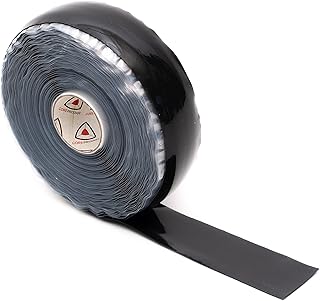
| Self-Fusing Silicone Tape | Plumbing | Around 0.5 mm per wrap | Good | No residue |
| Slip-On Foam Bar Grips | Fitness | Thick sleeve | Moderate | Fully removable |
| Skate Grip Tape | Skateboarding | Grit surface | High but abrasive | Strong adhesive |
Lizard Skins DSP Bat Grip Tape
This is the most recommended answer to the best grip tape for pull up bar question, and the choice of three thicknesses is why. The 0.5 mm version adds almost nothing to diameter while transforming a painted steel bar into one that holds when damp.
It is adhesive-backed, so removal leaves residue that needs cleaning off. The polymer texture also flattens gradually at the exact points where you grip hardest, which means rewrapping every year or so with regular use.
Lizard Skins DSP Bar Tape
The cycling version of the same polymer comes in longer lengths, which suits a wide pull-up bar where bat tape runs short. The texture and wet performance are comparable, and one roll covers both hand positions on most bars.
It is thicker than the thinnest bat tape option, so it adds more to the diameter, and the extra length is wasted if you only wrap two narrow hand positions. It also costs more per wrap than cloth alternatives.
Renfrew Cloth Hockey Tape
Cloth tape is the cheapest workable option and it builds thickness in layers, so you control the final diameter precisely. It grips very well dry and remains usable until it soaks through, and it peels off without residue.
Once saturated it becomes slick and it holds moisture afterwards, so it needs replacing more often than polymer. It also wears through at the contact points faster, which makes it a maintenance item rather than a fit-and-forget solution.
Tourna Grip Overgrip
Tennis overgrip is the thinnest option here and unusual in that it grips better as it dampens, which suits anyone whose hands sweat heavily. It adds almost nothing to the bar diameter, making it ideal for smaller hands.
It wears out quickly under the friction of hanging, considerably faster than in its intended use, and it is not designed for the point loading a bar creates. Treat it as a consumable rather than a fitting.
Self-Fusing Silicone Tape
This bonds only to itself, so it grips the bar through compression and peels away leaving nothing behind. For a rented flat, a shared bar or a doorway bar you may need to return, that is the deciding advantage.
Grip is good rather than exceptional, and it is less textured than polymer tapes so very sweaty hands may still slip. It also needs stretching during application, which takes practice to get even.
Slip-On Foam Bar Grips
Foam sleeves need no wrapping at all and come off in seconds, which suits a bar shared between users with different preferences. They are comfortable for longer hangs where thin tape can concentrate pressure.
They add substantial diameter, which makes grip harder rather than easier, and foam compresses flat within months. They can also rotate on the bar mid-set, which is unsettling during dynamic movements.
Skate Grip Tape
Included as the option to avoid. The grit surface holds extremely well and it is frequently suggested online, but it removes skin during any set beyond a few reps and leaves a strongly adhered layer that is difficult to strip off.
There is no scenario in which it is the right answer for a pull-up bar. If grip is failing, thin polymer tape or chalk solves it without the skin damage that grit-based surfaces cause.
Frequently Asked Questions
These questions come up whenever someone works out that a slick painted bar is the reason their hanging sets keep ending early.
Does grip tape replace chalk?
Mostly, and that is the main reason to fit it. A polymer tape holds when damp without reapplication, which suits circuit work where stopping to chalk between rounds breaks the rhythm. Very heavy sweaters may still want both.
How thick should the tape be?
Thin unless you have large hands. The best grip tape for pull up bar is usually around 0.5 mm, since that adds only about 1 mm to the diameter while still transforming the hold. Thicker tape trains grip at the cost of reps.
How often does it need replacing?
Polymer tape lasts a year or more with regular use before the texture flattens. Cloth tape needs replacing every few months, and tennis overgrip considerably sooner. The tape ends usually lift before the surface wears out.
Will tape damage the bar underneath?
Adhesive tapes leave residue and can lift paint when removed after a long period. Self-fusing silicone leaves nothing at all, which is the safer choice on a bar you do not own or plan to resell.
See More:
- Ankle weights best
- Best rated ankle weights
- Best home workout equipment budget
- Best resistance bands for men
Final Thoughts
The best grip tape for pull up bar is the thinnest one that solves your problem, because every layer makes the bar harder to hold. Polymer tape at 0.5 mm suits most people, self-fusing silicone suits renters, and grit-based skate tape belongs nowhere near a bar. Measure your bar diameter before choosing a thickness.




Write Your Review
No reviews yet. Be the first to share your experience!