
Key takeaways
What's inside
Best tape for pull-up bar depends on which problem you are solving. A slick bar needs tape wrapped around the steel; torn palms need tape wrapped around your hands. These are different products, and buying the wrong one solves nothing.
As an Amazon Associate we earn from qualifying purchases at no extra cost to you. Product prices and availability are accurate as of the date shown and are subject to change.
As an Amazon Associate we earn from qualifying purchases at no extra cost to you. Product prices and availability are accurate as of the date shown and are subject to change.




By Chris Parker
🛒 Best Price Today on Amazon
Prime members get fast, free shipping on everything above, plus member-only deals. New members get a 30-day free trial — cancel anytime.
Start 30-Day Prime Free Trial →See Today’s Amazon DealsTwo Problems, Two Answers for the Best Tape for Pull-Up Bar
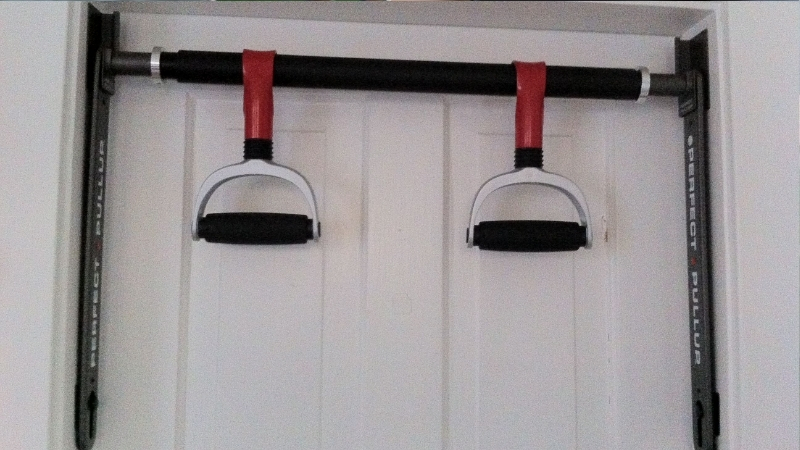
Work out which failure you are actually having before buying the best tape for pull-up bar work. If your hands slide off a smooth bar, wrap the bar. If your grip holds but the skin tears at the callus line, wrap your hands. The best tape for pull-up bar training is whichever addresses your specific failure.
Diagnosing Slip Versus Tear
Slipping happens early in a set and feels like the bar rotating in your palm. It is a friction problem caused by a painted or chromed finish plus moisture, and no amount of hand taping fixes it because the failure is at the bar surface.
Tearing happens late in high-volume sets and shows as a blister or split at the base of the fingers. That is a skin loading problem, and wrapping the bar makes it worse by increasing friction exactly where the skin is being sheared.
Bar Wraps: Materials and Behaviour
Cloth hockey tape is the cheapest bar wrap, builds thickness in layers so you control the final diameter, and peels away without residue. It grips well until it soaks through, after which it becomes slick and needs replacing.
Polymer tapes hold when damp and last a year or more, but they are adhesive-backed and leave residue. Self-fusing silicone bonds only to itself, so it comes off cleanly, which is the deciding factor on a rented or shared bar.
Hand Taping: Grips, Wraps and Single-Use Options
Athletic tape wrapped around the base of the fingers creates a protective bridge over the callus line, which is where tears begin. It is the traditional fix and costs very little, though it takes practice to apply so it does not slide.
Single-use adhesive grips and tape-and-glove hybrids remove the technique requirement entirely. They cost more per session but they position correctly every time, which matters if you only tape occasionally rather than every workout.
Callus Management Beats Any Tape
Calluses tear because they stand proud of the surrounding skin and catch. Filing them flat every week or two with a pumice stone or callus shaver prevents most tears before any tape is needed, and it costs almost nothing.
Moisturising on rest days keeps the skin flexible enough to shear rather than split. Tape is the backstop for high-volume sessions; skin maintenance is what stops the problem recurring, and no product replaces it.
Applying Each Type Without Wasting a Roll
Bar wraps go on from the centre outward with about a third of the tape width overlapping each turn, keeping tension even. Uneven overlap creates ridges that concentrate pressure exactly where you grip hardest, which produces blisters rather than preventing them.
Hand taping runs the other way: two loops around the base of the fingers, crossed diagonally through the palm and anchored at the wrist. Apply the best tape for pull-up bar sessions before chalk rather than after, because chalk stops the adhesive bonding.
Market Context for Tapes and Grips
Almost nothing in this category is made for pull-up bars. The products come from hockey, baseball, cycling, plumbing and sports medicine, which is why the packaging talks about stick handles and ankle strapping rather than bar diameter or callus lines.
Below the mid tier the compromises are predictable: adhesive that lifts at the ends within weeks, backing that stretches unevenly during application, and hand tape that loses tack as soon as it meets chalk. The tape ends are what to check first.
The genuinely useful development is single-use hand grips, which have moved from specialist competition kit to ordinary price. They remove the application skill that made traditional taping unreliable for people who only need it occasionally.
Top Picks: Best Tape for Pull-Up Bar and Hands
These seven split into bar wraps and hand protection, so match the product to the failure you diagnosed above. Each entry gives the removal behaviour and the honest weakness.
| Product | Wraps | Solves | Removal | Note |
|---|---|---|---|---|
| Renfrew Cloth Hockey Tape | Bar | Slick painted bars | Peels cleanly | Slick once soaked |
| Lizard Skins DSP Grip Tape | Bar | Grip when damp | Adhesive residue | 0.5 to 1.8 mm |
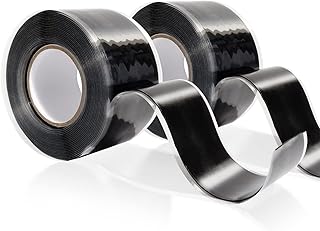
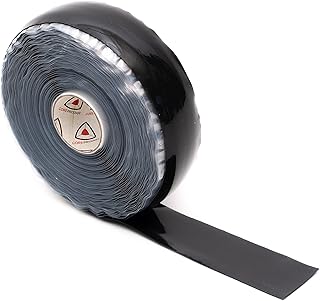
| Self-Fusing Silicone Tape | Bar | Rented or shared bars | No residue | Moderate grip |
| Mueller Athletic Tape | Hands | Callus line tears | Peels off skin | Needs technique |
| WOD and Done Tape Grips | Hands | Single-session use | Disposable | Cost per session |
| JerkFit WODies | Hands | Reusable hand cover | Washable | Bulkier feel |
| Elastic Adhesive Bandage | Hands | Thumb and wrist support | Peels off skin | Stretches out |
Renfrew Cloth Hockey Tape
The cheapest workable bar wrap, and the one that gives you the most control because you decide the number of layers and therefore the final diameter. It peels off without residue, which suits a bar you might return or resell.
Once it soaks through it becomes slippery rather than grippy, and it holds moisture afterwards. Expect to replace it every few months with regular use, which makes it a consumable rather than a fitting.
Lizard Skins DSP Grip Tape
Polymer tape in 0.5, 1.1 and 1.8 mm thicknesses holds well when damp and lasts a year or more before the texture flattens. The 0.5 mm option adds only about 1 mm to the bar diameter, which suits smaller hands.
It is adhesive-backed, so removal leaves residue that needs cleaning off, and the texture wears fastest exactly where you grip hardest. Thicker grades work against anyone already struggling with bar diameter.
Self-Fusing Silicone Tape
Originally a plumbing product, this bonds only to itself and grips the bar through compression, so it strips off leaving nothing behind. For anyone in rented accommodation or sharing a bar, that is the deciding advantage.
Grip is good rather than exceptional and the surface is less textured than polymer tape, so very sweaty hands may still slide. Application requires stretching the tape evenly, which takes a couple of attempts to get right.
Mueller Athletic Tape
The traditional hand fix. Two loops around the base of the fingers, crossed through the palm, bridge the callus line where tears start. A single roll covers many sessions, making it the cheapest hand protection available.
Application technique matters: taped too loose it slides mid-set, taped too tight it restricts the grip. It also loses tack quickly once chalk is applied, so the order of operations matters more than people expect.
WOD and Done Tape Grips
Pre-cut adhesive grips position correctly every time and stay put through a full session, which removes the technique requirement of loose tape entirely. For someone who tapes occasionally rather than daily, that reliability is worth the cost.
They are single use, so the cost per session is far higher than a roll of athletic tape. The adhesive also needs clean, dry skin to bond, which means applying before chalk rather than after.
JerkFit WODies
A reusable hand cover that combines the coverage of tape with the convenience of a grip, and it washes rather than being thrown away. It also wraps the wrist, which suits high-volume sessions where the wrist takes load.
It feels bulkier than tape and slightly reduces the direct contact with the bar, which some people find affects their grip confidence. It also needs sizing correctly, and a poor fit bunches in the palm.
Elastic Adhesive Bandage
EAB stretches with the hand, which makes it useful across the thumb and wrist where rigid tape restricts movement. It is the sports medicine option and holds better than plain athletic tape through longer sessions.
It stretches out over a session and needs reapplying, and it is more expensive per roll than standard athletic tape. Removal also pulls at the skin more, particularly around the wrist.
Frequently Asked Questions
These questions come up once someone realises that taping the bar and taping the hands are answers to opposite problems.
Should I tape the bar or my hands?
Tape the bar if your hands slide early in the set, and tape your hands if the skin tears late in high-volume work. The best tape for pull-up bar sessions is chosen by which of those two failures you actually experience.
Can I do both at once?
You can, but a taped bar increases friction and a taped hand reduces it, so the two partly cancel out. If you need both, use a thin polymer bar tape and a light hand wrap rather than heavy versions of each.
Does chalk replace hand tape?
No. Chalk improves friction, which helps with slipping but increases the shearing force that tears skin. On high-rep sessions chalk and hand tape are complementary rather than alternatives.
How do I stop calluses tearing in the first place?
File them flat every week or two and moisturise on rest days, which prevents most tears without any tape at all. Raised calluses catch on the bar, and that catching is what starts the split.
See More:
- Ankle weights best
- Best rated ankle weights
- Best home workout equipment budget
- Best resistance bands for men
Final Thoughts
The best tape for pull-up bar training is decided by the failure you are having: cloth or polymer tape on the bar for slipping, athletic tape or single-use grips on the hands for tearing, and self-fusing silicone if the bar is not yours to modify. File your calluses flat before you buy any of it.



Write Your Review
No reviews yet. Be the first to share your experience!