
Our Top Picks
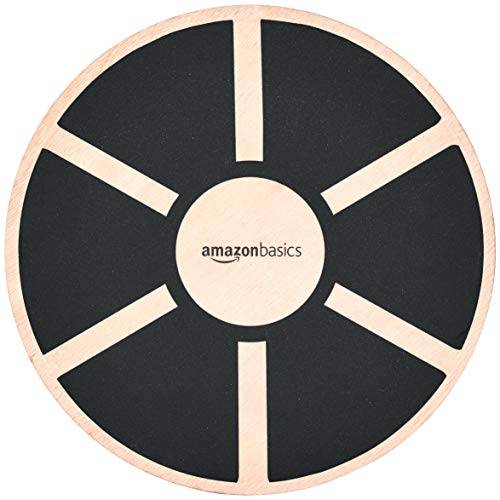 Amazon Basics Wood Wobble Balance Trainer Board15.75 x 15.75 x 3.15 inches15.75 x 15.75 x 3.15 inches3.44 PoundsCheck on Amazon
 GoCube GoBalance Balance Board Sports EditionGoBalance Sport-Play18.1 x 14.2 x 2.4 inches8.4 PoundsCheck on Amazon
Best Balance Boards for Stability and Core Training
The best balance boards for most people are a medium-width rocker board for controlled, low-risk practice or a roller board for a greater challenge; choose by the movement you want, your experience, available space, and the board’s weight limit—not by appearance alone.
Choose the board design that fits your goal
Balance boards differ mainly in how they move. A fixed pivot makes movement easier to predict, while a loose roller adds motion in more directions and demands more control. The hardest design is not automatically the most useful: beginners often get more out of a board they can use consistently and safely.
Amazon Basics Wood Wobble Balance Trainer Board, Slip Resistant, for Exercise and Core Strength, 265 lb Weight Capacity, Black
Chosen because it specifies Slip Resistant and for Exercise and Core Strength.
View on Amazon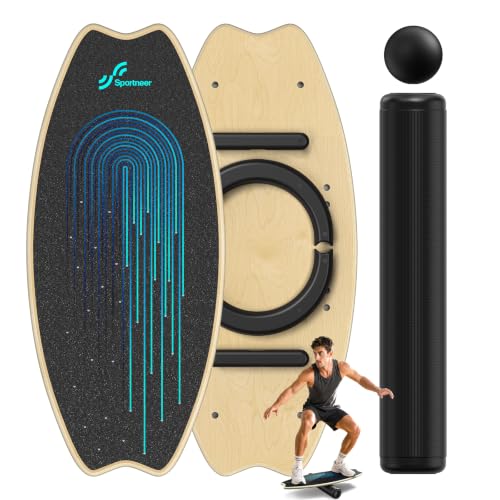
Sportneer Balance Board - 7 Mode Wobble Board with Roller & Ball
Chosen because it specifies 7 Mode Wobble Board with Roller & Ball.
View on AmazonGoCube GoBalance Balance Board Sports Edition, Black
Chosen because it specifies Black.
View on Amazon
GIBBON SlackBoard Plus - 2-in-1 Slackline Balance Board for Adults - Workout Equipment Home Gym Training - Slack Board Wooden Balance Trainer - Standing Desk Exercise, Yoga, Agility, Pilates, Core
Chosen because it specifies 2-in-1 Slackline Balance Board for Adults and Workout Equipment Home Gym Training.
View on Amazon- Rocker boards: A deck pivots around a fixed base, usually from side to side or front to back. This predictable arc suits beginners, warm-ups, and compact home use. A single-direction rocker is generally easier than one that tilts in every direction.
- Wobble boards: A circular deck sits on a rounded central base and can tilt in multiple directions. They are compact and useful for small, controlled weight shifts, but the short deck may feel cramped for larger feet or a wide stance.
- Roller boards: A separate cylinder moves beneath the deck. The board can travel as the user shifts, so it requires more coordination and clear floor space. Some models add end stops to limit how far the deck can slide.
- Inflatable balance discs: Air-filled cushions create a softer, less predictable surface. They are easy to store and can be used seated or standing, but they do not feel like a rigid board and are not a substitute for a full-length roller setup.
Compare the main types before you buy
The ranges below are practical category-level examples, not specifications for every model. Always verify the exact manufacturer’s dimensions, materials, and maximum user weight before purchasing.
| Type | Typical size or setup | Common materials | Typical capacity range | Difficulty | Best fit |
|---|---|---|---|---|---|
| Rocker board | About 70–80 × 25–35 cm (28–31 × 10–14 in); fixed pivot | Plywood or molded plastic | About 100–150 kg (220–330 lb) | Beginner to intermediate | Predictable practice and limited floor space |
| Wobble board | About 35–40 cm (14–16 in) diameter; central dome | Plastic, wood, or composite | About 100–150 kg (220–330 lb) | Beginner to intermediate | Compact multidirectional movement |
| Roller board | Deck about 75–85 × 30–35 cm (30–33 × 12–14 in), plus separate roller | Wood deck; plastic or rubber roller | Often about 100–150 kg (220–330 lb) | Intermediate to advanced | Users ready for moving, less predictable balance |
| Inflatable disc | About 30–35 cm (12–14 in) diameter | Inflatable PVC or similar material | Varies; check model specification | Beginner to intermediate | Easy storage and gentle, low-height balance work |
Capacity ranges are not a safety guarantee. The stated maximum may assume even loading and proper use, and it does not tell you whether a narrow deck will feel stable under your stance. Leave a margin below the published limit, especially if exercises involve dynamic movement, and do not use a board that is cracked, loose, or visibly deformed.
Best picks by situation
| Your situation | Best starting choice | Why | What to check |
|---|---|---|---|
| New to balance training | Wide, fixed-pivot rocker | Its motion is easier to anticipate and the larger deck gives room to adjust foot position. | Non-slip top, stable base, and a manageable tilt range |
| Small apartment or shared space | Wobble board | It stores easily and does not need a separate roller or long travel area. | Deck diameter, base noise, and a floor-safe underside |
| Already comfortable on a rocker | Roller board with end stops | The moving roller increases the balance challenge while end stops can limit runaway travel. | Roller material, end-stop design, and clear floor space |
| Low-cost, occasional use | Basic plastic rocker or wobble board | Simple construction can be adequate for light, controlled sessions. | Weight limit, molded seams, and grip when shoes or socks are used |
| Frequent training or heavier user | Sturdy wood or reinforced composite model | A rigid deck and well-fitted pivot are less likely to feel flexy under repeated loading. | Published capacity, fasteners, warranty terms, and replacement parts |
Price varies by size, materials, and accessories. Basic rocker and wobble boards commonly fall in a general market range of roughly $20–$60; roller setups and more substantial decks often run around $50–$150 or more. Treat these as broad shopping ranges, not current quotes for a particular model.
Grip, construction, and durability matter more than extras
A textured or grippy deck helps prevent feet from sliding, but texture should not be so abrasive that it is uncomfortable during controlled practice. If you train in socks, check whether the surface is designed to grip socks or intended for shoes. A smooth wood deck can be attractive and sturdy, yet may be slippery when dusty or damp.
Look closely at how the pivot attaches to the deck. A rocker’s base should sit flush and feel secure; a roller setup should have a deck that does not split or flex excessively and a roller that is not visibly warped. On wood, inspect edges and seams for splinters. On plastic, check for thin spots, cracks, and sharp molding seams. End stops are useful on some roller boards, but they do not make an unstable setup risk-free.
With regular use, grip tape or surface texture may wear smooth first. On roller designs, the roller can develop scuffs or uneven wear, while loose fasteners and squeaks may signal that a joint needs inspection. Wipe sweat and dust away with a damp cloth and mild soap, then dry the board fully. Avoid soaking wood, harsh solvents, and storing any board in a hot car or damp area. Recheck screws and the pivot periodically, following the manufacturer’s instructions.
Start at the right difficulty
For a first session, place the board on a dry, level, non-slip floor with open space around it. Stand near a wall or sturdy counter, mount one foot at a time, and keep your knees softly bent. Begin with short, controlled shifts rather than trying to hold still or perform deep squats. If the board moves beyond your control, step off and choose a more stable design or reduce the range of motion.
Progress one variable at a time: increase practice duration, reduce hand support, or try a more mobile board—not all three at once. A roller board is best approached only after you can control a rocker or wobble board. Do not use a balance board on stairs, near sharp furniture, or while carrying weights until you can manage the basic movement reliably. If you have an injury, recurring dizziness, or a condition that affects balance, ask a qualified health professional whether this type of training is appropriate for you.
For most buyers, a wide rocker with a grippy deck offers the best balance of accessibility, control, and storage. Choose a wobble board when compact, multidirectional movement matters most, and a roller board when you specifically want a more demanding skill challenge and have room to use it safely.


Write Your Review
No reviews yet. Be the first to share your experience!