
Key takeaways
What's inside
Best lever weightlifting belt options split at one number: 10mm or 13mm. That choice decides how rigid the belt is, how long it takes to break in, and whether it is legal in your federation. This guide covers both thicknesses, how the lever mechanism actually works, how to size one correctly, and six belts genuinely worth buying.
As an Amazon Associate we earn from qualifying purchases at no extra cost to you. Product prices and availability are accurate as of the date shown and are subject to change.
As an Amazon Associate we earn from qualifying purchases at no extra cost to you. Product prices and availability are accurate as of the date shown and are subject to change.


By Chris Parker
🛒 Best Price Today on Amazon
Prime members get fast, free shipping on everything above, plus member-only deals. New members get a 30-day free trial — cancel anytime.
Start 30-Day Prime Free Trial →See Today’s Amazon DealsHow to Choose a Lever Belt
The best lever weightlifting belt trades adjustability for speed and consistent tightness, which is exactly the right trade for maximal singles. The four criteria below explain what separates the best lever weightlifting belt options and why sizing matters more here than on any other belt.
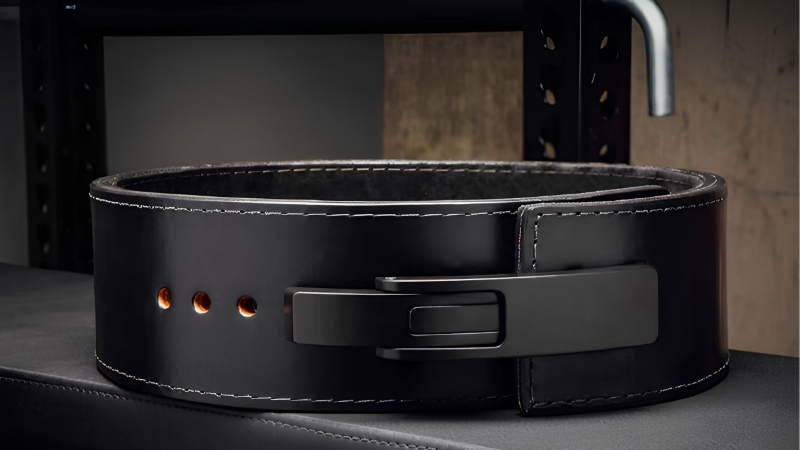
Thickness: 10mm Versus 13mm
Ten millimetres is the practical choice for most lifters buying the best lever weightlifting belt. It gives substantial rigidity, breaks in within a few weeks, and stays comfortable enough to wear across a full session of squats, deadlifts and accessory work without needing to loosen it constantly.
Thirteen millimetres is the competition standard for maximal lifting, offering more feedback to brace against. It also takes months to break in, feels punishing during high-rep work, and is genuinely uncomfortable to sit down in, which surprises most first-time buyers.
Width is fixed at 4 in (10 cm) across essentially every belt in this category, since that is the maximum permitted under IPF and IWF rules. The variable you are actually choosing between is thickness, and it is worth deciding before you compare brands.
How the Lever Actually Works
The lever on the best lever weightlifting belt is bolted to the belt at a fixed position and flips closed to a preset tightness. That means every set is braced identically, which is the main advantage over a prong belt where you guess between the second and third hole each time.
The trade is that changing the setting requires a screwdriver to unbolt and reposition the lever. That is fine if the belt is yours alone and your weight is stable, but it is a real irritation if two people share it or you cycle between bulking and cutting phases.
Most belts ship with the lever bolted in a middle position, so expect to adjust it once on arrival. Do that with the belt on a flat surface and check the screws again after a few sessions, since they commonly work loose during break-in.
Leather Quality, Layers and Break-In
Good lever belts use multiple bonded layers of full-grain leather rather than one thick piece or bonded scrap. A suede lining is common and grips the shirt well, which keeps the belt from riding upward during a squat setup.
Expect a genuine break-in period: two to four weeks for a 10mm belt and considerably longer for a 13mm one. During that time the belt fights your hip hinge and feels far too rigid to be useful. That is entirely normal, and rolling the belt or standing on it accelerates the process safely without damaging the leather.
Footprint and Storage Between Sessions
A 13mm belt will not roll tightly and needs a flat hanging spot with around 44 in (112 cm) of vertical clearance, or else a shelf it can lie flat on. Stored folded, thick leather takes a permanent crease that will not come out.
Leather also absorbs sweat, so the belt needs to hang and dry rather than living in a closed gym bag. Plan a hook before it arrives, and keep it away from radiators, since heat dries leather out and cracks the surface over a couple of years.
Top Picks: Best Lever Weightlifting Belt Options
The six best lever weightlifting belt options below cover 10mm and 13mm across a range of prices. The table lists the specs that decide the purchase, and each write-up names a genuine drawback so you can weigh rigidity against comfort and break-in time honestly.
| Belt | Thickness | Width | Lining | Price tier |
|---|---|---|---|---|
| Gymreapers Lever Belt | 10mm | 4 in (10 cm) | Suede | Mid |
| Iron Bull Strength Lever Belt | 10mm | 4 in (10 cm) | Suede | Mid |
| DMoose Lever Belt | 10mm | 4 in (10 cm) | Suede | Budget |
| Steel Sweat Lever Belt | 10mm | 4 in (10 cm) | Suede | Budget to mid |
| Inzer Forever Lever Belt | 13mm | 4 in (10 cm) | Leather | Premium |
| Rogue Faded Lever Belt | 10mm or 13mm | 4 in (10 cm) | Suede | Premium |
Gymreapers Lever Belt
The default recommendation at the mid tier. Ten-millimetre construction with a suede lining that grips the shirt, a solid lever mechanism, and a break-in period short enough that the belt is comfortable within a month of regular use.
The lever screws are the weak point and can work loose over months, so check them periodically and apply thread lock if they keep backing out on you. Sizing also runs specific, so measure at the navel rather than using trouser size before ordering.
Iron Bull Strength Lever Belt
Similar specification with slightly heavier hardware on the lever, which is the component most likely to fail on any lever belt. The leather is consistent and the suede lining stops the belt riding upward during a low-bar squat setup.
It costs more than the budget options for what is functionally the same 10mm belt, and the break-in period is on the longer side for a 10mm. The lever position also needs unbolting to change, as with every belt in this category.
DMoose Lever Belt
The budget entry, and reasonable value for someone moving from a nylon belt to their first lever belt. Ten millimetres of leather with a working lever mechanism delivers most of the benefit at a fraction of the premium cost.
Leather quality is the compromise and the belt softens sooner than the mid-tier options under heavy use. The lever hardware is also lighter gauge, which makes periodic screw checks more important rather than optional.
Steel Sweat Lever Belt
Sits between budget and mid on both price and quality, with reasonable leather and a lever that holds its setting well. For a lifter who wants a 10mm belt without premium spend, this is a sensible middle path.
Availability in specific sizes is inconsistent, which is genuinely frustrating when belt sizing is as narrow as it is in this category. Finish quality also varies between units, with edge stitching being the most common source of complaints.
Inzer Forever Lever Belt
The 13mm competition standard, and the belt many powerlifters keep for decades. The rigidity at maximal loads is genuinely different from a 10mm belt, giving far more to brace against at the bottom of a heavy squat.
Break-in takes months rather than weeks and the belt is uncomfortable to sit in throughout that period. It is also unnecessary for anyone not lifting near maximal, and the thickness makes it unsuitable for any high-rep or conditioning work.
Rogue Faded Lever Belt
Available in both 10mm and 13mm, with the specification published clearly and a well-machined lever. For someone who wants to choose thickness deliberately rather than accept whatever a brand offers, that choice is the main draw here.
Pricing is premium and stock on specific sizes and thicknesses comes and goes. Shipping costs on a heavy leather belt are also significant, which pushes the total above what the mid-tier options ask for a functionally similar 10mm belt.
Frequently Asked Questions
These four questions cover what people most want settled about the best lever weightlifting belt before buying — thickness choice, sizing, competition legality and whether a lever belt suits general training as well as maximal lifting.
Should I buy 10mm or 13mm?
Ten millimetres for almost everyone. It gives most of the rigidity, breaks in quickly and stays wearable through a whole session. Choose 13mm only if you compete in powerlifting and lift near maximal regularly enough to justify the break-in and discomfort.
How do I size a lever belt?
Measure around your navel with a tape, not your trouser size, since the two commonly differ by two inches or more. Sizing is critical here because the lever position is fixed, so a belt slightly too large cannot be tightened at the buckle.
Is a lever belt legal in competition?
Lever belts are permitted under IPF rules within thickness and width limits, but approval depends on the specific model appearing on the federation’s current list. Check that list directly before buying a belt intended for a sanctioned meet.
Can I use the best lever weightlifting belt for general training?
A 10mm belt works fine for general strength training, though it is more belt than most accessory work needs. A 13mm is too rigid for anything but heavy compound lifting, which is why many people own a nylon belt alongside it.
See More:
- Ankle weights best
- Best rated ankle weights
- Best home workout equipment budget
- Best resistance bands for men
Final Thoughts
The best lever weightlifting belt for most lifters is a 10mm suede-lined belt from a mid-tier brand, sized by a tape measure at the navel rather than by trouser size. Choose 13mm only if you compete, check the lever screws periodically, and hang the belt to dry rather than folding it into a bag.


Write Your Review
No reviews yet. Be the first to share your experience!