
Key takeaways
What's inside
Best weightlifting belt for women comes down to fit as much as support: a shorter torso means a tall, stiff belt can dig into the ribs and hips, so width, thickness and sizing matter more than for anyone else. Get those right and a belt gives your core something firm to brace against on squats and deadlifts.
As an Amazon Associate we earn from qualifying purchases at no extra cost to you. Product prices and availability are accurate as of the date shown and are subject to change.
By Chris Parker
🛒 Best Price Today on Amazon
Prime members get fast, free shipping on everything above, plus member-only deals. New members get a 30-day free trial — cancel anytime.
Start 30-Day Prime Free Trial →See Today’s Amazon DealsHow to Choose the Right Best Weightlifting Belt for Women
A belt works by giving your abs something to push against, so it must sit firmly without pinching a shorter torso. The best weightlifting belt for women balances width, thickness and closure against your own measurements, which is why fit leads every other feature.
Width, Thickness and a Shorter Torso
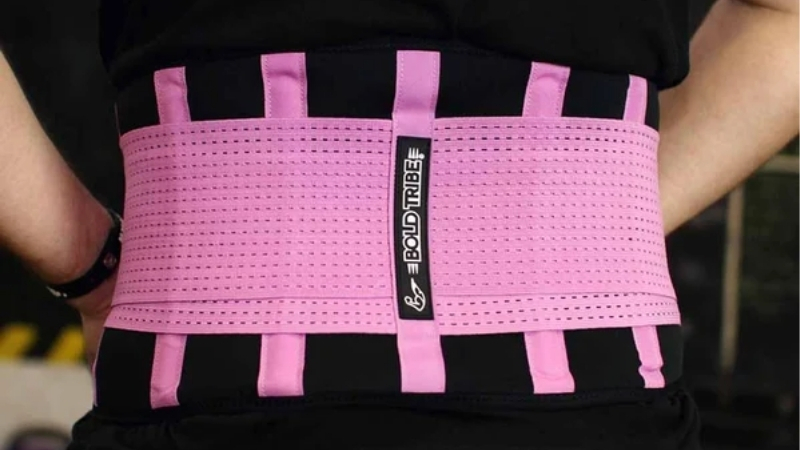
Width is the fit issue women notice first. A uniform 4 in (102 mm) belt is the competition standard, but on a shorter torso it can jam into the ribs and hip bones. A 3 in (76 mm) belt, or a tapered belt that is narrower at the front, often sits far more comfortably.
Thickness sets the support level. Nylon belts around 5 mm flex and move well for dynamic lifts; leather belts at 6 to 10 mm are stiffer and give more rigid support for heavy, slow pulls. More support is not automatically better, since a very stiff belt is harder to breathe and brace against until you are used to it.
The trade-off is comfort versus rigidity. For most general strength training, a 4 in nylon or a 3 in belt gives plenty of support with the best comfort; for near-maximal powerlifting, a thicker leather belt earns its stiffness. Match the belt to how heavy and how often you actually lift.
Closure: Velcro, Prong or Lever
Closures trade speed for rigidity. Velcro and quick-lock nylon belts go on and off in seconds and adjust infinitely, ideal for circuits and Olympic-style work. Single or double-prong leather buckles are secure and classic but slower to change between sets.
Lever belts lock the tightest and release instantly, but the tightness is fixed until you unscrew and move the lever, which is fiddly if you share the belt or change clothing layers. For most women starting out, a quick-lock nylon or a prong leather belt is the easiest to live with.
Sizing and Fit for Your Body
Sizing is where returns happen, so measure carefully. Belts are sized by the circumference around your navel, not your hip or trouser size, since that is where the belt sits when you brace. Good belts run from about XS at 23 in (58 cm) up through XXL, so a smaller waist is well covered.
Because this is a wearable rather than a machine, the space to measure is your own body: check your navel measurement against the size chart before ordering, and confirm the belt’s height will not overlap your ribs and hips. A belt one size off is uncomfortable enough that you will stop wearing it, so this step is worth the extra minute.
Material, Durability and Value
Nylon belts are light, comfortable and often the best value, with many offering a lifetime warranty; leather belts cost more, last for years and stiffen with use for heavier support. Neoprene belts are the softest and cheapest but give the least rigid brace, suiting light training more than heavy pulls.
On value, a good nylon belt covers most home lifters for years, while a leather belt is the buy-it-once option for those who lift heavy. A belt supports bracing but is not a fix for back pain, so if you have a back issue, see a doctor or physical therapist rather than relying on a belt. For context, the WHO physical activity guidelines suggest about two muscle-strengthening sessions a week, which belted or unbelted training both count toward.
Top Picks for the Best Weightlifting Belt for Women
These six are the best weightlifting belt for women across styles, from comfortable quick-lock nylon to buy-it-once leather and petite-friendly 3 in profiles. Match the width and closure to your torso and lifts. All are widely available on Amazon.
| Belt | Material | Width | Best for |
|---|---|---|---|
| Element 26 Self-Locking | Nylon, 5 mm | 4 in (102 mm) | Best overall |
| 2POOD 3-Inch Belt | Nylon | 3 in (76 mm) | Small waists, short torso |
| Gymreapers Quick Lock | Nylon | 4 in (102 mm) | Most support (nylon) |
| Dark Iron Fitness Leather | Leather | 4 in (102 mm) | Leather value |
| Element 26 Hybrid Leather | Leather + nylon, 6 mm | 4 in (102 mm) | Heavy lifting |
| DMoose Neoprene | Neoprene | Tapered | Beginners, comfort |
Element 26 Self-Locking Weightlifting Belt
The best all-rounder for women: a 4 in (102 mm), roughly 5 mm nylon belt with a steel self-locking buckle, an unusually wide XS to XXL range from about 23 in (58 cm), and a comfortable edge that testers say does not dig into the skin, all with a lifetime warranty and colours including pink.
As a nylon belt it flexes more than leather, so serious powerlifters may want stiffer support for maxes, and the velcro can wear with heavy chalk use. As the most comfortable, versatile pick for most women, it leads. Best overall.
2POOD 3-Inch Weightlifting Belt
The petite-friendly pick: a 3 in (76 mm) nylon belt designed for small waists and shorter torsos, where a full 4 in belt would ride up into the ribs. The narrower profile keeps support without the pinch, and it comes in many designs.
The 3 in width gives slightly less surface to brace against than a 4 in belt, so very heavy lifters may prefer more, and it is a mid-price option. As the best fit for a short torso or small waist, it stands out. Best for petite lifters.
Gymreapers Quick Lock Weightlifting Belt
A hugely popular 4 in (102 mm) nylon belt with a velcro and quick-lock closure, an XS to XXL range fitting roughly 23 to 49 in (58 to 124 cm), a lifetime replacement guarantee and colours including pink, offering firm, even support that is easy to adjust.
The quick-lock can take a moment longer to fully release than a plain velcro belt, and like all nylon it flexes more than leather. As the most supportive nylon pick here, it delivers. Best for maximum nylon support.
Dark Iron Fitness Leather Belt
A genuine-leather 4 in (102 mm) belt that is popular with women on Amazon, offering the stiffer support of leather with an adjustable buckle and a lifetime guarantee, a step up in rigidity from nylon for heavier squats and deadlifts.
Leather needs a short break-in to soften, and a prong buckle changes slower than a quick-lock. As an affordable route into a leather belt, it works well. Best for leather support on a budget.
Element 26 Hybrid Leather Lifting Belt
A 6 mm belt combining a leather core with a nylon wrap and a steel self-locking buckle plus a velcro strap, sized XS to XL from about 23 in (58 cm), giving stiffer leather support with the quick, adjustable convenience of nylon and a lifetime warranty.
It costs more than the pure-nylon belts and the extra stiffness takes adjusting to. As the pick for women who lift heavy and want firm support, it excels. Best for heavy lifting.
DMoose Neoprene Weightlifting Belt
A soft, flexible neoprene belt, often tapered and the most budget-friendly here, that is comfortable straight out of the box for lighter training, warm-ups and general gym work where a rigid brace is not required.
Neoprene gives the least rigid support, so it is not the pick for near-maximal squats or deadlifts. As the most comfortable beginner belt on a budget, it is a fine start. Best for beginners and comfort.
Frequently Asked Questions
Common questions about choosing the best weightlifting belt for women.
Do women need a different belt from men?
Not a separate category, but fit matters more. A shorter torso means a 4 in belt can dig into the ribs and hips, so many women prefer a 3 in or tapered belt and a size that starts small. The support principle is identical; the comfortable fit is what differs.
How do I measure for a lifting belt?
Measure around your navel, where the belt actually sits when you brace, not your hip or trouser size. Compare that number to the brand’s size chart, since sizing varies. A belt one size off is uncomfortable enough that most people stop wearing it.
Should I get 3-inch or 4-inch?
A 4 in (102 mm) belt gives more surface to brace against and is the competition standard; a 3 in (76 mm) belt suits shorter torsos and small waists where a 4 in rides into the ribs. Choose by comfort against your own torso length.
Does a belt fix or prevent back pain?
No. A belt gives your core something firm to brace against and can help you lift with better trunk tension, but it is not a treatment for back pain. If you have a back issue, see a doctor or physical therapist rather than relying on a belt.
See More:
- Best flooring for home gym over concrete
- Best collapsible exercise bike
- Best fold away exercise bike
- Best exercise bike folding
- Best home upright exercise bike
Final Thoughts
The best weightlifting belt for women is the one that supports your brace without fighting your torso, so prioritise width and sizing over everything else: a 4 in nylon belt for most, a 3 in or tapered belt for a shorter torso, and leather when you lift heavy. Measure at the navel, check the chart, and the best weightlifting belt for women becomes a belt you actually wear.
As an Amazon Associate we earn from qualifying purchases at no extra cost to you. Product prices and availability are accurate as of the date shown and are subject to change.




Write Your Review
No reviews yet. Be the first to share your experience!