
Key takeaways
What's inside
Best home use rowing machine choices are usually made on resistance type and regretted on parts availability. A rower used four times a week wears in three places, and whether you can buy replacements for those three decides how long the machine stays in service. Parts availability outlasts every feature list.
As an Amazon Associate we earn from qualifying purchases at no extra cost to you. Product prices and availability are accurate as of the date shown and are subject to change.
As an Amazon Associate we earn from qualifying purchases at no extra cost to you. Product prices and availability are accurate as of the date shown and are subject to change.


By Chris Parker
🛒 Best Price Today on Amazon
Prime members get fast, free shipping on everything above, plus member-only deals. New members get a 30-day free trial — cancel anytime.
Start 30-Day Prime Free Trial →See Today’s Amazon DealsHow to Choose the Best Home Use Rowing Machine
Daily use changes what the best home use rowing machine actually needs. Resistance type matters far less than the seat rollers, the drive system and whether the monitor can be replaced when it fails. Those three components carry every stroke you take, and only one of them ever appears on a product listing.
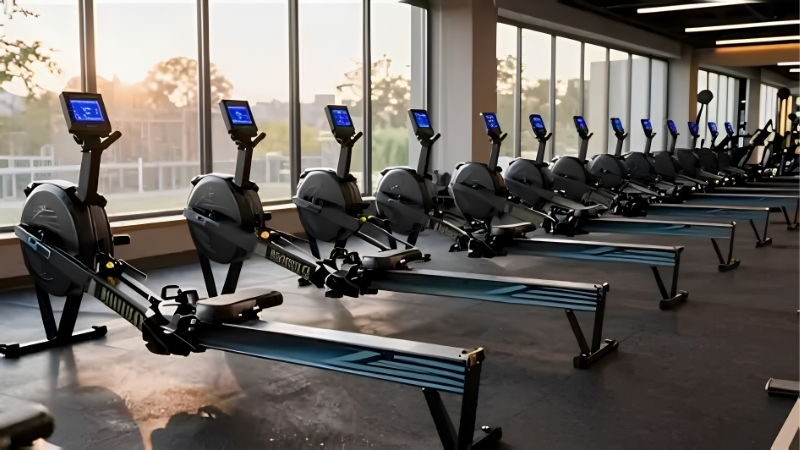
Seat Rollers, Rails and Where Wear Shows
The seat rollers are the first thing to go on any rower, because they carry your body weight across the rail thousands of times per session. Sealed bearings last far longer than plain plastic wheels, and a gritty or noisy seat is usually rollers rather than the rail itself. Sealed bearings are worth paying for here.
Rail material matters too. Aluminium rails stay smooth and are easy to wipe down; painted steel wears through at the contact points over a couple of years. Wipe the rail after sessions, since sweat is what corrodes it, and check whether replacement rollers can be bought separately. Sweat is what corrodes a rail over time.
Chain, Belt and Monitor Longevity
On the best home use rowing machine, chain drives need occasional oiling and last effectively forever; belt drives run quieter and eventually stretch or fray. Neither is wrong, but a chain suits a garage and a belt suits a flat. Ask which parts are serviceable before deciding which drive system you prefer. Chains suit garages, belts suit flats.
Monitors are the component people forget. Battery-powered units are simple and replaceable; integrated screens tied to an app can become useless when support ends. For a machine you intend to keep for a decade, a plain replaceable monitor is worth more than a large display. Screens age faster than frames do.
Footprint, Storage and Floor Protection
Machines in this category run around 80 x 20 in (203 x 51 cm) in use, plus roughly 2 ft (60 cm) of clearance behind for the seat and handle. That total is what rules rowers out of spare bedrooms, so measure the room and the storage corner before ordering anything. Clearance behind is the measurement people skip.
Rubber matting of 1/2 in (12 mm) under the frame protects flooring from the feet, stops the machine creeping on laminate and cuts the noise reaching the room below. It also gives the rail a consistent, level surface, which reduces the wear that an uneven floor causes. Level frames wear far more slowly.
Top Picks: Rowers That Survive Daily Use
The six below are chosen for how they age rather than how they feel in the first week. Parts availability separates them more than resistance type does. Each entry names the component most likely to need attention, since every machine here has one that eventually will. Spares decide the best home use rowing machine.
| Rower | Drive | Parts | Best for |
|---|---|---|---|
| Concept2 RowErg | Chain | Excellent | Decade of use |
| Sunny SF-RW5515 | Belt | Limited | Budget daily |
| YOSUDA Magnetic | Belt | Limited | Sturdier frame |
| MERACH Rower | Belt | Limited | App users |
| NordicTrack RW200 | Belt | Brand only | Guided sessions |
| Rubber matting | None | Not applicable | Under the frame |
Concept2 RowErg
Nothing else here comes close on longevity. Parts are available years after purchase, the chain is serviceable with a rag and some oil, and the monitor runs on standard batteries rather than a proprietary screen tied to a subscription that may not exist in five years. Standard batteries are a quiet advantage.
It is an air rower, so it is the loudest machine in this list and a poor fit for a flat with thin floors. It also costs several times the budget options. If noise is your binding constraint, a magnetic machine is the more sensible purchase. Noise is the trade for that longevity. Garages suit it better than flats do.
Sunny SF-RW5515
The budget magnetic rower covers daily general fitness quietly and folds upright between sessions. For someone rowing three or four times a week at steady intensity, it does the job without a subscription, an account or a screen you stop looking at after a month. Folding keeps the room usable between sessions.
Seat rollers and the monitor are the components that show wear first, and spare parts are limited compared with the premium brands. The rail is short for taller users. Check the stated height and weight limits before ordering, since those two cause most disappointment. Spares are limited at this price point.
YOSUDA Magnetic Rower
YOSUDA sits above the cheapest machines on frame weight, which shows in stability at pace and in how the rail feels after a year. For a household where more than one person rows, that extra steel is worth the difference in price and the extra effort moving it. Frame weight is what steadies a rail. Two rowers in a household justify it.
Assembly takes longer than the instructions suggest, and the extra frame weight makes it harder to carry upstairs alone. The console is functional rather than detailed. Plan the delivery route and the storage corner before it arrives rather than working it out on the day. Two people make delivery far easier.
MERACH Magnetic Rower
MERACH builds around app connectivity at mid-range prices, with a folding frame and a wider resistance range than the entry-level machines. For structured sessions without a large monthly fee, that combination is the reason it appears on so many shortlists. App access costs less than the big brands.
The app is central, so check what the machine does with the phone switched off before buying. Model names in the range are similar and the frames differ more than the listings suggest, so confirm the exact specification and the folded dimensions before ordering. Offline behaviour is worth checking first.
NordicTrack RW200
Guided workouts through iFit genuinely help some people stay consistent, and the frame folds upright, so it suits a spare room better than the specification sheet implies. If structure is what keeps you rowing, that is worth more than another two resistance levels. Structure keeps people rowing consistently.
The subscription is the catch, and the integrated screen is exactly the kind of component that ages badly. Treat the ongoing cost as part of the purchase, and check what the machine does offline, since that is what you actually own long term. Budget the subscription as part of the price. Offline use is what you own outright.
Rubber Gym Matting
Matting is the cheapest way to extend the life of any rower. It levels the frame, stops the feet marking laminate, keeps the machine from creeping during hard intervals, and takes a meaningful amount of noise out of the floor below in a flat or a shared house. It also stops the frame creeping at pace.
Mats are heavy to carry alone and smell strongly for the first fortnight after unwrapping. Air them outside before laying them down, and measure the frame footprint plus clearance first, since cutting thick rubber at home rarely gives a straight edge on the first attempt. Measure the footprint plus clearance first.
Frequently Asked Questions
Four questions cover most of what people ask before committing to a machine they intend to use several times a week. They are about wear, parts and maintenance rather than resistance type, since those decide whether the rower reaches its third year. Wear answers most of them, not resistance. Rollers and monitors fail first here.
What wears out first on a home use rowing machine?
The seat rollers, almost always, followed by the monitor and then the drive belt. A gritty or noisy seat is usually rollers rather than the rail. Check whether replacements are sold separately before buying, since a rower with no available parts is disposable. That is the best home use rowing machine test.
Chain or belt drive on a home use rowing machine?
Chain lasts longer and needs occasional oiling; belt runs quieter and eventually stretches. In a flat, belt is the sensible choice for noise reasons alone. In a garage where noise does not matter, a chain will outlast almost everything else on the machine. Neither drive is wrong on its own. Match it to where the machine lives.
How do I maintain the best home use rowing machine?
Wipe the rail and the seat after every session, since sweat corrodes both. Check bolts every few months, oil a chain if the manual says so, and keep the machine on a level surface. That routine costs minutes and adds years to the frame. Level flooring reduces rail wear noticeably. Loose bolts show up as new noises.
How often should I use a home use rowing machine?
Public guidance is 150 to 300 minutes of moderate activity per week plus two muscle-strengthening days (WHO, 2020), and rowing covers much of the aerobic side. Speak to a doctor before starting a new programme, particularly with existing back, knee or heart concerns. Technique matters more than resistance early.
See More:
Final Thoughts
The best home use rowing machine is the one whose seat rollers, drive and monitor can all be replaced when they wear. Check parts availability before resistance type, wipe the rail after sessions, and put matting underneath so the frame sits level from the first stroke. Then wipe it down after every session.


Write Your Review
No reviews yet. Be the first to share your experience!