
Key takeaways
-
Best Overall: MaxiClimber XL-2000
-
Best Premium: VersaClimber SM Magnetic
-
Best Connected Training: CLMBR Connected 02
-
Best Budget: MaxiClimber Vertical Climber
-
Best Folding Alternative: RELIFE Vertical Climber
-
Best Heavy-Duty Value: Body-Solid Best Fitness BFMC10B
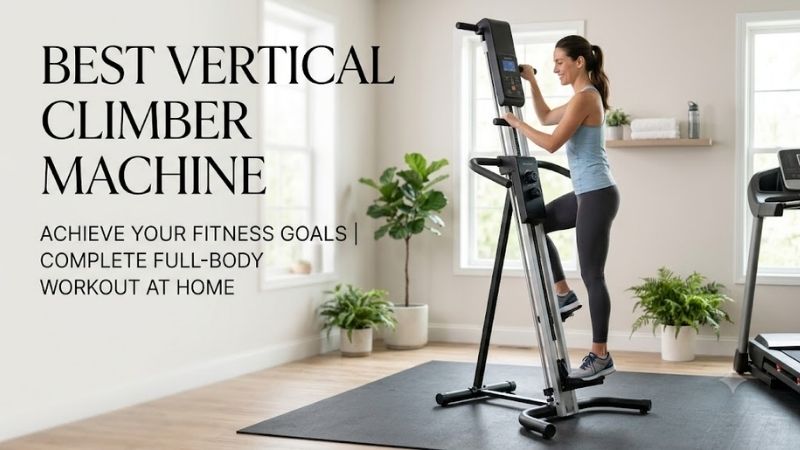
Quick Verdict: Best Vertical Climber Machines
Find the best vertical climber machine for home workouts. Compare six models for resistance, climbing motion, stability, adjustability, storage, and value.
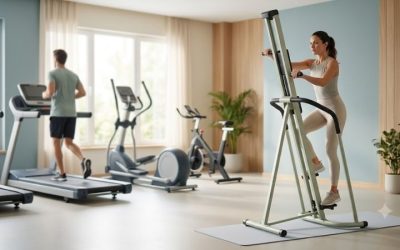
The best vertical climber machine should provide a coordinated climbing motion, stable foot support, adjustable hand positions, and enough clearance for comfortable exercise. Unlike conventional stair steppers, vertical climbers combine alternating leg movements with upper-body pulling or pushing. These six machines range from affordable bodyweight climbers to premium resistance-controlled equipment for serious home conditioning.
Quick Verdict: Best Vertical Climber Machines
The MaxiClimber XL-2000 is our best overall choice for home users who want adjustable resistance, a folding frame, and a relatively accessible alternative to commercial climbing machines.
For serious training, the VersaClimber SM Magnetic provides a more sophisticated resistance system. Buyers prioritizing affordability should consider the original MaxiClimber Vertical Climber or RELIFE Vertical Climber.
Our recommendations:
-
Best Overall: MaxiClimber XL-2000
-
Best Premium: VersaClimber SM Magnetic
-
Best Connected Training: CLMBR Connected 02
-
Best Budget: MaxiClimber Vertical Climber
-
Best Folding Alternative: RELIFE Vertical Climber
-
Best Heavy-Duty Value: Body-Solid Best Fitness BFMC10B
Quick Verdict: Best Vertical Climber Machines
Quick Comparison Table
| Product | Best For | Key Specifications | Main Advantage | Trade-Off |
|---|---|---|---|---|
| MaxiClimber XL-2000 | Overall home training | 12 hydraulic levels; 300-lb capacity | Adjustable resistance | Tall frame |
| VersaClimber SM Magnetic | Advanced training | Magnetic resistance; performance console | Controlled resistance | Premium price |
| CLMBR Connected 02 | Guided workouts | 11 resistance levels; 21.5-inch screen | Integrated classes | Subscription considerations |
| MaxiClimber Classic | Budget beginners | Bodyweight resistance; 240-lb capacity | Lightweight folding design | No resistance adjustment |
| RELIFE Vertical Climber | Compact storage | Bodyweight resistance; 260-lb capacity | Adjustable handles and folding | Basic monitor |
| Body-Solid BFMC10B | Heavy-duty basic climbing | Bodyweight resistance; approximately 330-lb capacity | Compact steel construction | No adjustable resistance |
How We Selected These Vertical Climbers
Our selection is based on documented specifications, climbing mechanisms, published weight limits, equipment design, and suitability for residential use. These are research-based recommendations, not claims that we personally tested the machines.
We distinguished true vertical climbers from elliptical-steppers and conventional stair machines. Although those categories can provide useful exercise, their arm and leg movement differs from the coordinated climbing action most buyers expect.
Resistance adjustment, handlebar positioning, frame stability, ceiling clearance, and storage flexibility received particular attention. A machine that appears compact on the floor may still be unsuitable for a room with a low ceiling.
Detailed Product Recommendations
1. MaxiClimber XL-2000 — Best Vertical Climber Machine Overall
Best For: Home users who want a traditional vertical climbing motion with adjustable resistance.
Why We Picked It: The MaxiClimber XL-2000 combines 12 levels of hydraulic resistance, a folding frame, multiple gripping positions, and a published 300-lb user-weight limit.
Key Specifications:
-
Resistance: 12 hydraulic levels
-
Maximum user weight: 300 lb
-
Dimensions: Approximately 41.3 × 25.8 × 92.9 inches
-
Frame: Aluminum
-
Storage: Folding design
-
Handlebars: Multiple grip positions
-
Accessories: Device holder and transport rollers
Features & Benefits
The adjustable hydraulic system distinguishes the XL-2000 from basic bodyweight climbers.
Instead of increasing difficulty only by climbing faster, users can select additional resistance. This gives recreational exercisers more control over the machine’s mechanical workload.
The larger foot pedals provide more standing surface than the narrow platforms common on some entry-level climbers.
Performance & Practical Use
The XL-2000 is suitable for controlled full-body sessions and interval training. However, its hydraulic cylinders may generate heat and require attention to manufacturer operating limits.
The machine is also nearly eight feet tall before considering the user’s movement and required overhead clearance. Buyers should measure their rooms carefully.
What Makes It Different: It combines a traditional climbing mechanism with substantial resistance adjustability at a lower equipment tier than premium connected climbers.
Pros:
-
12 hydraulic resistance levels
-
Folding construction
-
300-lb rated capacity
Cons:
-
Tall equipment
-
Folding requires multiple setup steps
Buy If: You want resistance adjustment and conventional climbing movement without buying commercial equipment.
Skip If: Your ceiling is low or you require a large integrated touchscreen.
2. VersaClimber SM Magnetic — Best Premium Vertical Climber
Best For: Experienced exercisers and training facilities wanting controlled resistance and advanced conditioning equipment.
Why We Picked It: The VersaClimber SM Magnetic combines the brand’s established climbing mechanism with magnetic resistance adjustment.
Key Specifications:
-
Resistance: Magnetic
-
Resistance settings: 11
-
Frame: Commercial-oriented construction
-
Workout style: Alternating arm-and-leg climbing
-
Monitoring: Integrated performance console
-
Equipment category: Premium vertical climber
Features & Benefits
Magnetic resistance provides a different adjustment method from hydraulic and bodyweight-only climbers.
Users can choose resistance settings while maintaining a coordinated climbing pattern.
This allows more deliberate workload progression than a basic climber that relies primarily on climbing cadence.
Performance & Practical Use
The SM Magnetic is most appropriate for users who expect frequent demanding workouts.
Its substantial construction and specialized climbing system may be valuable in dedicated training environments.
However, the premium price and equipment height make it difficult to justify for occasional home exercise.
What Makes It Different: It offers a more advanced resistance system within a commercial-oriented climbing platform.
Pros:
-
Adjustable magnetic resistance
-
Performance-oriented climbing design
-
Suitable for structured conditioning
Cons:
-
High purchase cost
-
Demands adequate room and overhead clearance
Buy If: You want a serious climbing machine for frequent training.
Skip If: Basic home cardio is your main goal.
3. CLMBR Connected 02 — Best for Guided Vertical Climbing Workouts
Best For: Buyers who enjoy instructor-led exercise and integrated digital training.
Why We Picked It: The CLMBR Connected 02 combines adjustable resistance with a large touchscreen and a connected fitness platform.
Key Specifications:
-
Resistance: 11 adjustable levels
-
Display: 21.5-inch touchscreen
-
Maximum user weight: 350 lb
-
Approximate dimensions: 35 × 32 × 88 inches
-
Movement: Alternating upper- and lower-body climbing
-
Training platform: Connected workout content
Features & Benefits
The large display is the defining feature. Users can follow guided workouts while monitoring exercise progress.
Adjustable resistance and a relatively compact floor footprint make it suitable for buyers who want structured climbing exercise without the floor length of a treadmill.
Performance & Practical Use
The Connected 02 is best suited to users who value digital coaching and expect to use the workout platform regularly.
However, buyers should verify current software support and membership access, especially when purchasing older or refurbished units.
What Makes It Different: It integrates guided digital workouts directly into a vertical climbing machine.
Pros:
-
Large touchscreen
-
Adjustable resistance
-
350-lb rated capacity
Cons:
-
Premium cost
-
Connected-service dependencies
Buy If: Guided workouts are important to your exercise consistency.
Skip If: You prefer independent equipment without subscription considerations.
4. MaxiClimber Vertical Climber — Best Budget Vertical Climber
Best For: Beginners seeking affordable full-body climbing exercise.
Why We Picked It: The original MaxiClimber uses bodyweight resistance in a lightweight folding frame.
Key Specifications:
-
Resistance: Bodyweight
-
Maximum user weight: 240 lb
-
Dimensions: Approximately 35.8 × 28.3 × 86.5 inches
-
Machine weight: Approximately 33 lb
-
Storage: Folding
-
Monitoring: Basic step and calorie estimates
-
Resistance levels: No independent adjustment system
Features & Benefits
The simple climbing mechanism allows users to vary intensity primarily through movement speed and climbing range.
Adjustable hand positions accommodate different users, while folding storage helps conserve space.
Performance & Practical Use
For beginners, the absence of a separate resistance mechanism can simplify operation.
However, the 240-lb limit and relatively narrow foot platforms are important constraints.
Taller users should also confirm whether the handlebar range accommodates a comfortable climbing motion.
What Makes It Different: It delivers the essential vertical climbing experience with relatively little equipment complexity.
Pros:
-
Lightweight
-
Folding design
-
Accessible equipment category
Cons:
-
No independent resistance adjustment
-
Lower user-weight limit
Buy If: You want inexpensive vertical climbing for occasional home workouts.
Skip If: You need added resistance or a higher rated capacity.
5. RELIFE Vertical Climber — Best Folding Alternative
Best For: Buyers who want a bodyweight climber that can be stored after workouts.
Why We Picked It: The RELIFE Vertical Climber offers adjustable handlebars and folding construction in an entry-level equipment format.
Key Specifications:
-
Resistance: Bodyweight
-
Maximum user weight: 260 lb
-
Dimensions: Approximately 37.5 × 28 × 85 inches
-
Handlebar positions: Five adjustment settings
-
Storage: Folding
-
Monitor: Time, count, and estimated calorie information
Features & Benefits
The five handlebar settings help adapt the machine to different heights and climbing positions.
Its folding design is useful when the exercise area also serves another household purpose.
A basic activity monitor helps users follow session duration and total climbing movements.
Performance & Practical Use
Resistance is determined primarily by bodyweight, movement range, and pace.
The mechanism should move smoothly without unusual binding. Assembly quality, rail alignment, and appropriate lubrication can influence operation.
What Makes It Different: It offers handlebar adjustability and folding storage at a relatively accessible equipment tier.
Pros:
-
Five handlebar positions
-
Folding frame
-
260-lb weight rating
Cons:
-
No independent resistance setting
-
Basic monitoring
Buy If: You want a compact folding climber with adjustable reach.
Skip If: You prefer electronically controlled resistance.
6. Body-Solid Best Fitness BFMC10B — Best Heavy-Duty Budget Alternative
Best For: Buyers wanting a straightforward climbing mechanism with a relatively substantial rated capacity.
Why We Picked It: The BFMC10B combines upper-body climbing and lower-body stepping in a folding steel-frame design.
Key Specifications:
-
Resistance: Bodyweight
-
Approximate dimensions: 37 × 19.7 × 85.4 inches
-
Machine weight: Approximately 49 lb
-
User-weight rating: Approximately 330 lb
-
Frame: Steel
-
Storage: Folding
-
Resistance adjustment: None
Features & Benefits
The BFMC10B offers a narrow floor footprint and conventional alternating climbing movement.
It emphasizes mechanical exercise rather than connected programming.
Its folding frame allows the machine to be moved into storage after workouts.
Performance & Practical Use
Users can vary workout intensity by changing pace and movement amplitude.
However, without independent resistance adjustment, the machine offers less precise load progression than a hydraulic or magnetic climber.
The stated capacity should always be confirmed against the exact model revision and manufacturer’s documentation.
What Makes It Different: It offers a comparatively high capacity in a simple folding climbing machine.
Pros:
-
Compact footprint
-
Folding frame
-
Straightforward bodyweight operation
Cons:
-
No adjustable mechanical resistance
-
Tall equipment requires ceiling clearance
Buy If: You want a conventional climber without electronics or complicated controls.
Skip If: You require programmed workouts or selectable resistance levels.
Buying Guide: How to Choose a Vertical Climber Machine
Understand Resistance Types
Bodyweight climbers rely on the user’s weight and movement speed to create exercise demand.
Hydraulic climbers introduce adjustable cylinder resistance, while magnetic models provide another form of controlled mechanical loading.
The number of advertised resistance settings does not indicate a standardized workload across machines.
Measure Height and Ceiling Clearance
Vertical climbers can exceed seven feet in equipment height.
Users also need enough clearance for the maximum approved handle and arm movement.
Measure ceiling height and check overhead fixtures before purchasing.
Check Handlebar and Footplate Adjustability
Handlebar position affects climbing reach and shoulder comfort.
Footplates must support the user’s footwear securely without slipping.
Avoid excessive reaching or allowing the body to hang unsupported from the handles.
Evaluate Stability
Use the machine on a level surface and inspect its stabilizers.
A folding climber must have all safety locks properly secured before exercise.
Never exceed the manufacturer’s rated weight capacity.
Consider Storage
Some climbers fold, but folded dimensions can remain substantial.
Compare storage height, width, and handling weight rather than assuming every folding machine fits in a closet.
Examine Workout Monitoring
Basic counters may show steps, elapsed time, and estimated calories.
Premium machines can include guided sessions, resistance data, and more sophisticated performance information.
Choose monitoring features according to your training habits.
Frequently Asked Questions
Are Vertical Climbers Good for Beginners?
They can be suitable for beginners who can maintain balance and control the coordinated climbing movement. Start slowly and use a comfortable range of motion.
Do Vertical Climbers Build Muscle?
They challenge muscles involved in climbing, including the legs, shoulders, back, and trunk. However, they do not replace progressive resistance training for maximizing strength or muscle growth.
Are Vertical Climbers Better Than Stair Steppers?
Vertical climbers incorporate active upper-body movement, while conventional stair steppers focus primarily on the lower body. The better option depends on preferred movement and exercise goals.
Can You Use a Vertical Climber Every Day?
Exercise frequency should match individual conditioning and recovery. Beginners should progress gradually and avoid repeated maximal-effort sessions.
Do Vertical Climbers Require Electricity?
Basic bodyweight and hydraulic models generally operate without electrical power. Connected machines may require a wall outlet.
Are Folding Vertical Climbers Stable?
They can be stable when assembled correctly and used within the manufacturer’s limits. Folding joints and locking mechanisms require careful inspection.
Conclusion
The MaxiClimber XL-2000 is the best vertical climber machine for most home users seeking adjustable resistance and folding storage. Choose the VersaClimber SM Magnetic for premium conditioning, CLMBR Connected 02 for guided workouts, or the original MaxiClimber for a simpler budget-friendly climbing experience.
Write Your Review
No reviews yet. Be the first to share your experience!