
Key takeaways
- Decorative or occasional entry bench: 1 to 2 inches. Best for quick shoe-changing and visual warmth without greatly increasing seat height.
- Dining bench or piano bench: 1.5 to 3 inches. Choose firmer foam for stable posture and easier standing.
- Window seat, banquette, or reading bench: 3 to 5 inches. A 4-inch foam core is a common sweet spot for regular lounging.
- Outdoor patio bench: 2 to 4 inches. Favor weather-ready materials over excessive loft.
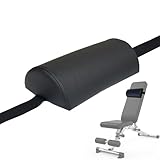
- Workout bench support pad: about 2 to 3.5 inches, depending on the exercise and bench geometry. Products around 13.8 by 7.1 by 3.3 inches are compact support accessories rather than full replacement bench cushions.
- Workbench or craft-table protection: 1 to 3 mm. This is a surface-protection layer, not upholstery.
What's inside
Choosing the right bench pad thickness is less about buying the thickest cushion and more about matching the pad to the bench, the load it will take, and the way it will be used. A thin pad can feel hard and look underfilled; an overly thick one can make a dining bench awkwardly tall, slide around on a narrow seat, or reduce stability on a workout bench.
The most common mistake is shopping by appearance alone. A plush-looking 4-inch pad may be ideal for a deep window seat but wrong for a 16-inch-high entry bench. Another mistake is ignoring the base beneath the pad: a solid wood bench, slatted outdoor bench, steel workout bench, and worktable all need different materials and thicknesses. Finally, buyers often compare foam thickness without asking what kind of foam is inside. Two 2-inch pads can feel dramatically different depending on foam density, batting, cover fabric, and construction.
As an Amazon Associate we earn from qualifying purchases at no extra cost to you. Product prices and availability are accurate as of the date shown and are subject to change.



In 2026, the best approach is simple: start with finished seat height and intended use, then choose the thinnest pad that delivers the comfort and protection you need.
Decide These 3 Things First
- What is the bench for? A decorative entryway bench may need only 1 to 2 inches of cushioning. A dining or piano bench usually works best with 1.5 to 3 inches. A window seat or long reading bench often needs 3 to 5 inches. Workout support pads and workbench mats are separate categories: exercise pads may be 2 to 3.5 inches thick, while protective work mats are often only 1 to 3 mm thick.
- What finished height can you accommodate? Add the compressed pad height—not just the advertised loft—to the bench height. For dining, aim for a finished seat height of about 17 to 19 inches. For an entry bench, 18 to 20 inches is generally comfortable for putting on shoes. A bench that is already 18 inches high should not receive a lofty 4-inch cushion unless it will compress substantially or the bench is intended for lounging.
- How long will someone sit on it at one time? For 5- to 15-minute use, thinner and firmer usually wins. For 30 minutes or more, extra thickness and better foam matter. A 1-inch pad can soften a hard bench for quick seating, but it is rarely enough for reading, dining, or extended exercise support.
Bench Size and Finished Seat Height
Measure the bench before ordering anything. Record its length, depth, height, and edge shape. For a rectangular seat pad, subtract about 1/2 inch from the bench length and depth if you want a tailored fit that does not hang over the edges. For example, a 48-inch by 16-inch bench typically takes a pad around 47.5 by 15.5 inches. If you prefer a softer, more relaxed look, use the exact seat dimensions or add up to 1 inch in each direction.
Depth is especially important when choosing bench pad thickness. A narrow 12- to 14-inch-deep entry bench can feel unstable with a 4-inch cushion because the usable sitting surface becomes more rounded and elevated. On narrow benches, 1.5 to 2.5 inches is usually the more practical range. A 18- to 24-inch-deep window seat has enough depth to handle a 3- to 5-inch cushion without making the seat feel perched.
For dining benches, calculate the relationship to the table. Most dining tables are about 28 to 30 inches high, leaving roughly 10 to 12 inches between the finished seat and tabletop. If a wood bench measures 17 inches high and your table is 29 inches high, a 2-inch pad creates a 19-inch finished seat height and leaves 10 inches of clearance—generally a comfortable setup. A 4-inch pad would create a 21-inch seat, which can crowd the table apron and put knees too close to the tabletop.
Material and Foam Density
Thickness alone does not determine comfort. Foam type and density determine whether a pad feels supportive after repeated use or quickly flattens.
For indoor seating, polyurethane foam is the usual choice. Look for foam around 1.8 to 2.5 pounds per cubic foot for occasional-use pads and 2.5 to 3.0 pounds per cubic foot for frequent-use dining, entryway, or window-seat cushions. Higher density does not necessarily mean harder; it generally means the foam has more material and is more likely to retain its shape.
Firmness is often described as ILD, or indentation load deflection. A range of 24 to 30 ILD suits many sitting benches: supportive enough to prevent bottoming out but not overly rigid. For a softer window-seat feel, consider a foam core around 22 to 26 ILD with a fiber wrap. For a firm workout support pad, a denser, firmer core is more appropriate because body positioning and stability matter more than lounge softness.
Outdoor bench pads need quick-drying, moisture-tolerant filling. Reticulated foam and polyester fiber are common options. Avoid standard indoor foam for an uncovered patio bench: even with a water-resistant cover, trapped moisture can lead to odor and deterioration. A 2- to 3-inch outdoor pad is sufficient for most dining-height patio benches; choose 3 to 4 inches when the bench is used for longer relaxation.
Protective workbench pads are different. A PVC workbench mat measuring 48 by 17 inches and 1.5 mm thick is designed to resist scratches, stains, and light tool contact—not to provide sitting comfort. Do not use millimeter-thick work mats as seat pads, and do not expect upholstered seat cushions to protect a work surface from sharp tools or solvents.
Construction, Covers, and Attachment
A well-built 2-inch pad can outperform a poorly built 4-inch one. Look for a foam core that fits the cover closely, with seams positioned along the sides rather than directly on the main sitting surface. Boxed corners help thicker pads keep a clean shape, while a simple knife-edge construction is usually better for pads under 2 inches thick.
For pads 2 inches and thicker, a polyester batting wrap of roughly 1/4 to 1/2 inch can soften the edges and prevent the cover from showing the foam’s square outline. Keep in mind that batting adds visual loft but compresses faster than foam. If a seller lists a 3-inch cushion, determine whether that means a 3-inch foam core or 2 inches of foam plus fiber fill.
Attachment is a functional issue, not just a styling detail. Ties should be at least 12 to 16 inches long for wrapping around slats or rails. For smooth wood or metal benches, non-slip backing can help, but it works best on clean, dry surfaces. Pads used daily on a narrow bench benefit from at least two tie points or a fitted, wraparound design. Hook-and-loop strips can work on stationary benches, though adhesive-backed versions may damage finishes when removed.
For removable covers, prioritize a zipper opening long enough to remove the foam without forcing it. A zipper that spans at least half the pad length is more practical than a short 6-inch opening on a 48-inch cushion. Washable covers are useful for dining benches, mudrooms, and homes with pets, but always check whether the cover is machine washable or spot-clean only.
Comfort and Performance by Use
Use these thickness ranges as a starting point:
- Decorative or occasional entry bench: 1 to 2 inches. Best for quick shoe-changing and visual warmth without greatly increasing seat height.
- Dining bench or piano bench: 1.5 to 3 inches. Choose firmer foam for stable posture and easier standing.
- Window seat, banquette, or reading bench: 3 to 5 inches. A 4-inch foam core is a common sweet spot for regular lounging.
- Outdoor patio bench: 2 to 4 inches. Favor weather-ready materials over excessive loft.
- Workout bench support pad: about 2 to 3.5 inches, depending on the exercise and bench geometry. Products around 13.8 by 7.1 by 3.3 inches are compact support accessories rather than full replacement bench cushions.
- Workbench or craft-table protection: 1 to 3 mm. This is a surface-protection layer, not upholstery.
If you are between two thicknesses, choose the thinner option for a high, narrow, or heavily used sitting bench. Choose the thicker option for a deep bench used for reading, napping, or extended conversations. Also consider who will use it: a firmer 2-inch dining pad may suit adults well, while children often find a softer 3-inch pad more comfortable.
Price Tiers and What You Get
For standard indoor bench pads, budget options generally run $25 to $60. Expect basic polyester covers, thinner foam or fiber fill, limited fabric choices, and simple ties. These are reasonable for occasional entryway or decorative use, especially in common sizes such as 36 by 14 inches or 48 by 16 inches.
Mid-range pads typically cost $60 to $150. This range often includes 2- to 4-inch foam cores, more durable upholstery fabrics, removable covers, better stitching, and made-to-order dimensions. For a dining bench used every day, this is often the best value tier.
Premium custom cushions usually start around $150 and can reach $400 or more for long window seats, performance fabric, high-density foam, piping, boxed construction, and complex shapes. A 72-inch by 20-inch by 4-inch custom cushion will cost substantially more than a basic 48-inch pad because foam, fabric yardage, and shipping all increase.
Specialty exercise support pads often sell around $20 to $35, including compact chest, neck, back, or waist support pads. Protective PVC workbench mats are commonly $10 to $30, depending on dimensions and thickness. Compare these products only within their intended category; their lower prices reflect smaller sizes and entirely different materials.
Warranty, Delivery, and Assembly
For a simple ready-made pad, a 30-day return window is more useful than a long limited warranty. Check whether the seller accepts returns after the pad has been unpacked, since foam cushions may expand after delivery and can be difficult to repackage.
Custom cushions are often final sale, so confirm every measurement before ordering. Measure at three points along the bench length and depth; older wood benches can vary by 1/4 to 1/2 inch. If your bench has a curved front edge, corner posts, or arms, make a paper template rather than relying on a single length-and-depth measurement.
Compressed shipping is common for foam pads. Give a vacuum-packed cushion 24 to 72 hours to regain its intended shape before judging thickness. Do not cut foam or remove cover tags until you have confirmed the fit. Most pads require no assembly beyond tying them to the bench or placing non-slip backing underneath.
Spec Checklist
| Spec | Budget | Mid | Premium |
|---|---|---|---|
| Typical thickness | 1 to 2 inches | 2 to 4 inches | 3 to 5 inches |
| Best use | Occasional entry or decorative seating | Daily dining, entryway, patio | Window seats, banquettes, custom installations |
| Core material | Fiber fill or basic polyurethane foam | Higher-density polyurethane foam | High-density foam with fiber wrap or specialty outdoor foam |
| Cover | Polyester, spot-clean | Upholstery fabric, often removable | Performance fabric, tailored details, removable cover |
| Attachment | Basic ties or non-slip backing | Reinforced ties, fitted corners, or non-slip base | Custom ties, snaps, fitted design, or integrated wraparound fit |
| Typical price | $25 to $60 | $60 to $150 | $150 to $400+ |
Red Flags
- A listing gives overall thickness but does not identify whether the fill is foam, fiber, or a combination.
- The pad is thicker than 3 inches for a narrow bench but has no ties, fitted corners, or non-slip base.
- Dimensions are listed without stating whether they are measured before or after filling.
- An outdoor pad uses ordinary indoor foam and only calls the fabric “water-resistant.”
- A product claims to be suitable for seating, heavy gym support, and tool-surface protection without explaining its material or intended load.
- The cover is described as washable, but the care label or product details do not specify machine washing, water temperature, or drying instructions.
FAQ
Is 2 inches thick enough for a bench pad?
For an entryway, dining bench, piano bench, or occasional seating, yes. Choose firm foam rather than loose fiber fill for better support. For a window seat or bench used for an hour or more at a time, 3 to 4 inches is usually more comfortable.
What thickness should a dining bench cushion be?
Most dining benches work best with a 1.5- to 3-inch cushion. Keep the finished seat height around 17 to 19 inches and preserve roughly 10 to 12 inches between the seat and tabletop.
Should a bench pad be the same size as the bench?
For a tailored look, make the pad about 1/2 inch smaller than the bench on each measured dimension. Use the exact dimensions when you want a fuller, edge-to-edge cushion. Leave clearance around posts, arms, and curved corners.
How thick should a workbench mat be?
Most workbench mats are 1 to 3 mm thick. A 1.5 mm PVC mat is suitable for basic scratch and stain protection on a craft or woodworking surface, but it is not meant to cushion seated weight or replace a padded bench top.


Write Your Review
No reviews yet. Be the first to share your experience!