
Key takeaways
What's inside
Best home gym equipment lists usually assume a two-car garage. Most people are working with a spare bedroom, a corner of a living room, or a basement with 7 ft of headroom. This guide compares six pieces on footprint, ceiling clearance, load rating and storage, then sets out the order to buy them in.
As an Amazon Associate we earn from qualifying purchases at no extra cost to you. Product prices and availability are accurate as of the date shown and are subject to change.

#1 Pick

#2 Pick

#3 Pick

#4 Pick

#5 Pick

#6 Pick

#7 Pick

As an Amazon Associate we earn from qualifying purchases at no extra cost to you. Product prices and availability are accurate as of the date shown and are subject to change.
By Chris Parker
🛒 Best Price Today on Amazon
Prime members get fast, free shipping on everything above, plus member-only deals. New members get a 30-day free trial — cancel anytime.
How to Choose the Best Home Gym Equipment for a Small Room
The best home gym equipment fails for one of two reasons: it does not cover enough movements, or it does not fit the room in a way you can live with. The four criteria below deal with both, starting with what the equipment has to do and ending with when to buy each piece.
Start With the Movements You Need to Cover
A complete programme needs a horizontal push, a horizontal pull, a vertical push, a vertical pull, a hinge, a squat pattern and some conditioning. Write that list down before shopping, because most impulse purchases duplicate a movement you already have covered.
Adjustable dumbbells and a bench cover five of those seven on their own. A rack or a suspension trainer adds the vertical pull, which is the hardest pattern to load at home. Conditioning is the piece most often skipped and the one that takes up the most floor area.
Footprint, Ceiling Height and Storage
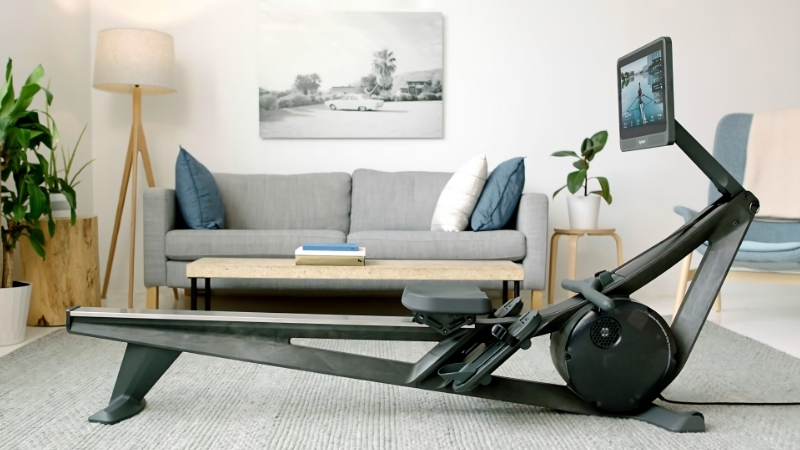
Footprint is the number that decides most home purchases, and it has two values: the space a piece occupies in use, and the space it occupies stored. A folding bench takes about 4 sq ft in use and stands vertically in under 2 sq ft. A rower needs roughly 8 ft (244 cm) of length while you are on it.
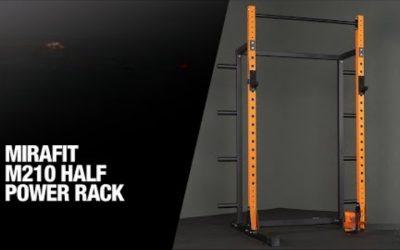
Ceiling height is the constraint people discover after delivery. A power cage typically stands 82 to 84 in (208 to 213 cm), and standing overhead presses need clearance above your fully extended reach. In a basement with 7 ft (213 cm) of headroom, a half rack or a suspension trainer is often the only workable option.
Measure the actual dimensions of the area you intend to use before ordering, including the ceiling, doorway widths and any stair turns the box has to pass through. Manufacturers list assembled dimensions, not the clearance you need to walk around a piece safely.
Load Ratings and Frame Construction
The best home gym equipment lists two separate numbers on any rack or bench: the maximum user weight and the maximum load the frame is rated to hold. A bench rated to 700 lb (318 kg) total is a different product from one rated to 300 lb (136 kg), and the difference shows up as wobble under a heavy press.
The market still designs most of its serious strength equipment around wide garages, which is why compact and folding options remain a comparatively thin part of the category. Buyers in apartments and spare rooms are choosing from a narrower field than the overall product count suggests, so check foldability before trusting a specification sheet.
Buy in Stages, Not All at Once
Buying a full setup on day one is how unused racks end up on resale sites. Start with the pieces that cover the most movements per square foot, train on them for a couple of months, and let the gaps in your programme tell you what to add next.
A sensible order for most people is adjustable dumbbells, then a bench, then a pulling option, then conditioning. That sequence keeps every purchase useful even if the next one never happens, and it spreads the cost across months rather than a single order.
Top Picks: 6 Pieces of the Best Home Gym Equipment
Each piece of the best home gym equipment below covers multiple movement patterns or stores away when it is not in use, which is the only realistic standard for a room that has to serve another purpose. The table lists footprint and load rating side by side.
| Item | Footprint in use | Storage | Load rating | Covers |
|---|---|---|---|---|
| Bowflex SelectTech 552 | Under 2 sq ft | Cradles, under desk | 52.5 lb (23.8 kg) per hand | Push, pull, hinge, carry |
| FLYBIRD Adjustable Bench | ~4 sq ft | Folds, stands upright | Up to 700 lb (318 kg) | Press angles, rows, step-ups |
| Fitness Reality 810XLT Cage | ~12 sq ft | Fixed | Up to 800 lb (363 kg) | Squat, press, pull-up |
| Concept2 RowErg | ~96 x 24 in (244 x 61 cm) | Splits, stores upright | 500 lb (227 kg) user | Conditioning, full body |
| TRX All-in-One | Anchor point only | Fits in a drawer | 350 lb (159 kg) rated | Rows, presses, core |
| Stackable resistance bands | Negligible | Small bag | Up to ~200 lb stacked | Assistance, travel, warm-up |
1. Bowflex SelectTech 552 Adjustable Dumbbells
The single highest-value purchase for a small room. One pair replaces fifteen sets of fixed dumbbells, adjusts from 5 to 52.5 lb (2.3 to 23.8 kg) per hand in 2.5 lb steps up to 25 lb, and stores in cradles that slide under a desk or bed.
The plastic shroud cannot be dropped or rested on its ends, and above 25 lb the increment widens to 5 lb, which slows progression on isolation work. Legs will outgrow the top weight before the upper body does, so plan a bar or a rack eventually.
2. FLYBIRD Adjustable Bench
A bench multiplies what dumbbells can do, adding incline and decline pressing, supported rows and step-ups. This one folds flat and stands upright against a wall, occupies roughly 4 sq ft in use, and is rated to a total load well above what most home lifters will put on it.
The padding is firmer and narrower than a commercial bench, which some people find uncomfortable on longer pressing sets, and the folding mechanism adds a small amount of flex compared with a fixed-frame bench. For the price and the storage advantage, both are reasonable trades.
3. Fitness Reality 810XLT Super Max Power Cage
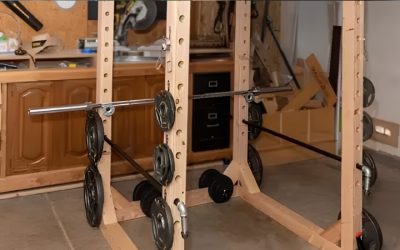
The entry point into real barbell training at home. A full cage with safety bars means you can squat and press alone without a spotter, and the frame is rated to a high total load with a pull-up bar integrated into the top for the vertical pull most setups lack.
It stands over 80 in (203 cm) tall, so low ceilings rule it out entirely, and it does not fold or move once assembled. Assembly takes a couple of hours and is easier with two people. Check ceiling height and doorway width before ordering.
4. Concept2 RowErg
The conditioning option that survives daily use for years. It works the full body rather than legs alone, the air resistance scales automatically with effort, and it separates into two pieces to stand vertically in a corner rather than taking up 8 ft of floor permanently.
It needs roughly 96 in (244 cm) of clear length while you are using it, which is more than many spare rooms allow, and the chain and flywheel produce a noticeable whooshing sound that carries through floors in an apartment. Neither is a fault, but both need planning for.
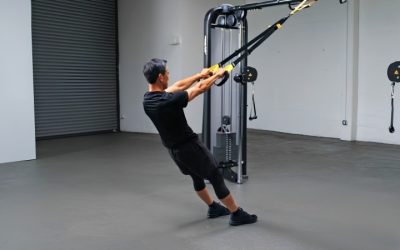
5. TRX All-in-One Suspension Trainer
The most space-efficient way to add pulling work when a rack will not fit. It weighs a couple of pounds, packs into a drawer, anchors over a door or to a beam, and covers rows, chest presses, split squats and core work using body weight as the load.
Load is limited to a proportion of your own body weight, so it plateaus for stronger lifters on pulling movements. The door anchor requires a solid door that opens away from you, and adjusting difficulty means changing foot position rather than adding weight.
6. Stackable Resistance Band Set
The cheapest useful item on this list and the one that travels. Stackable sets with clip handles and a door anchor let you build resistance in layers, and they cover warm-ups, assistance work and pull-up help that would otherwise need a dedicated machine.
Bands provide variable rather than constant resistance, so the load is lightest exactly where most lifts are hardest, and latex degrades with sunlight and age. Inspect them regularly and replace any band showing surface cracking rather than waiting for it to fail mid-rep.
Frequently Asked Questions
The best home gym equipment questions below come up before almost every first purchase, and the answers tend to change the shopping list rather than just clarify it. Each one is answered against room dimensions and load ratings rather than general advice.
What Is the Minimum Kit for a Full-Body Setup?
Adjustable dumbbells and an adjustable bench cover pressing, rowing, hinging and single-leg work in under 6 sq ft. Add a suspension trainer or a pull-up bar for the vertical pull and you have every major movement pattern loaded, which is enough to train productively for a year or more.
Does a Power Rack Need Bolting to the Floor?
Most home cages are designed to stand free at typical home loads, and manufacturers state whether anchoring is required. Bolting becomes relevant with heavy racking, kipping pull-ups or lighter frames. Check the manual, because anchoring is not optional on every model and drilling into a rented floor rarely is either.
How Much Ceiling Height Do I Need?
A power cage typically stands 82 to 84 in (208 to 213 cm), and standing overhead presses need clearance above your fully extended reach with a bar. In a room with 7 ft (213 cm) ceilings, expect to choose a half rack, a folding wall rack or a suspension trainer instead.
Should I Buy the Best Home Gym Equipment All at Once?
Staging purchases is almost always better. Buy dumbbells and a bench first, train for two months, then let the gaps in your programme dictate the next purchase. Each item stays useful on its own, and you avoid paying for a rack that turns out to be storing laundry.
See More:
Final Thoughts
Choosing the best home gym equipment is a space problem before it is a training problem. Confirm ceiling height, doorway width and stored footprint against real measurements, prioritise pieces that cover several movement patterns, and add equipment in stages so every purchase earns the floor space it occupies.

Write Your Review
No reviews yet. Be the first to share your experience!