
Key takeaways
What's inside
Best squat barbell is a power bar, not a multipurpose bar, and the difference is stiffness. A bar that whips under a heavy squat moves on your back at exactly the moment you need it not to, and that is what a 29 mm shaft prevents.
As an Amazon Associate we earn from qualifying purchases at no extra cost to you. Product prices and availability are accurate as of the date shown and are subject to change.
As an Amazon Associate we earn from qualifying purchases at no extra cost to you. Product prices and availability are accurate as of the date shown and are subject to change.


By Chris Parker
🛒 Best Price Today on Amazon
Prime members get fast, free shipping on everything above, plus member-only deals. New members get a 30-day free trial — cancel anytime.
Start 30-Day Prime Free Trial →See Today’s Amazon DealsWhat Makes the Best Squat Barbell Different
Three specifications separate the best squat barbell from a general-purpose bar: a thicker stiffer shaft, an aggressive knurl and a centre knurl. The best squat barbell trades away everything that helps Olympic lifting in exchange for stability under load.
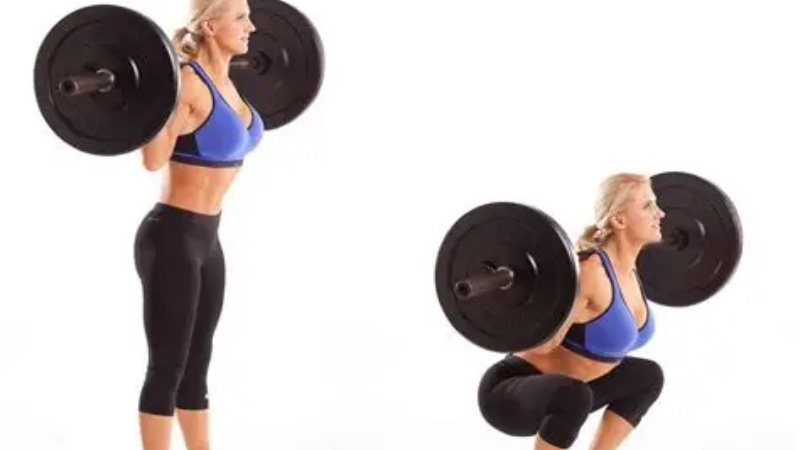
Shaft Diameter and Why Stiffness Wins
A power bar uses a 29 mm shaft against the 28-28.5 mm of a multipurpose bar. That extra material reduces whip substantially, so the bar stays where you racked it instead of oscillating across your back as you stand up out of the hole with a heavy load.
Whip is genuinely useful in cleans and snatches, where the flex helps the bar leave the floor. Under a heavy squat it is only a liability, which is why specialised squat bars go the other way entirely.
Centre Knurl and Bar Position
A centre knurl stops the bar sliding down your back, and that matters more as loads increase and as the shirt gets damp. On a smooth-centred bar the same set requires more effort to hold position throughout.
The cost is comfort in front rack positions and cleans, where a knurled centre scrapes the sternum and collarbone. That is exactly the trade a dedicated squat bar is meant to make.
Knurl Aggression and Knurl Marks
Power bars use a sharper knurl that holds securely when hands sweat, which matters as much on the setup and walkout as during the lift. Aggressive knurl also tears hands during high-rep work, so it is a specialist choice.
Knurl marks follow the powerlifting standard at 810 mm apart rather than the wider Olympic spacing, which gives a consistent hand reference for squats and bench presses. Bars with dual markings cover both standards.
Storage Footprint and Rack Fit
A full-length bar needs about 7.2 ft (2.2 m) of clear wall or a horizontal hanger, plus room to walk past it. Check your rack’s inside width, since a bar must sit securely in both J-cups with margin to spare.
Power bars are usually 20 kg (44 lb) like other full-length bars, so the weight is not the storage issue. The sleeve length of around 415 mm determines how many plates fit before you run out of room.
Bushings, Sleeves and Why Spin Barely Matters
Sleeve rotation is close to irrelevant for squatting, because the bar never needs to spin in your hands during the lift. Bronze bushings are therefore the correct choice, and needle bearings add cost for no benefit here.
What does matter is sleeve play. A collar with lateral movement produces a slight rattle and an uneven feel across the back, so check the sleeves by hand before loading the best squat barbell you have just bought.
Market Context for Power Bars
The mid tier now offers genuine 29 mm power bars with adequate tensile steel and proper knurl, which was a premium-only specification a few years ago. That is the main change in this part of the market.
Below that tier the compromises are consistent: lower tensile steel that takes a permanent bend if dropped loaded onto safeties, sleeve collars that develop play, and knurl that is either shallow or unpleasantly sharp. Check the sleeves for lateral movement on arrival.
Bars are heavy to ship, so freight dominates the pricing more than manufacturing does. Deep discounts cluster around the late-year sales period for exactly that reason, which makes timing more relevant here than for small equipment.
Top Picks: Best Squat Barbell
These seven span dedicated power bars, value alternatives and the specialist bars that solve specific squatting problems. Each entry gives the shaft and knurl arrangement plus the honest weakness.
| Bar | Shaft | Centre Knurl | Knurl | Best For |
|---|---|---|---|---|
| Rogue Ohio Power Bar | 29 mm | Yes | Aggressive | Benchmark power bar |
| REP Fitness Power Bar EX | 29 mm | Yes | Aggressive | Mid-tier value |
| Titan Fitness Power Bar | 29 mm | Yes | Moderate to sharp | Budget entry |
| Bells of Steel Powerlifting Bar | 29 mm | Yes | Aggressive | Value all-rounder |
| Synergee Regional Bar | 28 mm | Passive | Moderate | Mixed training |
| CAP Barbell Power Bar | Around 29 mm | Yes | Moderate | Lowest cost |
| Safety Squat Bar | Padded yoke | Not applicable | Not applicable | Shoulder limitations |
Rogue Ohio Power Bar
The reference power bar. A 29 mm shaft with an aggressive knurl, a centre knurl and powerlifting knurl marks delivers exactly what a heavy squat needs, and the build quality means it stays that way for a decade.
The knurl is genuinely sharp and tears hands during high-rep work, and the bare steel version rusts fast in a damp garage without regular oiling. It is also poor for cleans, which is the point rather than a fault.
REP Fitness Power Bar EX
The value option with the specifications that matter: stiff 29 mm shaft, centre knurl and a knurl aggressive enough to hold under heavy pulls. For a home gym focused on strength work it is the sensible buy.
Finish quality sits a step below premium bars and stock availability fluctuates. The aggressive knurl carries the same drawback as any power bar for high-rep training.
Titan Fitness Power Bar
The budget route to a genuine 29 mm power bar. For a lifter squatting moderate loads it delivers the stiffness and centre knurl that matter, and the saving buys plates.
Quality control is less consistent than higher tiers, and sleeve play is the most commonly reported issue. Knurl sharpness also varies between production runs, so it is worth inspecting on arrival.
Bells of Steel Powerlifting Bar
A well-specified power bar that usually undercuts the premium options while matching them on the numbers that count. Stiff shaft, proper centre knurl and powerlifting marks cover the whole job.
The finish is functional rather than refined and knurl consistency varies slightly across the shaft. As with all value bars, check the sleeve collars for lateral movement when it arrives.
Synergee Regional Bar
Included as the compromise option. At 28 mm with a passive centre knurl it is not a dedicated squat bar, but for someone who owns one bar and does mixed training it squats acceptably while still cleaning well.
Under genuinely heavy squats the whip is noticeable and the passive centre knurl grips the shirt less. It is a general bar that squats rather than the best squat barbell in its own right.
CAP Barbell Power Bar
The lowest-cost route into a stiffer bar with a centre knurl, and adequate for moderate loading. For a first strength-focused bar it puts the money where it counts without a large outlay.
Lower tensile steel means it can take a permanent bend if dropped loaded onto safeties, and the knurl is milder than a true power bar. Heavier lifters outgrow it, so treat it as a stepping stone.
Safety Squat Bar
A padded yoke bar with forward handles removes the external shoulder rotation a straight bar demands during the setup, which makes it the answer for anyone whose shoulders rather than their legs are limiting how much they can squat.
It shifts the load forward, so it is not interchangeable with a straight bar and the weight you handle drops noticeably. It also costs more than most straight bars and takes considerably more storage space.
Frequently Asked Questions
These questions come up whenever someone squats heavy on a multipurpose bar and feels it moving on their back.
Do I really need a separate squat bar?
Only if you squat heavy and often. The best squat barbell earns its place once whip and bar position become noticeable during a set, which for most lifters happens somewhere above bodyweight on the bar. Below that a good multipurpose bar handles squats perfectly well and leaves your budget for plates.
Is the centre knurl worth the discomfort?
Under a heavy squat, yes. It stops the bar creeping down your back as the set goes on and your shirt dampens. If you also clean or front squat regularly, that same knurl scrapes the sternum and collarbone, which is why owning two bars is common in strength-focused gyms.
What tensile strength should a squat bar have?
Around 190,000 PSI or above is sensible for a bar that will be loaded heavily and occasionally dropped onto safeties from a failed rep. That is where a permanent bend actually happens in a home gym, rather than during the lift itself.
Will an aggressive knurl tear my hands?
On high-rep work, often yes. Power bar knurl is designed for maximal grip on low-rep lifts, so pairing it with high-volume pulling or conditioning work produces tears at the callus line within a few sessions. That is the main reason strength-focused gyms keep a milder bar alongside for accessory work.
See More:
- Ankle weights best
- Best rated ankle weights
- Best home workout equipment budget
- Best resistance bands for men
Final Thoughts
The best squat barbell is a 29 mm power bar with a centre knurl and an aggressive knurl pattern, chosen for stiffness rather than versatility. It squats better than any multipurpose bar and cleans worse, which is the trade. Check your rack’s inside width and the 7.2 ft storage run before ordering.


Write Your Review
No reviews yet. Be the first to share your experience!