
Key takeaways
What's inside
Best barbell exercise for back is usually answered with the bent-over row, and then the answer stops. The harder question is what a row or a rack pull actually needs at home: bar length, plate diameter, floor protection, and the 8 ft of clear width that nobody mentions in the listing. Space is the real constraint.
As an Amazon Associate we earn from qualifying purchases at no extra cost to you. Product prices and availability are accurate as of the date shown and are subject to change.
As an Amazon Associate we earn from qualifying purchases at no extra cost to you. Product prices and availability are accurate as of the date shown and are subject to change.


By Chris Parker
🛒 Best Price Today on Amazon
Prime members get fast, free shipping on everything above, plus member-only deals. New members get a 30-day free trial — cancel anytime.
Start 30-Day Prime Free Trial →See Today’s Amazon DealsHow to Choose Gear for the Best Barbell Exercise for Back
Two numbers decide this purchase before any brand does: the loading step you can add each week, and the footprint the bar needs once it is loaded with plates. Pairs of 2.5 lb (1.25 kg) plates give a workable step, and a 7.2 ft bar wants roughly 8 ft of clear width around it. Both numbers are measurable today.
Bar Length, Loading Steps and Plate Diameter
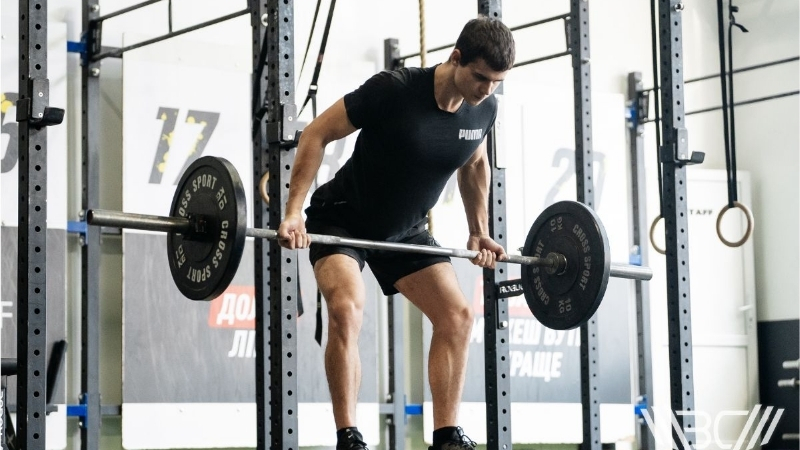
A standard Olympic bar is 7.2 ft (2.2 m) long and weighs 45 lb (20 kg), with 2 in (50 mm) sleeves and a shaft of 28 to 29 mm. Shorter 6 ft bars exist for tight rooms, but they hold fewer plates and flex noticeably more once a heavy pull comes off the floor. Bar length decides the best barbell exercise for back at home.
Plate diameter changes the exercise itself. Full-size 45 lb (20 kg) plates and bumpers measure 17.7 in (450 mm) across and set the bar at standard pull height, while smaller plates leave it lower and lengthen the range considerably. Fractional plates of 1.25 lb (0.5 kg) keep rows progressing when 5 lb jumps stall.
Footprint, Ceiling Height and Floor Protection
Footprint is the number one filter for the best barbell exercise for back at home. A loaded 7.2 ft bar needs about 8 ft (2.4 m) of clear width plus roughly 4 ft (1.2 m) of depth for the lifter, which rules out a surprising number of spare bedrooms before anything else is considered. Depth matters as much as width.
A rack for rack pulls needs about 7 ft (2.1 m) of height plus clearance above it. Measure the exact room, including door swings and the ceiling light, before ordering. Rubber matting of 3/4 in (19 mm) under the lifting area protects joists and tiles and cuts the noise travelling through the building.
Wear Points: Collars, Benches and Welds
Failure points in home gear are predictable: collars that creep during a set, folding bench frames that flex under a chest-supported row, and welds on entry-level racks. None of these break dramatically. They loosen instead, and that growing wobble is your signal to check the bolts rather than ignore it.
Most equipment in this category is still designed for wide garages, which is why compact, foldable options that hold real load remain the thinnest part of the market. When something is both narrow and properly rated, expect to pay for it, or expect to give up the folding mechanism entirely. Compact and strong costs money.
Top Picks: Gear That Makes Barbell Back Work at Home
These six pieces cover a working setup: bar, trap bar, landmine, bench, straps and flooring. You do not need all six at once, and the bar plus matting should come first. Each entry below states what the item does badly as well as what it does well at its price point. Order matters more than brand in the best barbell exercise for back.
| Item | Role | Key spec | Buy first? |
|---|---|---|---|
| CAP Olympic bar | Rows, pulls | 7.2 ft, 45 lb | Yes |
| CAP trap bar | Deadlift variant | 2 in sleeves | Later |
| Yes4All landmine base | T-bar rows | Fits 2 in bars | Later |
| Flybird bench | Supported rows | Folds flat | Second |
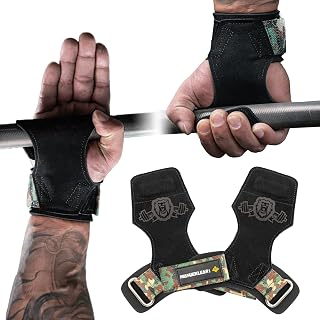
| Gymreapers straps | Grip support | 18 in cotton | Cheap add-on |
| Rubber gym mat | Floor protection | 3/4 in thick | With the bar |
CAP Barbell Olympic Bar
CAP’s Olympic bars are the default first bar for home lifters: full 7.2 ft (2.2 m) length, 2 in (50 mm) sleeves and a price well below the specialist brands. For rows, rack pulls and deadlifts in the range most home lifters work in, that is simply enough bar to get on with. It is enough bar for several years.
Sleeve spin is adequate rather than smooth, the knurl sits on the mild side, and finishes vary across the range, with black oxide needing more upkeep than chrome does. Check the capacity rating on the exact model you are buying, because it differs between bars sold under the same brand name. Finishes need different upkeep.
CAP Barbell Olympic Trap Bar
A trap bar changes the geometry of a pull: hands beside the hips instead of in front of the thighs, which most people find easier on the lower back while still loading the upper back and traps hard. It is the most beginner-friendly heavy pull you can set up in a home gym. It is the friendliest heavy pull for beginners.
It is bulky, awkward to store upright against a wall, and it cannot replace a straight bar for rows. Loading takes longer as well, since you step in and out of the frame. Buy it second or third rather than first, and check the sleeve length against your plate collection. Storage upright is its weakest point.
Yes4All Landmine Base
A landmine base pins one end of the bar and turns it into a T-bar row station, which is the cheapest way to add a back exercise that needs no rack at all. It fits standard 2 in (50 mm) sleeves, stores flat against a wall, and takes seconds to set up between sets. It is the cheapest route to the best barbell exercise for back.
The rotation is basic compared with bearing-mounted units, and unweighted bases slide across smooth floors under a heavy pull. Stand it on rubber matting or park a plate on the base to hold it still, and keep the sleeve clean so that the bar does not bind halfway through a set. Keep the sleeve lightly greased.
Flybird Adjustable Weight Bench
A bench turns rows into chest-supported rows, which takes the lower back out of the equation and lets you train the upper back on days when a bent-over row does not appeal. Flybird benches fold flat for storage, and that is the main reason they suit small rooms and shared spaces. Folding is why it fits small rooms.
Folding benches flex more than fixed ones under heavy load, and the pad is narrow for larger lifters. Check the stated weight capacity carefully, remembering that the figure covers the lifter plus the load rather than the plates alone, and keep the hinge bolts on a periodic check list. Capacity includes the lifter.
Gymreapers Lifting Straps
Straps are the cheapest upgrade on this list. On heavy rows and rack pulls the grip usually fails well before the back does, and 18 in (46 cm) cotton straps let the target muscles finish the set properly. They also last for years with no maintenance beyond an occasional wash. Grip fails before the back does.
Used on every set they hide a real grip weakness, so keep them for the heaviest work of the session. They are also useless without practice, since a badly wrapped strap slips mid-pull. Learn the wrap with light weight before you rely on it under something genuinely heavy. Practise the wrap when it is light.
Rubber Gym Flooring Mat
A 3/4 in (19 mm) rubber mat under the pull area is the least exciting purchase here and the one that protects everything else you own. It stops plate impact reaching the subfloor, keeps a loaded bar from rolling away, and dampens the noise that otherwise annoys everyone else in the building. It protects the floor and the bar.
Rubber mats are heavy, awkward to carry upstairs alone, and some give off a strong smell for the first couple of weeks after unwrapping. Air them outside before laying them down, and measure the area first, because trimming thick rubber flooring at home is genuinely unpleasant work. Air them out before laying them down.
Frequently Asked Questions
Four questions cover most of what people ask before setting up barbell back training at home. They are all equipment and space questions, since programming advice belongs with a coach who can watch how you actually move under load rather than read about it in a product description. Space answers most of them.
Do I need a power rack for barbell back work?
Not for rows or deadlifts, which both start from the floor. A rack only becomes necessary for rack pulls at a set height and for pressing safely alone. If space is tight, a bar, plates and rubber matting cover most of what back training genuinely requires in a home setup. Rows and pulls need no rack at all.
Is a trap bar deadlift a back exercise?
It loads the upper back and traps heavily while shifting some demand across to the legs, so it is a useful pull rather than a direct replacement for a row. Most home setups end up using both, because the two lifts stress the back in noticeably different positions. Both lifts belong in a complete plan.
How much space does a loaded barbell need?
Roughly 8 ft (2.4 m) of clear width for a 7.2 ft bar, plus room to load plates on both sides, and about 4 ft (1.2 m) of depth. Add matting under that area. Measure the room, including where the door opens, before committing to a particular bar length. Width decides the best barbell exercise for back you can load.
How often should I train the back?
General guidance suggests two muscle-strengthening sessions per week covering the major muscle groups (WHO, 2020). Beyond that, frequency depends on recovery and schedule rather than any rule. Anyone with existing back pain should speak to a doctor or a certified trainer before loading a barbell at all.
See More:
Final Thoughts
The best barbell exercise for back at home is whichever one your room and your gear genuinely allow you to load. A full-length bar, small plate steps and rubber matting cover the basics, while a bench and a landmine widen the options later. Measure the space before you buy anything else. Measure before you order.


Write Your Review
No reviews yet. Be the first to share your experience!