
Key takeaways
What's inside
Best barbell brand is a question about accountability rather than steel. Most makers source similar alloy; what separates them is whether they publish tensile strength, honour a bend warranty and sell spare parts. This guide covers what to check on a listing and six brands worth a thirty-year purchase.
As an Amazon Associate we earn from qualifying purchases at no extra cost to you. Product prices and availability are accurate as of the date shown and are subject to change.
As an Amazon Associate we earn from qualifying purchases at no extra cost to you. Product prices and availability are accurate as of the date shown and are subject to change.


By Chris Parker
🛒 Best Price Today on Amazon
Prime members get fast, free shipping on everything above, plus member-only deals. New members get a 30-day free trial — cancel anytime.
Start 30-Day Prime Free Trial →See Today’s Amazon DealsHow to Judge a Barbell Brand
A barbell is one of the very few pieces of gym equipment you might genuinely own for thirty years, so the brand behind it matters more than it does anywhere else. The four criteria below separate the best barbell brand candidates from companies simply putting a logo on imported stock.
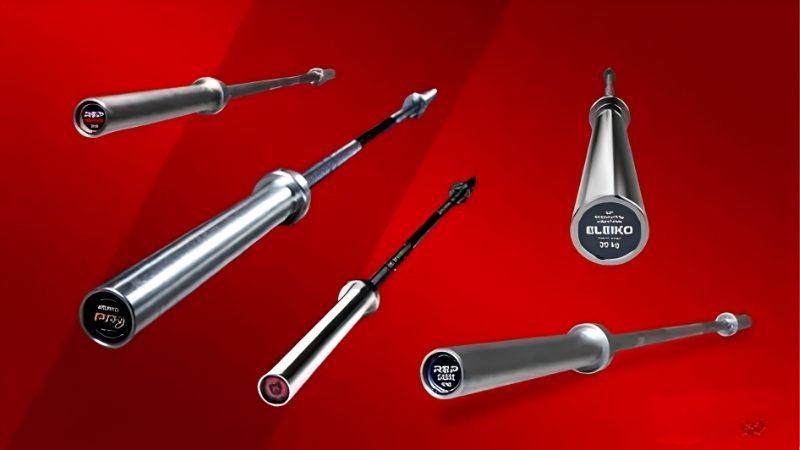
Published Specifications and What They Omit
The best barbell brand candidates publish tensile strength in PSI, shaft diameter in millimetres, knurl pattern, sleeve coating and bushing or bearing type. Ranges of roughly 165,000 to 215,000 PSI cover most bars, and higher figures indicate more resistance to permanent bending.
What gets omitted tells you just as much. A listing quoting only a weight capacity and no tensile figure is not giving you the specification that matters, and the best barbell brand options all state theirs plainly rather than hiding behind a generic load rating.
Weight capacity in isolation is close to meaningless, because almost any bar will hold more than you can lift. Tensile strength describes resistance to permanent bending, which is the failure that actually ends a barbell’s life in a home gym.
Warranty Terms and How They Are Honoured
Lifetime bend warranties are common across the best barbell brand options at mid and premium tiers, but the terms vary enormously. Some exclude dropping from overhead, which excludes exactly the use case where a bar bends. Read what is covered before treating the headline as meaningful.
Service record matters considerably more than the printed policy. A brand with a long trading history and an established returns process is a safer bet than a newer name offering a longer warranty on paper, because any warranty is only as good as the company still trading when you need to use it.
Knurl Consistency and Sleeve Coating
Knurl is where cheap manufacturing shows itself first. Consistent depth across the whole knurled section, clean centre knurl edges and correctly placed rings all indicate proper machining rather than a rushed cut, and you can feel the difference within one set.
Sleeve coating decides how the bar ages. Chrome and stainless resist rust best, zinc is a middle option that dulls over time, and bare or black oxide finishes need oiling in any humid space. In an unheated garage, coating matters more than tensile strength.
Footprint: Storing a Seven-Foot Bar
A bar from any best barbell brand is 86-87 in (218-221 cm) long and weighs 44 lb (20 kg), which needs either a vertical holder claiming around 12 x 12 in (30 x 30 cm) of floor with 8 ft of ceiling, or a horizontal wall rack spanning most of a wall.
Vertical storage is the space-efficient answer but it needs the kind of ceiling height a low basement or converted garage may simply not have. Measure the wall or corner before buying, and remember the bar has to be lifted clear of the holder, which adds another foot of clearance above.
Top Picks: Best Barbell Brand Options for Home Gyms
The six brands below all publish real specifications and genuinely stand behind the bars they sell. The table lists a representative model from each, and the write-ups explain what that brand is genuinely good at along with where it falls short for a home lifter.
| Brand | Representative bar | Strength | Typical use | Price tier |
|---|---|---|---|---|
| Rogue Fitness | Ohio Bar | Spec transparency, warranty | General and powerlifting | Premium |
| REP Fitness | Gladiator or Colorado Bar | Value at mid tier | Home gym all-round | Mid |
| American Barbell | Performance series | Stainless and coatings | Longevity in humid spaces | Premium |
| Titan Fitness | Atlas or Performance bars | Lowest cost with real specs | Budget home gyms | Budget |
| CAP Barbell | Olympic bars | Availability and price | Light to moderate loads | Budget |
| York Barbell | Legacy and training bars | Long trading history | Traditional strength work | Mid to premium |
Rogue Fitness
The reference point for spec transparency in this market. Tensile strength, knurl pattern, bushing type and coating are all published for every bar, the warranty terms are clear, and replacement parts including bushings and snap rings are available separately.
Pricing is at the premium end and shipping costs on a 44 lb bar are substantial. Popular models also go out of stock for long periods, so a specific bar may mean waiting rather than ordering it the week you decide.
REP Fitness
The strongest value proposition at the mid tier. Specifications are published properly, the knurl is consistent, and the bars are aimed squarely at home gyms rather than being scaled-down commercial products, which shows in the whip and knurl choices.
The range is narrower than the premium brands and specialist bars are limited. Coating options are also fewer, which matters if your gym is an unheated garage where a stainless or hard chrome sleeve would be the sensible specification.
American Barbell
Coating and finish are where this brand separates itself, with stainless shafts and hard chrome sleeves that hold up in humid environments far better than zinc. For a garage gym in a damp climate, that is the specification that decides longevity.
Prices sit at the premium end and availability through general retailers is patchier than the larger brands. The range also skews toward commercial and training bars rather than the specialist competition bars some lifters want.
Titan Fitness
The budget brand that still publishes tensile figures, which is the reason it belongs on this list rather than the many that do not. For a first barbell under moderate loads, the specifications are honest and the value is genuine.
Machining consistency varies between individual units, and shallow knurl depth is by far the most common complaint. Finish blemishes on arrival are routine, and warranty support is less established than the premium brands, so treat it as a bar to start with rather than to keep forever.
CAP Barbell
Widely stocked and inexpensive, which makes it the practical answer for a light home setup or a second bar. Availability is the real strength here, since you can usually buy one immediately rather than waiting on stock.
Specifications are thinner than the other brands here and tensile figures are not always published. Sleeve rotation is also basic, so this is a bar for pressing and squatting rather than for Olympic lifts where spin matters.
York Barbell
One of the longest-trading names in the industry, which counts for something when you are relying on a lifetime warranty. The training bars are well made, the knurl is traditional and slightly aggressive, and the build feels built to last decades.
The range and online presence are less modern than the newer brands, and specifications are sometimes harder to find. Pricing is also mid to premium without the coating options that justify premium pricing elsewhere.
Frequently Asked Questions
These four questions cover what people most want settled about the best barbell brand before committing to a purchase — what tensile strength means, whether warranties are meaningful, coating choice and how much to spend.
What tensile strength do I actually need?
Around 190,000 PSI covers home training comfortably, and 165,000 PSI is adequate under moderate loads. Higher figures matter most for bars that get dropped from overhead, which is where permanent bending actually happens rather than under a heavy squat.
Anything above roughly 205,000 PSI is aimed at competition and repeated dropping. In a home gym that specification buys peace of mind rather than performance, so treat it as optional unless you train Olympic lifts on to bumper plates regularly.
Are lifetime bend warranties worth anything?
Only as good as the terms and the company. Many exclude dropping from overhead, which is the main cause of bends, so read the exclusions. A brand’s trading history and returns process tell you more than the length of the warranty does.
Which sleeve coating should I choose?
Stainless or hard chrome for a humid or unheated space, zinc as a middle option, and bare or black oxide only if you will oil it regularly. Coating is the specification most likely to determine how the bar looks and functions in ten years.
How much should I spend on a barbell?
Enough to get published specifications and a warranty with readable terms, which in practice means the mid tier rather than the cheapest bar available. A barbell is a long-term purchase, and the gap between a budget and a mid-tier bar is smaller than the gap in how long they last.
See More:
- Ankle weights best
- Best rated ankle weights
- Best home workout equipment budget
- Best resistance bands for men
Final Thoughts
The best barbell brand for most home lifters is one that publishes tensile strength, offers a warranty with readable terms and sells spare parts, which points to the mid tier rather than the cheapest option. Choose the coating for your climate rather than your budget, and measure the storage space before a seven-foot bar arrives.


Write Your Review
No reviews yet. Be the first to share your experience!