
Key takeaways
What's inside
Best home gym products look different when you divide the price by the number of sessions they will survive rather than comparing sticker figures. On that measure the expensive rower often beats the cheap machine, and the cheapest item of all wins outright. Six buys are rated on exactly that, alongside the wear parts and resale value behind it.
As an Amazon Associate we earn from qualifying purchases at no extra cost to you. Product prices and availability are accurate as of the date shown and are subject to change.

#1 Pick

#2 Pick

#3 Pick

#4 Pick

#5 Pick

#6 Pick
#7 Pick
As an Amazon Associate we earn from qualifying purchases at no extra cost to you. Product prices and availability are accurate as of the date shown and are subject to change.
By Chris Parker
🛒 Best Price Today on Amazon
Prime members get fast, free shipping on everything above, plus member-only deals. New members get a 30-day free trial — cancel anytime.
How to Rate the Best Home Gym Products by Cost Per Session
Sticker price on the best home gym products answers a question nobody asks twice. What matters is the total spent divided by the sessions the item survives, adjusted for the space it occupies and what it sells for afterwards. The four criteria below build that picture.
Cost Per Session Beats Sticker Price
The arithmetic behind the best home gym products is simple: purchase price plus consumables, divided by realistic sessions. An item used three times a week for five years sees roughly 780 sessions, which turns a large one-off outlay into a very small per-use figure.
The variable that ruins the calculation is abandonment. Equipment that stops being used after eight weeks has a per-session cost dozens of times higher than its price suggests, which is why storage convenience and load ceiling matter financially as well as practically.
Consumables belong in the numerator. Cables, rods, bands, seat rollers and upholstery are running costs, not repairs, and an item needing a set of bands every year is more expensive across a decade than its purchase price alone implies.
What Determines Service Life
Among the best home gym products, mechanical simplicity predicts longevity better than brand or price. A cast iron bell has no moving parts and no failure mode short of being dropped through a floor. A cable machine has swage fittings, bushings and pulleys, all of which are wear items.
Load ceiling is the second factor, because outgrowing something ends its service life just as effectively as breaking it. Conditioning equipment scores well here, since resistance scales with your own output rather than with a setting on the machine.
Parts availability decides whether wear ends the product or just interrupts it. Check that cables, rods, pads and rollers are listed as orderable spares before buying, because a discontinued part turns a serviceable frame into scrap.
Space Cost Alongside Money Cost
Floor area is a recurring cost paid in a currency you cannot earn more of. A rack claiming 12 sq ft in a spare bedroom takes that space for the entire ownership period, which is a real charge even though it never appears on a receipt.
Rank candidates by sessions delivered per square foot as well as per pound. Dumbbells and kettlebells score extremely well; full cages and cable machines deliver more capability but at a space cost that only a dedicated room absorbs comfortably.
Measure the actual dimensions of the room before ordering anything freight-delivered, ceiling height and doorway width included. Working clearance around a loaded bar is part of the space cost and is never listed alongside assembled dimensions.
Resale Value and Exit Cost
Mechanical equipment holds value remarkably well. Bars, plates, kettlebells, racks and benches sell readily years later because there is little to inspect and nothing to go obsolete, which pulls the true cost of ownership down substantially.
App-connected equipment is the opposite case. Check what the hardware still does with no subscription active, because a machine that loses presets, resistance control or tracking when an account lapses depreciates faster and sells for less.
Exit cost is real too. Freight-delivered frames are hard to move, often need dismantling, and reduce the pool of buyers to people with a van, which is worth weighing carefully before choosing between a fixed cage and something that folds away.
Top Picks: 6 of the Best Home Gym Products by Value Over Time
The best home gym products below are rated on service life, wear parts and resale rather than on features. The table pairs each item with the limiting factor most likely to end its service, which is what eventually sets the per-session figure.
| Product | Wear parts | Load ceiling | Space cost | Resale |
|---|---|---|---|---|
| Cast iron kettlebell | None | Fixed weight | A corner | Strong |
| Olympic bar and plates | Sleeve bushings | Sleeve capacity | Tree or wall pegs | Strong |
| Bowflex SelectTech 552 | Dial and shroud | 52.5 lb (23.8 kg) per hand | Under 2 sq ft | Good |
| Titan T-3 Power Rack | Pins and J-cups | Bar and plate limited | ~12 sq ft | Good, hard to move |
| Concept2 RowErg | Chain, seat rollers | Your own output | ~96 in (244 cm) long | Very strong |
| Body-Solid Powerline P2X | Cables, bushings | Stack and pulley ratio | Fixed footprint | Moderate |
1. A Cast Iron Kettlebell
The lowest cost per session of anything here by a wide margin. No mechanism, no consumables, no warranty to read, and a single bell covers swings, goblet squats, carries and presses. Barring a dropped floor, it outlasts everyone who owns it.
Fixed weight is the ceiling, so progression means buying another bell rather than adjusting this one, and each occupies its own corner. It is also the item most often bought in the wrong weight and then left unused, which ruins the arithmetic.
2. An Olympic Bar and Plate Set
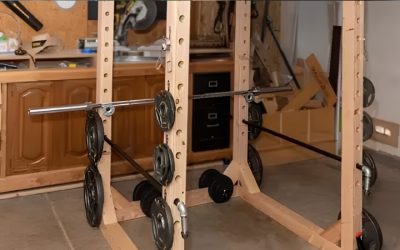
Bushings are the only wear part, plates have none at all, and the whole set sells second-hand almost instantly. A 7 ft (213 cm), 45 lb (20 kg) bar rated around 700 lb (318 kg) will comfortably outlast several training programmes and probably several owners.
The catch is that a bar is useless without a rack, so the space and money cost arrives as a pair rather than singly. Plates also need a tree or wall pegs, and that storage is an additional footprint people routinely forget to budget for.
3. Bowflex SelectTech 552 Adjustable Dumbbells
Very high sessions per square foot, because one pair covers four movement patterns and stores under a bed. Low abandonment rates come from the same place: anything that packs away in seconds keeps getting used long after novelty has gone.
The dial and the plastic shroud are the two wear points here, and neither survives being dropped or rested on the ends. Above 25 lb the increment widens to a full 5 lb per hand, and the legs outgrow that ceiling well before the upper body does.
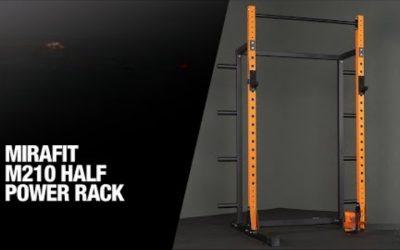
4. Titan T-3 Series Power Rack
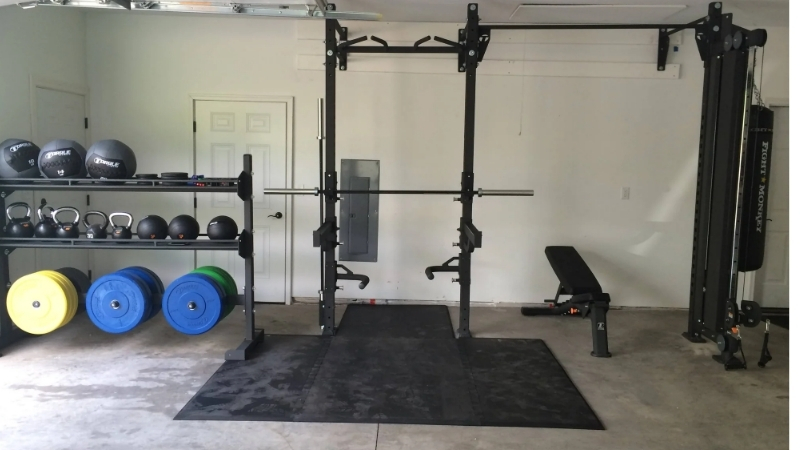
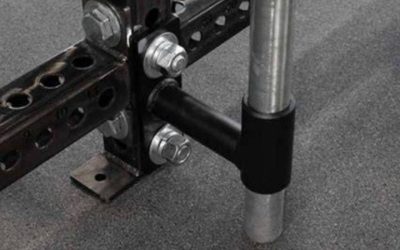
Eleven-gauge steel with pins and J-cups as the only replaceable parts. It enables squatting and pressing alone with safeties set, which is a capability no other item here provides, and the frame itself will realistically last decades.
It claims roughly 12 sq ft permanently, stands over 80 in (203 cm) so low ceilings rule it out, and is freight-delivered and awkward to resell. The space cost, rather than the purchase cost, is what makes or breaks this one in a shared room.
5. Concept2 RowErg
The clearest example of equipment you cannot outgrow, because resistance scales with your own effort rather than a setting. Parts remain available for very old units, it separates for storage, and second-hand demand keeps resale value unusually high.
It needs about 96 in (244 cm) of clear length in use, which many rooms cannot offer, and the chain and flywheel produce noise that carries through floors in a flat. The chain and seat rollers are routine maintenance items rather than faults.
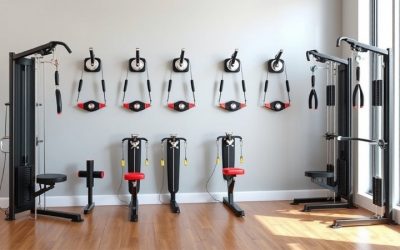
6. Body-Solid Powerline P2X
A compact selectorised stack with a two-second pin change, which is the practical advantage that keeps multi-user households training instead of queuing. Stations cover pressing, pulldowns and low pulley work on a frame tighter than a full multi-gym.
Cables and bushings are consumables and must be replaceable years later, the stack sets a firm ceiling once pulley ratio is applied, and the footprint is permanent. Resale is softer than for bars and plates because buyers are fewer.
Frequently Asked Questions
Questions about the best home gym products usually come down to how to compare items that cost very different amounts. Each answer below works from service life, consumables and floor space rather than from the purchase price alone.
How Do I Estimate Cost Per Session?
Take the purchase price plus expected consumables over the period, then divide by sessions. Three uses a week for five years is roughly 780 sessions. Do the same for a cheaper item you would replace twice in that window and compare the two figures.
Does a Subscription Change the Maths?
Substantially. An ongoing fee is added to the numerator every year, and equipment that loses core function without an active account also sells for less later. Check what the hardware still does offline before treating it as a long-term purchase.
What Holds Value Best?
Bars, plates and kettlebells, followed by well-known rowers and racks. They have few failure modes, inspect easily and never become obsolete. Anything with proprietary electronics or app dependency depreciates fastest and has the smallest pool of buyers.
Is Cheap Equipment Ever the Right Call?
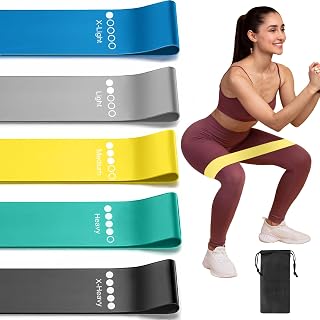
Yes, when it fills a pattern you have not trained before and you are unsure it will stick. Bands and a doorway bar cost little and answer that question. Once the habit is established, the per-session maths favours buying properly once.
See More:
- Best changeable dumbbells
- Best rated yoga mat
- Best mat yoga
- Best home gym equipmen
- Best fitness equipment for home gym
Final Thoughts
Rating the best home gym products by cost per session changes the shortlist entirely: mechanical simplicity, replaceable parts and a ceiling you cannot outgrow beat feature lists every time. Factor in floor space and resale, and check what any connected product still does offline.

Write Your Review
No reviews yet. Be the first to share your experience!