
Key takeaways
What's inside
Best shoes for the treadmill favor breathability and low weight over heavy outsole rubber, because a smooth belt and warm indoor air change what your feet need. This best shoes for the treadmill guide compares breathability, cushioning, weight, and fit so you land a pair built for indoor miles instead of the open road.
As an Amazon Associate we earn from qualifying purchases at no extra cost to you. Product prices and availability are accurate as of the date shown and are subject to change.
By Chris Parker
🛒 Best Price Today on Amazon
Prime members get fast, free shipping on everything above, plus member-only deals. New members get a 30-day free trial — cancel anytime.
Start 30-Day Prime Free Trial →See Today’s Amazon DealsHow to Choose the Best Shoes for the Treadmill
The best shoes for the treadmill balance four traits: an upper that breathes in warm indoor air, cushioning matched to your pace, a low enough weight for repetitive strides, and a fit that keeps your foot planted. Nail those and indoor sessions feel easy. Because most indoor training is easy to moderate, the right pair leans lighter and airier than a road shoe.
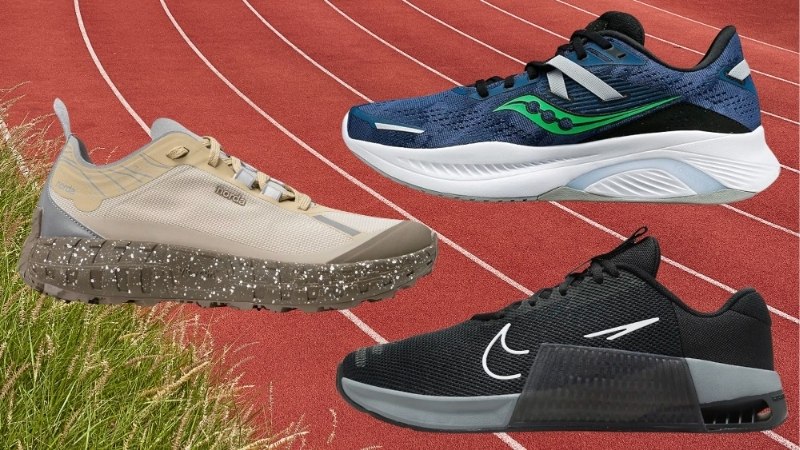
Breathability for Indoor Air
Indoor air is warm and still, so feet heat up faster than they do outside. An engineered mesh upper, like Nike’s Flymesh or the On Cloudrunner 2’s ventilated mesh, moves heat and sweat out to keep the foot cooler through a long session.
Padded, plush uppers built for cold outdoor runs feel stuffy on the belt. If you sweat heavily or train long indoors, treat a breathable upper as a core requirement rather than a bonus. Feet that overheat end more indoor sessions than tired legs do.
Cushioning for Your Pace
The treadmill deck already softens each step, so you do not need the maximum stack to stay comfortable. Balanced trainers like the Brooks Ghost cover most paces, while max-cushion shoes like the Hoka Clifton 10, at roughly a 42 mm heel stack, suit longer, slower miles.
Faster sessions favor a lighter, firmer shoe with more response. Choose a cushioning level that feels good at the pace you actually run or walk most, not the softest option on the wall.
Weight and Responsiveness
Because the belt does part of the work, a lighter shoe feels less jarring over repetitive strides. Everyday trainers land near 9 to 10 oz (255 to 285 g), while lightweight options like the Saucony Kinvara 15 drop to about 7.8 oz (221 g) for speed work.
Heavier, plush shoes trade snap for softness, which suits easy days and walking. Decide whether you want quick turnover or cushioned comfort before you buy.
Fit and Sizing
Fit is the single biggest reason running shoes get returned, and a hot foot swells over a long indoor session. Leave about a thumb’s width (roughly 1 cm) at the toe, and note that some shoes, like the Nike Pegasus, run shallow, so higher-volume feet often size up a half size.
Sizing is not consistent between brands, so your usual number is only a starting point. Measure your foot length in the evening when it is largest, check the brand’s size chart in cm, and confirm your real size before ordering.
Top Picks for the Best Shoes for the Treadmill
These picks span lightweight speeders to plush cruisers, all suited to indoor miles. Whichever best shoes for the treadmill you choose, match the fit to your measured foot before buying.
| Shoe | Weight | Drop | Type | Best For | Tier |
|---|---|---|---|---|---|
| Nike Pegasus | ~9.9 oz | 10 mm | Neutral | All-round | Mid |
| Brooks Ghost | ~10.1 oz | 10-12 mm | Neutral | Daily comfort | Mid |
| On Cloudrunner 2 | ~10.4 oz | Moderate | Neutral | Breathability | Mid |
| Hoka Clifton 10 | ~9.8 oz | 5 mm | Max cushion | Long runs | Mid |
| Saucony Kinvara 15 | ~7.8 oz | 4 mm | Lightweight | Speed | Mid |
| ASICS Gel-Nimbus 26 | ~10.9 oz | 8 mm | Plush neutral | Easy miles | Premium |
Nike Pegasus – Best Overall
The Pegasus is the versatile default, with a breathable Flymesh upper, ReactX foam, dual Air Zoom units, a 10 mm drop, and a moderate 9.9 oz (280 g) weight. It handles easy runs, tempo work, and intervals equally well on the belt.
The shallow toe box may crowd higher-volume feet, so size up a half if needed. As a do-everything treadmill shoe, it fits the most runners. Its wide availability also makes it easy to replace once the foam wears down.
Brooks Ghost – Best Daily Comfort
The Ghost is the comfortable neutral trainer, with DNA Loft v3 cushioning that feels great on a softer deck and a 3D Fit Print upper that breathes and locks the foot in. Brooks backs it with a 90-day try-and-return guarantee.
It rides comfortable rather than energetic, so speed sessions feel muted. For daily indoor miles where comfort matters most, it is hard to beat.
On Cloudrunner 2 – Best Breathability
The Cloudrunner 2 leads on airflow, with a ventilated engineered mesh upper and a secure lacing system that keeps a sweaty foot locked in. A wide-friendly fit and clean look make it comfortable for long indoor sessions.
On’s ride can feel firmer than soft foam, which some runners dislike on long runs. For keeping feet cool on the belt, it is a standout. The clean look also means it passes as a casual sneaker off the belt.
Hoka Clifton 10 – Best for Long Runs
The Clifton delivers plush, tall cushioning at a light 9.8 oz (278 g), with a roughly 42 mm heel stack and a 5 mm drop that ease longer, slower treadmill runs. The mesh upper keeps it from feeling stuffy indoors.
The fit runs narrow for some, and the tall stack costs a little stability at speed. For cushioned long runs, it is a favorite.
Saucony Kinvara 15 – Best for Speed
The Kinvara is the lightest pick at about 7.8 oz (221 g), with a low 4 mm drop and a breathable mesh upper that keeps feet cool through fast belt sessions. It encourages quick, natural turnover.
Its trimmed cushioning is not suited to heavier runners or very long runs, and it wears sooner than plush shoes. As a light indoor speed shoe, it flies, and the quick turnover it encourages is a real asset during interval work.
ASICS Gel-Nimbus 26 – Best for Easy Miles
The Gel-Nimbus is the soft cruiser for easy days and walking, with an FF Blast+ midsole and roughly 8 mm drop that soak up impact over long, steady miles. It is a favorite for comfort-first indoor training.
At about 10.9 oz (309 g) it is heavy, and the plush upper can run warm indoors, so heavy sweaters should watch breathability. For cushioned comfort, it delivers, just pair it with breathable socks if you tend to run hot on long sessions.
Frequently Asked Questions
Runners weighing the best shoes for the treadmill usually ask whether indoor running needs anything special and how long shoes last.
Are treadmill shoes different from road shoes?
Any well-fitting road shoe works on a treadmill, so they are not strictly different. Because the belt is gentle on outsoles and indoor air is warm, though, lighter and more breathable shoes make indoor sessions more comfortable than heavy, tough-outsole road shoes.
Do I need cushioning if the belt already absorbs shock?
Some cushioning still keeps long sessions comfortable, but you do not need the maximum stack. Because the deck softens each step, a balanced trainer often feels better on the belt than a very soft, tall shoe that can feel unstable.
How long do treadmill shoes last?
Road shoes typically last 300 to 500 miles (about 480 to 800 km), and a treadmill-only pair often reaches the top of that range because the belt wears the outsole slowly. Replace them when the midsole feels flat, not just when the tread looks worn.
Can the same shoe work for walking and running?
Yes, a balanced neutral shoe like the Brooks Ghost handles both walking and running on the belt. If you mostly walk, a roomier, more supportive shoe may feel better, while dedicated runners can favor a lighter, more responsive option.
See More:
- best barbell
- best barbell in the world
- best rowing machine for home
- best buy for treadmill
- treadmill at best buy
Final Thoughts
The best shoes for the treadmill are lighter, breathable, and fitted to your foot, since indoor miles reward airflow and low weight over deep outsole rubber. Match the cushioning to your pace, measure your foot before ordering, and a versatile trainer like the Nike Pegasus will cover most indoor training with ease.
As an Amazon Associate we earn from qualifying purchases at no extra cost to you. Product prices and availability are accurate as of the date shown and are subject to change.


Write Your Review
No reviews yet. Be the first to share your experience!