
Key takeaways
What's inside
Best shoes for walking on treadmill sessions need cushioning, support, and breathability far more than aggressive tread, since a smooth belt and long, steady steps change what your feet want. This best shoes for walking on treadmill guide compares cushioning, support, sole type, and fit so indoor walks stay comfortable mile after mile.
As an Amazon Associate we earn from qualifying purchases at no extra cost to you. Product prices and availability are accurate as of the date shown and are subject to change.
By Chris Parker
🛒 Best Price Today on Amazon
Prime members get fast, free shipping on everything above, plus member-only deals. New members get a 30-day free trial — cancel anytime.
Start 30-Day Prime Free Trial →See Today’s Amazon DealsHow to Choose the Best Shoes for Walking on Treadmill
Choosing the best shoes for walking on treadmill use comes down to four things: cushioning that stays comfortable over repetitive steps, support and a sole shape that suit incline walking, an upper that breathes in warm indoor air, and a fit that keeps your foot planted. Get those right and long walks feel easy.
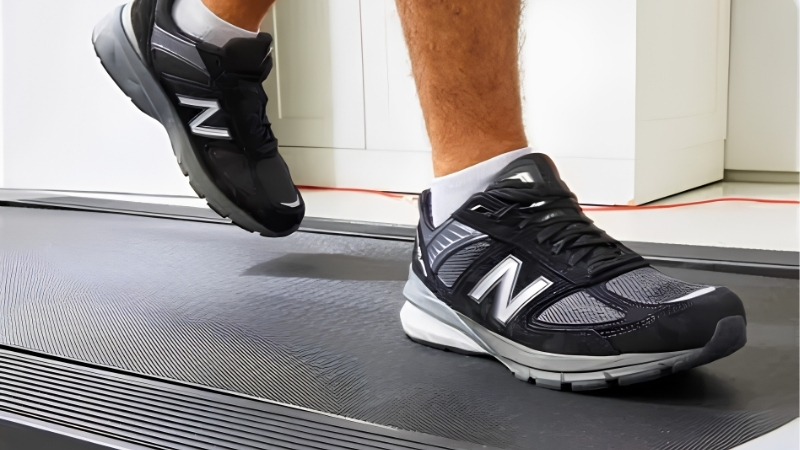
Cushioning for Repetitive Steps
Walking loads your feet thousands of times per session at a steady heel-strike, so soft, consistent cushioning matters more than the bounce a runner needs. Max-cushion shoes like the Hoka Bondi 9, with roughly a 41 mm heel stack, soak up impact, while balanced trainers like the Brooks Ghost feel plush without being tall.
The belt already softens each step, so you do not need the very softest shoe on the shelf. Pick a cushioning level that feels supportive rather than mushy, since too-soft foam can make long walks tiring instead of comfortable.
Support, Stability and Sole Type
Treadmill walking, especially at an incline, rewards a stable platform. A shoe that resists twisting and does not fold easily in half gives your midfoot support, and a flat, grippy outsole like the Brooks Ghost’s keeps you steady on the belt.
Rocker soles, pioneered by Hoka, roll you forward smoothly and suit many walkers, but they feel less stable to some. If you want maximum stability or you walk at a steep incline, a traditional flat sole is the safer pick; try both if you can.
Breathability for Indoor Heat
Indoor air is warm and still, so feet heat up over a long walk. A breathable mesh upper, found on the Brooks Ghost and Skechers GO WALK, vents heat and sweat to keep the foot cooler and drier through a full session.
Leather walking shoes like the Brooks Addiction Walker offer great support and durability but run warmer, so heavy sweaters should weigh that trade-off. For long indoor walks, a ventilated upper is usually the more comfortable choice.
Fit and Sizing
Fit is the single biggest reason walking shoes get returned, and a foot swells over a long, steady walk. Leave about a thumb’s width (roughly 1 cm) at the toe, look for a roomy toe box so toes can splay, and make sure the heel locks without slipping.
Sizing is not consistent between brands, and many walking shoes come in narrow, wide, and extra-wide widths. Measure your foot length in the evening when it is largest, check the brand’s size chart in cm, and confirm your real size and width before ordering.
Why Treadmill Walking Took Off
Incline treadmill walking routines and compact under-desk walking pads have turned steady indoor walking into one of the most popular ways to train at home. That shift has pushed demand toward cushioned, supportive walking shoes rather than the thin, flat sneakers people once wore on the belt.
Incline walking also loads the calves and forefoot differently than flat strolling, so a secure heel and a stable, cushioned platform matter more as the grade climbs. The upside for shoppers is a deep field of purpose-built walking shoes across every budget; the catch is that many road-running models are marketed for walking without the wider fit and support long walkers actually want. Reading the width options, sole stiffness, and stack height tells you far more than the color range does.
Top Picks for the Best Shoes for Walking on Treadmill
These picks span plush max-cushion shoes to supportive stability options, all suited to long indoor walks. Whichever best shoes for walking on treadmill you choose, confirm the fit and width against your measured foot before buying.
| Shoe | Cushioning | Sole | Widths | Best For | Tier |
|---|---|---|---|---|---|
| Brooks Ghost / Ghost Max | Balanced-plush | Flat, grippy | Narrow to X-wide | All-round | Mid |
| Hoka Bondi 9 | Max (~41 mm) | Rocker | Standard, wide | Joint comfort | Premium |
| Hoka Clifton 10 | Max, lighter | Rocker | Standard, wide | Light cushion | Mid |
| New Balance 1080 | Plush | Flat | Standard to X-wide | Wide feet | Premium |
| Skechers GO WALK 8 | Light, soft | Flat | Standard, wide | Budget, easy on | Budget |
| ASICS GT-2000 14 | Firm, supportive | Flat | Standard to X-wide | Stability | Mid |
| Brooks Addiction Walker 2 | Firm, supportive | Flat | Standard to X-wide | All-day support | Mid |
Brooks Ghost / Ghost Max – Best Overall
The Ghost line is the do-everything walking pick, with balanced DNA Loft cushioning, a breathable mesh upper, a grippy flat outsole, and a huge range of widths. The Ghost Max adds extra stack and a smoother rocker for walkers who want more underfoot, and both carry the APMA Seal of Acceptance.
Some testers note mild overpronation help is limited, and it is not a dedicated motion-control shoe. For most treadmill walkers, though, its blend of comfort, support, and width options makes it the safest first buy.
Hoka Bondi 9 – Best Max Cushion
The Bondi 9 is the plushest pick, with a roughly 41 mm heel stack that floats over each step and soaks up impact for walkers who want maximum softness. Durable rubber pods on the outsole grip well, and it stays reasonably light for how much foam it packs.
That tall stack feels less stable to some, and the snug, warmer upper can run hot indoors. For long, cushioned indoor walks where comfort is everything, it is a crowd favorite.
Hoka Clifton 10 – Best Light Cushion
The Clifton offers Hoka’s cushioned, rockered ride at a lighter weight of about 9.8 oz (278 g), with a roughly 42 mm heel stack and a 5 mm drop. It suits walkers who want plenty of foam without the heft of a max shoe.
The fit can run narrow, so wide feet should size carefully or look elsewhere. As a light, cushioned walker, it is an easy shoe to log miles in.
New Balance Fresh Foam X 1080 – Best for Wide Feet
The 1080 pairs a plush, soft midsole with a 6 mm drop and a fit that welcomes wider and higher-volume feet, offered up to extra-wide. It is comfortable for long walks and doubles as an all-day standing shoe.
The soft platform feels less stable for some and sits at a premium price. If width and cushioning are your priorities, it is one of the coziest walking options available.
Skechers GO WALK 8 – Best Budget and Easy On
The GO WALK line is the value pick, with lightweight ULTRA GO cushioning, a breathable knit upper, and available hands-free slip-in entry that makes it easy to step into for a quick walk. It covers everyday fitness walking at a budget price.
It is not built for high mileage or running, and the softer foam packs down sooner than premium shoes. As an affordable, convenient walking shoe, though, it delivers strong value.
ASICS GT-2000 14 – Best Stability
The GT-2000 is the supportive pick, using a 3D Guidance System with high sidewalls and a wide platform to cradle the foot and steady your stride. That structure suits walkers who overpronate or want extra support at incline.
It rides firmer and heavier than plush neutral shoes, and the upper breathes a little less. For stability-focused indoor walking, it is a dependable choice.
Brooks Addiction Walker 2 – Best All-Day Support
The Addiction Walker is the max-support, all-day shoe, with a leather upper, motion-control structure, and a slip-resistant outsole built for long hours on your feet. It is a favorite for walkers who need serious support and durability.
The leather runs warm and the shoe looks and feels heavier and more orthopedic than modern trainers. For all-day support on the belt and off, it is hard to beat.
Frequently Asked Questions
Shoppers weighing the best shoes for walking on treadmill use often ask whether walking needs its own shoe and how to choose a sole.
Do I need walking-specific shoes, or will running shoes work?
Cushioned neutral running shoes like the Brooks Ghost work well for treadmill walking, so you do not strictly need a walking-only shoe. Dedicated walking shoes add a roomier toe box, more support, and often wider widths, which many walkers find more comfortable over long, steady sessions.
Flat sole or rocker sole for treadmill walking?
A rocker sole rolls you forward smoothly and suits many walkers, while a flat sole feels more stable, especially at a steep incline. Neither is universally better, so try both styles if you can and pick the one that feels steadier under your stride.
How often should I replace walking shoes?
Most walking shoes last several hundred miles, but replace them when the midsole feels flat or the support fades, not just when the outsole looks worn. Because a treadmill belt is gentle on outsoles, the cushioning usually wears out before the tread does.
Are slip-in shoes okay for treadmill walking?
Yes, hands-free slip-ins like the Skechers GO WALK are convenient for easy walks, as long as the heel still locks securely. Just make sure the shoe does not loosen mid-walk, since a sliding heel causes blisters over a long session.
See More:
- best barbell
- best barbell in the world
- best rowing machine for home
- best buy for treadmill
- treadmill at best buy
Final Thoughts
The best shoes for walking on treadmill sessions put cushioning, support, breathability, and a roomy, secure fit ahead of aggressive tread, since long indoor walks reward comfort over grip. Match the cushioning and sole type to your stride, measure your foot and width before ordering, and a versatile option like the Brooks Ghost will keep your indoor walks comfortable for months.
As an Amazon Associate we earn from qualifying purchases at no extra cost to you. Product prices and availability are accurate as of the date shown and are subject to change.


Write Your Review
No reviews yet. Be the first to share your experience!