
Key takeaways
What's inside
Best yoga mat thickness is not one number, because a 4 mm dense rubber mat behaves nothing like a 4 mm sheet of soft PVC foam does underfoot. This roundup compares six mats across the 3 to 10 mm range on material density, stability in standing poses, comfort on the floor, and how each mat travels and ages over time.
As an Amazon Associate we earn from qualifying purchases at no extra cost to you. Product prices and availability are accurate as of the date shown and are subject to change.


#2 Pick

#3 Pick

#4 Pick

#5 Pick

#6 Pick

#7 Pick

As an Amazon Associate we earn from qualifying purchases at no extra cost to you. Product prices and availability are accurate as of the date shown and are subject to change.
By Chris Parker
🛒 Best Price Today on Amazon
Prime members get fast, free shipping on everything above, plus member-only deals. New members get a 30-day free trial — cancel anytime.
How to Choose the Right Yoga Mat Thickness
Best yoga mat thickness on its own tells you almost nothing, because density does most of the real work. A dense 4 mm rubber mat protects the knees in Half Pigeon while staying stable in Tree Pose, while a soft 8 mm foam mat can still leave the joints sore, because the material compresses unevenly rather than supporting them properly.
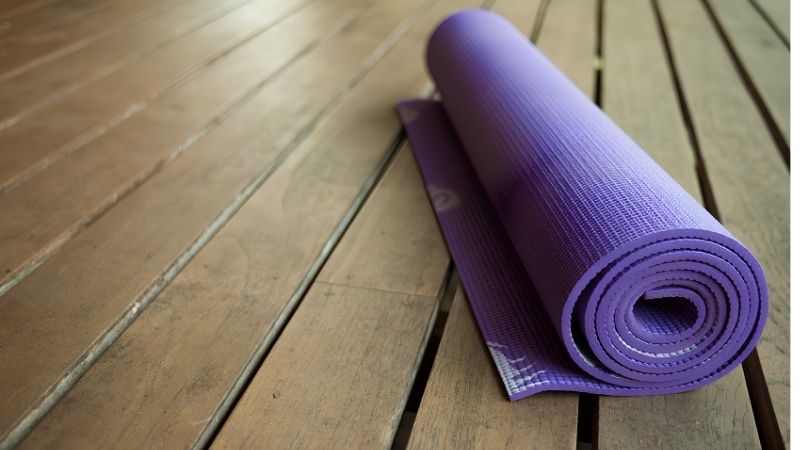
Practice Style, Floor Type and What Changes the Answer
Choosing the best yoga mat thickness always starts with your own individual style of practice, well before anything else. Dynamic sessions such as Vinyasa, Ashtanga and Power Yoga want a thinner, firmer mat around 3 to 4 mm that keeps the feet firmly anchored through fast transitions between standing poses.
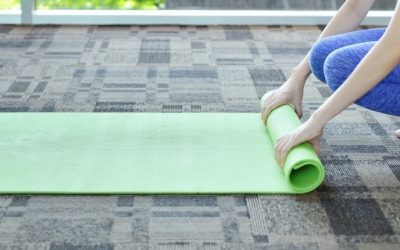
The floor underneath changes the calculation. Hardwood and concrete amplify hardness, so a 5 to 6 mm mat suits those surfaces well. Carpet already provides some cushioning of its own, so a 4 mm mat laid on carpet can feel comparable to a 6 mm mat on bare boards, which often surprises first-time buyers.
A mixed practice, which covers most home yogis, sits perfectly well on 4 to 5 mm regardless of the exact floor type sitting underneath the mat. That range is also the global studio standard, so it doubles as the safest choice for anyone who splits their time between a home mat and rented studio space.
Stability in Standing Poses Versus Cushioning on the Floor
Beyond the best yoga mat thickness of around 6 mm, standing and balance poses become genuinely less stable, because the feet sink slightly into the surface and grounding becomes harder to feel. For strong balance work or any dynamic practice, an 8 mm or thicker mat actually increases the risk of ankle wobble rather than reducing it at all.
Reserve the thicker mats for floor-based and restorative practice, where the extra padding under the hips, knees and spine matters more than a firm connection to the ground through the feet. A dedicated thick mat kept alongside a thinner one is a common and reasonable solution for a mixed home practice.
Material, Weight and Portability
Material affects how a given thickness actually feels underfoot. Natural rubber grips well from the first use and gets tackier as you sweat, but it carries a faint smell at first and is unsuitable for latex allergies. Closed-cell PVC needs breaking in before the grip develops fully, and TPE sits lighter and more affordably in between the two.
Weight scales with both thickness and density together, so a thick, dense mat can end up genuinely quite heavy to carry around. A 6 mm premium mat often weighs 6 to 8 lb (2.7 to 3.6 kg), while a thin 2 mm travel mat can weigh under 3 lb (1.4 kg) and roll neatly into a bag without adding any real weight.
Where the Yoga Mat Market Sits Right Now
The 4 to 5 mm best yoga mat thickness band is unusually crowded because it is where rental studio mats, premium home mats and mid-range synthetic mats all converge. That makes it the easiest range to buy well in, since almost every reputable brand has a genuinely strong option sitting somewhere inside it.
The gap in the category is honest labelling of density alongside thickness. Listings quote millimetres prominently and material composition rather vaguely, which is backwards from what actually predicts comfort, and it pushes careful buyers toward established brands with a known feel, rather than unfamiliar ones judged on spec alone.
Seasonal demand follows the wider fitness calendar, spiking in the first quarter alongside home gym equipment generally. Because mats are light and cheap to ship compared with heavy equipment, discounts on them appear considerably more often across the year than they ever do on racks or cardio machines.
Top Picks: 6 Mats Across the Thickness Range
These six span the useful range of best yoga mat thickness options, from a 3 mm hot-yoga mat to a 10 mm cushioned mat for floor work. Figures below are manufacturer specifications. Anyone with existing joint concerns should speak to a doctor or a qualified instructor before changing equipment or practice.
| Mat | Thickness | Material | Best for |
|---|---|---|---|
| Manduka PROlite | 4.7 mm | Closed-cell PVC | Studio-matched daily practice |
| JadeYoga Harmony | 5 mm | Natural rubber | Grip-first standing poses |
| Manduka PRO | 6 mm | Closed-cell PVC | Long-term durability |
| Manduka eKO | 5 mm | Natural tree rubber | Eco-conscious buyers |
| Gaiam Performance | 6 mm | TPE | Budget cushioning |
| UMINEUX Extra Thick | 10 mm | Rubber and TPE blend | Restorative and floor work |
Manduka PROlite
At 4.7 mm this mat matches the thickness most rental studios use, which makes it the sensible choice for anyone who splits practice between home and a studio. It weighs about 4 lb (1.8 kg), which is light enough to carry regularly, and the closed-cell construction also keeps moisture and bacteria out of the surface.
Like other Manduka mats it needs breaking in, so grip is only average for the first several sessions before it noticeably improves. It is firmer underfoot than a natural rubber mat of the same thickness, which some practitioners prefer for standing poses and others find less comfortable in floor work.
JadeYoga Harmony
Natural rubber grips from day one in a way that PVC mats simply do not, and this is the mat most often recommended to beginners for exactly that reason. At 5 mm it sits in the versatile middle band, the open-cell construction feels springy rather than dense, and it actually improves as you sweat rather than becoming slippery.
It handles moisture less predictably than closed-cell PVC mats do, so hot or very sweaty practice needs a towel laid over the top. The natural rubber also carries a faint smell when it is new, and it is not suitable at all for anyone with a latex allergy. It is longer and narrower than some alternatives.
Manduka PRO
At 6 mm this is the thicker end of what still works for standing poses, and Manduka backs it with a lifetime guarantee that few other mats offer. The density is high enough that it does not create the instability some 6 mm foam mats do, and it is genuinely close to indestructible even with regular daily use.
The weight is the real trade-off here, at around 7.5 lb (3.4 kg), which makes it a poor choice for anyone carrying a mat to a studio on a regular basis. It also needs breaking in like the other Manduka mats, and the price sits well above entry-level options for what is, ultimately, still just a yoga mat.
Manduka eKO
For anyone prioritising material over marketing, this is the natural-rubber option with the lowest environmental footprint in the lineup, made from biodegradable tree rubber through a zero-waste manufacturing process. At 5 mm it sits in the same versatile range as the Harmony but with a noticeably firmer, denser feel underfoot.
Natural rubber mats in general carry more smell when they are new than synthetic ones do, and this is no exception to that rule. It is heavier than a PVC mat of the same thickness, and the open-textured surface can pick up more dust and debris over time than a fully closed-cell mat would ever manage.
Gaiam Performance Yoga Mat
This is the budget entry that still performs, at 6 mm in TPE, which is lighter and more affordable than natural rubber or PVC of the same thickness. It provides enough cushioning for standing and floor poses alike, and the price makes it a sensible first mat before ever committing to anything more expensive.
TPE grips less confidently than natural rubber does, especially once the surface starts to sweat, and its durability over years of regular daily use falls a little short of the premium mats here. At 6 mm it also sits close to the thickness where balance poses can start to feel less stable underfoot.
UMINEUX Extra Thick Yoga Mat
At 10 mm this is deliberately built for floor-based and restorative practice rather than for standing sequences of any kind. The natural rubber and TPE blend cushions knees, hips and the spine substantially during long holds, which matters most in Yin, Restorative and general stretching sessions on a hard floor.
Ten millimetres is well past the point where standing balance work becomes noticeably harder, so this mat suits a second-mat role alongside a thinner one, rather than serving as your only mat at all times. It is also considerably bulkier to store and to carry around than anything else featured in this list.
Frequently Asked Questions
These come up most often from people choosing their very first ever mat, or replacing an old one that simply never quite felt right underfoot at all when they were practising. The answers below assume a home practice on a mix of floor types rather than a single dedicated studio surface with matting.
What is the single best yoga mat thickness for most people?
Around 4 to 5 mm, because it matches the global studio standard, provides enough cushioning for floor poses, and stays stable enough for both standing and balance work. Go thinner only for hot yoga or for travel, and thicker only if floor-based or restorative practice is the main focus of the routine.
Does a thicker mat always mean more comfort?
No, and this is the most common misunderstanding of all. Density matters as much as thickness does, so a dense 4 mm rubber mat can outperform an 8 mm foam mat for joint protection. Mats thicker than 6 mm also reduce stability in standing poses, which works against comfort in a somewhat different way.
Should I own more than one mat?
It is common and entirely reasonable for anyone whose regular practice is genuinely mixed. A 4 to 5 mm mat for standing and dynamic work, plus a thicker 8 to 10 mm mat for restorative sessions, covers both needs without compromising on either one. Most people start with a single mat and add a second later.
How does floor type change the right choice?
Hardwood and concrete amplify hardness underneath, favouring a 5 to 6 mm mat, while carpet already cushions to some degree of its own, so a 4 mm mat can feel similar to a 6 mm mat laid on a hard floor. Consider the floor type as well as the practice style before making any final decision on thickness.
See More:
- Best gym bench for home
- Best weight benches home gym
- Best at home full body workout equipment
- Best resistance bands workout
- Best thickest yoga mat
Final Thoughts
The best yoga mat thickness depends on practice style, floor type and material density working together rather than on a single number. For most home practice, 4 to 5 mm dense material is the safest choice, with a thicker second mat added only if restorative work becomes a regular part of the routine.
Write Your Review
No reviews yet. Be the first to share your experience!