
Key takeaways
What's inside
Best jump rope for speed comes down to three specifications and nothing else: cable diameter, bearing type and the length you set it to. A 2 mm coated steel cable on proper ball bearings turns over far faster than a 4 mm PVC rope, and this guide explains exactly why, how to size one, and what surface to jump on.
As an Amazon Associate we earn from qualifying purchases at no extra cost to you. Product prices and availability are accurate as of the date shown and are subject to change.
As an Amazon Associate we earn from qualifying purchases at no extra cost to you. Product prices and availability are accurate as of the date shown and are subject to change.


By Chris Parker
🛒 Best Price Today on Amazon
Prime members get fast, free shipping on everything above, plus member-only deals. New members get a 30-day free trial — cancel anytime.
Start 30-Day Prime Free Trial →See Today’s Amazon DealsHow to Choose a Speed Rope
The best jump rope for speed and a beginner rope are different tools, and buying the wrong one makes double unders feel impossible rather than merely difficult. The four criteria below explain what makes the best jump rope for speed genuinely fast, starting with the cable itself.
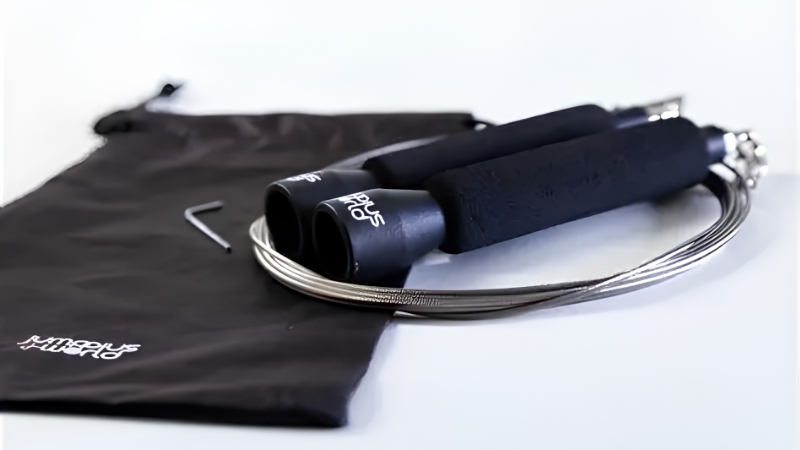
Cable Diameter and Material
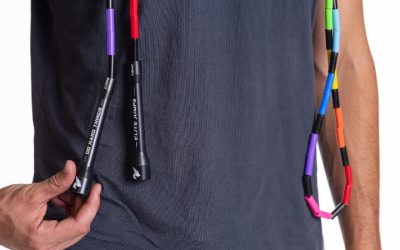
Cables on the best jump rope for speed run 1.8-2.5 mm and are coated steel wire, which has almost no air resistance and holds its shape through a full rotation. Beginner ropes use 4-5 mm PVC, which is more forgiving on mistimed jumps but noticeably slower through the air.
Thinner is faster but considerably less forgiving. A 2 mm cable delivers a real sting on a missed rep, and it kinks permanently if you stand on it or store it folded rather than loosely coiled. Most people learning double unders start at 2.5 mm and move thinner once their timing is consistent.
Bearing Type and Rotation Quality
The mechanism connecting cable to handle decides how freely the best jump rope for speed actually spins. Ball bearings give the smoothest, fastest rotation and are what most dedicated speed ropes use. Bushings are cheaper, adequate for moderate speed, and wear out faster under heavy use.
Watch for cable twist as the giveaway symptom. If the rope starts fighting you after a few hundred reps, the swivel is not clearing properly, and no amount of technique work will fix a mechanism that binds. That is the single most common fault in cheap speed ropes.
Handle Length, Weight and Grip
Handles between 4.5 and 6 in (11-15 cm) suit most people using the best jump rope for speed. Longer handles give more leverage and are easier to learn with; shorter ones are lighter and favoured by experienced jumpers who generate rotation from the wrists rather than the forearms.
Total weight for a speed setup sits near 3-4 oz (85-113 g), which is light enough that you feel the cable turning over rather than the handles in your hands. Aluminium handles cost more than plastic but stay cooler and balance better through long sets.
Sizing, Ceiling Height and Floor Surface
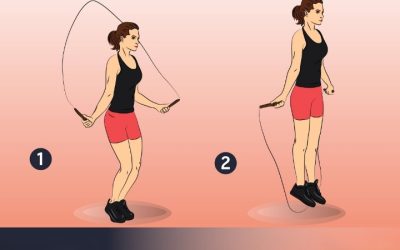
Stand on the middle of the cable and the handles should reach roughly your armpits for general work, or your lower chest for pure speed — a shorter rope turns over faster but demands better timing. Nearly every speed rope ships long and is cut or clamped to fit.
You need about 12 in (30 cm) of clearance above your head, so an 8 ft ceiling works for most adults but a basement often does not. Concrete destroys cables quickly by stripping the coating away; a rubber mat or a wood floor extends cable life several times over, so check what you will be jumping on before you start.
Top Picks: Best Jump Rope for Speed
The six candidates for the best jump rope for speed below range from budget bearing ropes through to competition cables. The table lists cable diameter and mechanism, and each write-up names a genuine drawback so you can weigh speed against how forgiving the rope will be while you learn.
| Rope | Cable | Mechanism | Handles | Price tier |
|---|---|---|---|---|
| WOD Nation Speed Rope | Around 2.5 mm coated | Ball bearing | Around 5 in plastic | Budget |
| EliteSRS Fire 2.0 | Around 2 mm coated | Ball bearing | Around 5 in | Mid |
| RPM Speed Rope | Around 2 mm coated | Ball bearing | Aluminium | Premium |
| DEGOL Skipping Rope | Around 2.5 mm coated | Ball bearing | Memory foam | Budget |
| Survival and Cross Speed Rope | Around 2.4 mm coated | Ball bearing | Around 5.5 in | Budget |
| Crossrope Get Lean Set | Interchangeable weighted | Bearing system | Weighted handles | Premium |
WOD Nation Speed Jump Rope
The standard budget recommendation, and a sensible first speed rope. The 2.5 mm cable is fast enough for double unders while remaining forgiving on a missed rep, and the adjustment system lets you set length without cutting anything permanently.
The plastic handles feel light and slightly cheap next to aluminium alternatives, and the bearing develops noticeable play after months of heavy use. The cable also kinks if stored folded rather than coiled loosely, which is the fastest way to ruin any speed rope.
EliteSRS Fire 2.0
A step up in cable and bearing quality, with a thinner 2 mm cable that turns over faster and a smoother swivel that resists twisting through long sets. For someone who already has double unders and wants to go quicker, this is the natural upgrade.
Thinner cable means a harder sting on mistimed reps, which discourages beginners. It also costs several times a basic rope, and the finer cable is more vulnerable to concrete, so it really wants a mat or a wooden floor.
RPM Speed Rope
Aluminium handles, a fast bearing and a competition-grade cable put this at the top end of the category. The balance through the handle is what separates it, staying stable through hundreds of unbroken reps rather than wandering as your grip fatigues.
It is the most expensive rope here by a clear margin, and it is genuinely unforgiving while you are learning. Replacement cables are an ongoing cost, since a thin competition cable used on abrasive surfaces will not last a year.
DEGOL Skipping Rope
The value pick with memory-foam handles, which are more comfortable during long conditioning sets than bare plastic. The bearing is smoother than the price suggests and the cable is fast enough for most double under work.
The foam handles absorb sweat and eventually start to smell, and they are considerably bulkier than a dedicated speed handle. The adjustment mechanism is also less precise than clamp systems, so getting an exact length takes a couple of attempts.
Survival and Cross Speed Rope
A well-balanced budget option supplied with spare cables, which matters more than it sounds because cables are the consumable part of any speed rope. The slightly longer handles make it easier to learn double unders with than shorter competition handles.
The bearing is adequate rather than exceptional and will feel notchy next to a premium rope after several months. Handle finish also varies between units, with some arriving with rough edges that need a moment with sandpaper.
Crossrope Get Lean Set
Included as the honest alternative: interchangeable weighted cables rather than a pure speed rope. The lighter cable in the set is fast enough for speed work, and the heavier one builds the shoulder endurance that makes long speed sets sustainable.
It is expensive, the handles are heavier than those on a dedicated speed rope, and the swappable cable system is slower to adjust mid-session. If pure rotation speed is the only goal, a thin fixed cable is faster and considerably cheaper.
Frequently Asked Questions
These four questions cover what people most want settled about the best jump rope for speed before buying one — how to size a rope, which cable to start with, whether bearings genuinely matter and how long cables last.
What length should my rope be?
Stand on the cable’s midpoint: handles reaching your armpits is a good general length, and lower chest height is the faster setting for double unders. Start longer and shorten gradually, because you can always cut more but you cannot add cable back.
Which cable diameter should a beginner use?
Around 2.5 mm is the sensible starting point, fast enough for double unders while forgiving enough that a missed rep does not sting badly. Move to 2 mm once your timing is consistent and you want the extra rotation speed.
Do bearings really matter for the best jump rope for speed?
Yes. A binding swivel makes the cable twist and fight you after a few hundred reps, and no technique fixes that. Ball bearings are the difference between a rope that stays smooth through a long set and one that becomes unusable halfway through.
How long does a speed cable last?
Six months to two years depending almost entirely on surface. Concrete strips the coating quickly and the steel underneath frays; a rubber mat or wood floor extends life several times over. Buy a rope with replaceable cables rather than a sealed one.
See More:
- Ankle weights best
- Best rated ankle weights
- Best home workout equipment budget
- Best resistance bands for men
Final Thoughts
The best jump rope for speed is a 2-2.5 mm coated cable on ball bearings, sized to armpit height while you learn and shortened as timing improves. Buy one with replaceable cables, jump on a mat or wood rather than concrete, and check you have 12 in of clearance above your head before your first session.



Write Your Review
No reviews yet. Be the first to share your experience!