
Key takeaways
-
Best Overall: Schwinn IC4 Indoor Cycling Bike
-
Best Premium Bike: Keiser M3i Indoor Cycle
-
Best Connected Magnetic Alternative: Horizon Fitness 5.0 IC
-
Best Midrange Bike: Sunny Health & Fitness SF-B1805
-
Best Friction-Resistance Bike: Schwinn IC3
-
Best Budget Training Bike: Sunny Health & Fitness SF-B1002
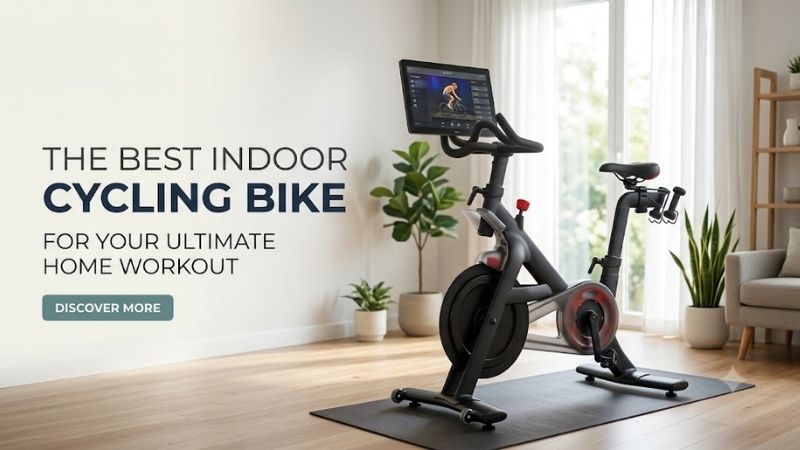
The best indoor cycling bike should provide a stable riding platform, smooth resistance adjustment, and a comfortable position for both seated and standing efforts. Unlike conventional upright exercise bikes, indoor cycles typically emphasize a road-style saddle, performance-oriented riding geometry, and direct resistance control. These six machines address different priorities, from premium studio-style training to affordable independent cycling.
Quick Verdict: Best Indoor Cycling Bikes
The Schwinn IC4 is our best overall choice for most home users because it combines 100 magnetic resistance levels, adjustable riding geometry, dual-sided pedals, and compatibility with popular connected cycling applications.
For premium training hardware, the Keiser M3i is particularly appealing because of its rear-mounted magnetic resistance system and extensive rider adjustment options.
Our recommendations:
-
Best Overall: Schwinn IC4 Indoor Cycling Bike
-
Best Premium Bike: Keiser M3i Indoor Cycle
-
Best Connected Magnetic Alternative: Horizon Fitness 5.0 IC
-
Best Midrange Bike: Sunny Health & Fitness SF-B1805
-
Best Friction-Resistance Bike: Schwinn IC3
-
Best Budget Training Bike: Sunny Health & Fitness SF-B1002
All six are purpose-built indoor cycling machines rather than conventional recumbent or casual upright exercise bikes.
Quick Comparison Table
| Product | Best For | Resistance | Key Advantage | Trade-Off |
|---|---|---|---|---|
| Schwinn IC4 | Overall home cycling | 100 magnetic settings | Adjustable fit, connected apps, dual pedals | Requires external device for video classes |
| Keiser M3i | Premium studio training | Magnetic, incremental adjustment | Rear flywheel and four-way adjustments | Premium equipment cost |
| Horizon 5.0 IC | Electronic resistance training | 100 electronically controlled levels | Compact footprint and SPD-compatible pedals | 250-lb user-weight limit |
| Sunny SF-B1805 | Midrange magnetic cycling | Magnetic | Heavy flywheel and belt drive | Basic onboard electronics |
| Schwinn IC3 | Traditional spin-style exercise | Felt-pad friction | 40-lb flywheel and simple controls | Resistance-pad wear |
| Sunny SF-B1002 | Budget independent workouts | Friction | 49-lb flywheel and straightforward operation | Manual friction maintenance |
How We Selected These Indoor Cycling Bikes
Our comparison focuses on verified resistance systems, drivetrain design, rider adjustment, flywheel specifications where relevant, pedals, frame stability, and workout monitoring.
We also considered how each bike supports different exercise styles. A rider using guided classes may value connectivity and resistance controls, while someone following independent workouts may prefer minimal electronics.
Resistance settings are not universally comparable. One manufacturer’s magnetic level 50 does not necessarily produce the same workload as level 50 on another bike.
These are editorial assessments based on published specifications and practical equipment design, not claims of firsthand testing.
Detailed Product Recommendations
1. Schwinn IC4 Indoor Cycling Bike — Best Overall
Best For: Home users who want studio-style cycling with flexible app compatibility and substantial adjustment options.
Why We Picked It: The Schwinn IC4 combines 100 magnetic resistance levels, four-way handlebar adjustment, a road-style saddle, and dual-sided pedals.
Key Specifications:
-
Resistance: 100 magnetic levels
-
Maximum user weight: 330 lb
-
Dimensions: 54.6 × 30.7 × 51.8 inches
-
Machine weight: 113.6 lb
-
Recommended rider height: 5 ft 1 in to 6 ft 4 in
-
Recommended inseam: 29–39 inches
-
Display: Backlit LCD
-
Pedals: SPD-compatible clips and toe cages
-
Connectivity: Bluetooth
-
Included accessories: Two 3-lb dumbbells and compatible heart-rate armband
-
Power: 110–120V outlet
Features & Benefits
The IC4’s broad resistance adjustment is one of its defining features. One hundred selectable positions provide fine control over training intensity, although the settings should not be interpreted as standardized power measurements.
The bike’s dual-sided pedals accommodate cycling shoes with compatible cleats and athletic shoes secured in toe cages.
This is useful for households where different riders prefer different footwear.
The adjustable handlebars move both vertically and horizontally, allowing users to modify reach and riding posture.
Performance & Practical Use
The magnetic system avoids the physical contact associated with friction-pad resistance. This reduces one common source of maintenance and can make operation relatively quiet.
Bluetooth connectivity allows the IC4 to work with compatible applications, including Peloton, Zwift, and JRNY.
However, app functionality varies, and the bike does not automatically provide every feature available on proprietary connected exercise bikes.
Users should verify compatibility with their preferred application before purchasing.
What Makes It Different: It combines fine magnetic adjustment, broad app compatibility, and flexible rider fit without requiring a large integrated touchscreen.
Pros:
-
100 magnetic resistance levels
-
Dual-sided SPD-compatible pedals
-
Four-way handlebar adjustment and connected features
Cons:
-
Large built-in video display is absent
-
Some app features require separate subscriptions
Buy If: You want a versatile indoor cycling machine for structured sessions and connected workouts.
Skip If: You prefer an all-in-one touchscreen platform or the simplest possible manual controls.
2. Keiser M3i Indoor Cycle — Best Premium Indoor Cycling Bike
Best For: Riders who prioritize durable training hardware, extensive adjustability, and studio-style performance.
Why We Picked It: The Keiser M3i combines a rear-mounted magnetic resistance system, a self-tensioning belt drive, and four-way seat and handlebar adjustment.
Key Specifications:
-
Resistance: Magnetic with incremental adjustment
-
Frame: V-shaped
-
Dimensions: Approximately 51 × 26 × 49 inches
-
Machine weight: 92 lb
-
Supported rider-height range: Approximately 4 ft 10 in to 7 ft
-
Seat adjustment: Four-way
-
Handlebar adjustment: Four-way
-
Drive: Self-tensioning Poly-V belt
-
Display: Cadence, power, gear, heart rate, ride time, and additional metrics
-
Connectivity: Keiser Integrated Technology
Features & Benefits
The rear-mounted flywheel is a significant mechanical distinction.
Positioning the flywheel away from the primary sweat zone can reduce direct moisture exposure compared with designs placing the flywheel under the handlebars.
The V-shaped frame accommodates a broad range of rider heights, while the four-way seat and handlebar adjustments help users establish a more suitable riding position.
The belt-drive arrangement is designed to require minimal routine adjustment.
Performance & Practical Use
The M3i emphasizes a smooth pedaling experience and useful training measurements.
Its console provides cadence, resistance gear, and power-related information, making it suitable for structured indoor cycling.
However, performance readings should still be interpreted according to Keiser’s measurement system rather than assumed to match unrelated cycling equipment.
The M3i is substantially more expensive than basic home cycling bikes. Its value becomes more convincing when the buyer prioritizes frequent use, adjustment range, and long-term serviceability.
What Makes It Different: Its rear-flywheel design, broad rider accommodation, and premium equipment construction.
Pros:
-
Rear-mounted magnetic flywheel
-
Extensive rider adjustment
-
Developed performance-monitoring system
Cons:
-
Premium purchase cost
-
Less suitable for buyers seeking an inexpensive basic bike
Buy If: You expect frequent indoor cycling and value equipment design and fit adjustment.
Skip If: You only cycle occasionally or prioritize the lowest equipment cost.
3. Horizon Fitness 5.0 IC — Best for Electronic Resistance Control
Best For: Buyers who want a compact indoor cycle with electronically controlled magnetic resistance.
Why We Picked It: The Horizon 5.0 IC combines 100 electronically controlled resistance levels with a relatively compact frame and dual-sided pedals.
Key Specifications:
-
Resistance: Electronically controlled magnetic
-
Resistance levels: 0–100
-
Flywheel: 28.6 lb
-
Maximum user weight: 250 lb
-
Dimensions: 47 × 21 × 45 inches
-
Machine weight: 85 lb
-
Pedals: Toe cages and SPD-compatible clips
-
Seat: Vertical and horizontal adjustment
-
Heart-rate connectivity: Bluetooth receiver
-
Power: 120V outlet
Features & Benefits
The 100-level system provides precise resistance selection through electronic controls.
The 28.6-lb flywheel contributes rotational inertia, while the magnetic braking system manages training load.
The dual-sided pedals make the bike suitable for different footwear preferences.
Its 47-inch overall length is shorter than that of several competing indoor cycles, making it worth considering for tighter exercise areas.
Performance & Practical Use
The bike supports structured cycling sessions that involve deliberate changes in resistance.
However, the 250-lb user-weight capacity is lower than that of the Schwinn IC4.
Its electronically controlled system also requires external power, unlike simple manually adjusted friction bikes.
What Makes It Different: It offers electronically controlled resistance and compact dimensions in a conventional indoor cycling format.
Pros:
-
100 electronic resistance levels
-
Dual-sided pedals
-
Relatively compact footprint
Cons:
-
250-lb weight capacity
-
Requires electrical power
Buy If: You want electronically controlled magnetic resistance in a comparatively compact bike.
Skip If: You need a higher weight capacity or equipment that operates without external power.
4. Sunny Health & Fitness SF-B1805 — Best Midrange Magnetic Indoor Cycle
Best For: Buyers who want substantial indoor cycling hardware without paying for a premium connected console.
Why We Picked It: The SF-B1805 combines magnetic resistance with a belt-driven flywheel and adjustable riding components.
Key Specifications:
-
Resistance: Magnetic
-
Flywheel: 44 lb
-
Maximum user weight: 300 lb
-
Drive: Belt
-
Frame: Steel
-
Seat: Adjustable
-
Handlebar: Adjustable
-
Riding style: Studio-oriented indoor cycling
Features & Benefits
The 44-lb flywheel provides substantial rotational inertia, although weight alone does not determine overall pedaling quality.
Its magnetic resistance operates without relying on a friction pad contacting the flywheel.
This can reduce wear at the resistance mechanism and provide relatively quiet operation.
Adjustable seating and handlebars help users establish a comfortable cycling posture.
Performance & Practical Use
The SF-B1805 is especially attractive for independent training.
Riders can control resistance through the manual adjustment system and use an external device for entertainment or workout guidance.
However, buyers who want automatic resistance changes and advanced performance metrics may prefer the Schwinn IC4 or Horizon 5.0 IC.
What Makes It Different: It prioritizes mechanical equipment features over integrated digital functionality.
Pros:
-
44-lb flywheel
-
Magnetic resistance
-
Belt-drive mechanism
Cons:
-
Limited built-in training electronics
-
Manual resistance control
Buy If: You want a conventional magnetic spin bike and do not need extensive connected features.
Skip If: Automatic resistance programming is essential.
5. Schwinn IC3 Indoor Cycling Bike — Best Traditional Friction-Resistance Bike
Best For: Riders who prefer straightforward mechanical resistance and a substantial flywheel.
Why We Picked It: The Schwinn IC3 combines a 40-lb perimeter-weighted flywheel with felt-pad friction resistance.
Key Specifications:
-
Resistance: Felt-pad friction
-
Flywheel: 40 lb
-
Maximum user weight: 300 lb
-
Dimensions: 54.6 × 30.7 × 49.8 inches
-
Machine weight: 103 lb
-
Console: LCD
-
Pedals: Dual-sided SPD-compatible clips and toe cages
-
Console power: Two AA batteries
Features & Benefits
The felt-pad mechanism provides direct manual resistance adjustment.
Unlike an electronically controlled system, it does not require a complex console to determine workout intensity.
The 40-lb flywheel helps maintain rotational momentum during pedaling.
Dual-sided pedals give users a choice between compatible cycling shoes and athletic footwear.
Performance & Practical Use
The IC3 is suitable for traditional spin-style workouts, including changes between seated and standing positions when performed appropriately.
However, felt-pad resistance creates contact wear. The pad should be inspected and replaced according to manufacturer guidance.
The resistance setting is also less suited to exact digital repeatability than electronically controlled systems.
What Makes It Different: It combines a conventional heavy-flywheel cycling design with uncomplicated friction resistance.
Pros:
-
40-lb flywheel
-
Dual-sided pedals
-
Simple operating controls
Cons:
-
Felt-pad maintenance
-
Less precise resistance repeatability
Buy If: You prefer traditional indoor cycling without dependence on digital resistance controls.
Skip If: You want low-maintenance magnetic resistance and app integration.
6. Sunny Health & Fitness SF-B1002 — Best Budget Indoor Cycling Bike
Best For: Beginners and home users who want a traditional indoor cycling machine at an accessible equipment tier.
Why We Picked It: The SF-B1002 combines a heavy flywheel, friction resistance, and a straightforward steel-frame design.
Key Specifications:
-
Resistance: Friction
-
Flywheel: 49 lb
-
Maximum user weight: 275 lb
-
Drive: Belt
-
Frame: Steel
-
Resistance adjustment: Manual
-
Seat and handlebars: Adjustable
-
Intended use: Residential indoor cycling
Features & Benefits
The 49-lb flywheel provides substantial inertia for a budget-oriented exercise bike.
The belt drive supports steady mechanical operation, while the manual resistance knob allows the rider to change workout difficulty directly.
The machine also includes conventional cycling features such as adjustable pedals and riding-position controls.
Performance & Practical Use
The SF-B1002 is appealing for buyers who do not need digital programs.
Its primary limitations involve friction-pad maintenance and the absence of advanced built-in monitoring.
Buyers should also check that the bike’s resistance system and emergency stopping mechanism operate correctly before each session.
What Makes It Different: It emphasizes conventional mechanical cycling hardware rather than connected features.
Pros:
-
49-lb flywheel
-
Belt-drive system
-
Straightforward operation
Cons:
-
Friction-pad wear
-
Limited connected training features
Buy If: You want an affordable, traditional indoor cycling experience.
Skip If: You need quiet magnetic resistance or electronically controlled programming.
Buying Guide: How to Choose the Best Indoor Cycling Bike
Magnetic Versus Friction Resistance
Magnetic resistance uses a braking mechanism that generally does not require physical contact with the flywheel.
This can reduce resistance-system wear and make operation quieter.
Friction resistance applies pressure through a pad or similar component, creating an adjustable braking force.
Friction systems are straightforward but require periodic inspection and potential pad replacement.
Neither type automatically provides a better workout. The main differences involve maintenance, noise, control, and repeatability.
Flywheel Weight and Ride Feel
A flywheel stores rotational energy.
Greater rotational inertia can help the pedals maintain momentum through the cycling stroke.
However, flywheel mass alone does not establish smoothness or performance.
Drive ratio, bearing quality, resistance characteristics, and flywheel placement also influence ride feel.
A well-designed magnetic bike with a lighter flywheel may offer a more controlled experience than a heavy-flywheel model with poor mechanical alignment.
Seat and Handlebar Adjustment
A suitable indoor cycling bike should allow the rider to establish a comfortable pedaling position.
Seat height affects knee extension, while fore-aft positioning changes the relationship between the hips and pedals.
Handlebar height and reach influence torso posture and wrist pressure.
Four-way adjustment is especially useful for households with several riders.
Pedal Compatibility
Indoor cycles commonly use toe cages, clipless cycling pedals, or dual-sided combinations.
Toe cages accommodate athletic shoes, while SPD-compatible pedals require suitable cycling shoes and cleats.
Check the precise compatibility before purchasing accessories.
Do not assume every two-bolt cycling cleat fits every pedal without verification.
Emergency Stop Function
Many indoor cycles include a manual resistance knob that can also function as an emergency stop.
This is especially important on designs where the pedals are mechanically linked to a flywheel that retains momentum.
Users should familiarize themselves with the stopping mechanism before performing high-intensity intervals.
Never attempt to stop a moving flywheel by grabbing it.
Stability During Standing Efforts
Indoor cycling often includes out-of-saddle riding.
The bike must remain stable on the floor and be assembled correctly.
Check frame connections, stabilizers, pedals, and saddle clamps before use.
A high advertised user-weight limit is not a substitute for proper setup.
Console Metrics and App Compatibility
Cycling consoles may display cadence, resistance, estimated power, distance, and heart rate.
However, not every machine calculates power or distance using the same method.
App compatibility also varies. A bike may transmit cadence to an application without supporting automatic resistance control.
Review the specific supported functions rather than assuming all Bluetooth-enabled bikes behave identically.
Noise and Apartment Suitability
Magnetic systems are generally quieter at the resistance mechanism than friction-pad systems.
Belt drives may also reduce some mechanical noise compared with other drivetrain arrangements.
However, pedal bearings, frame vibration, and user movement can still generate sound.
A protective equipment mat may help reduce floor vibration.
Frequently Asked Questions
Is an Indoor Cycling Bike Better Than an Upright Exercise Bike?
Indoor cycling bikes emphasize studio-style workouts, adjustable riding posture, and potentially vigorous seated or standing efforts.
Conventional upright bikes usually provide a more relaxed riding position.
The best choice depends on fitness preferences and comfort.
Is Magnetic Resistance Better Than Friction Resistance?
Magnetic resistance generally requires less resistance-pad maintenance and offers relatively quiet operation.
Friction resistance can be simpler and more affordable, but the contact pad wears over time.
Does a Heavier Flywheel Make Cycling Harder?
Not necessarily. A heavier flywheel influences rotational inertia, while resistance is determined by the braking system and selected setting.
Maximum workout difficulty cannot be determined from flywheel weight alone.
Can Beginners Use an Indoor Cycling Bike?
Yes. Beginners should establish correct fit, use manageable resistance, and start with controlled seated cycling.
Standing efforts and demanding intervals can be introduced gradually when appropriate.
Do Indoor Cycling Bikes Need Subscriptions?
No. Most basic indoor cycles can operate independently of connected software.
Subscriptions may provide guided workouts, entertainment, and additional training data.
Can I Use Regular Shoes on a Spin Bike?
Many bikes include toe-cage pedals suitable for athletic shoes.
Some offer dual-sided pedals with SPD-compatible clips.
Check the exact pedal design before selecting footwear.
Conclusion
The Schwinn IC4 is the best indoor cycling bike for most home riders seeking magnetic resistance, app compatibility, and extensive adjustments. Choose the Keiser M3i for premium training hardware, the Horizon 5.0 IC for electronic resistance, or the Sunny SF-B1002 for straightforward budget cycling.




Write Your Review
No reviews yet. Be the first to share your experience!