
Key takeaways
What's inside
- 1. Display Technology: E-Ink, Hidden OLED, and Analog Hands
- 2. Battery Life Realities: Coin Cells Versus Rechargeable Lithium-Ion
- 3. Health and Fitness Tracking Capabilities
- 4. Notification Management and Readability
- 5. Build Quality, Materials, and Water Resistance
- 6. Companion App Ecosystem and Software Usability
- 7. Sizing, Case Dimensions, and Strap Compatibility
- Related Guides
- FAQ
- Related Guides
The market for hybrid smartwatches has matured significantly, offering a compelling middle ground for users who want the classic aesthetic of traditional analog timepieces paired with modern health tracking. Finding the right device means cutting through clever marketing terminology and focusing entirely on your daily lifestyle requirements, whether you prioritize battery longevity, notification filtering, or advanced athletic metrics. Because these wearables combine mechanical watch hands with hidden digital displays or subtle smart features, the decision-making process differs entirely from purchasing a standard touchscreen smartwatch.
- 1. Display Technology: E-Ink, Hidden OLED, and Analog Hands
- 2. Battery Life Realities: Coin Cells Versus Rechargeable Lithium-Ion
- 3. Health and Fitness Tracking Capabilities
- 4. Notification Management and Readability
- 5. Build Quality, Materials, and Water Resistance
- 6. Companion App Ecosystem and Software Usability
- 7. Sizing, Case Dimensions, and Strap Compatibility
- Related Guides
- FAQ
- Related Guides
Making the wrong choice often leads to frustration—either because a screen is unreadable under direct sunlight or because the battery requires constant charging, defeating the purpose of a low-maintenance hybrid. To help you navigate the landscape, this guide breaks down the core specifications, design factors, and functional trade-offs that genuinely impact your daily user experience. By understanding what matters most before you buy, you can select a wearable that seamlessly integrates into your wardrobe and fitness routine without compromise.
As an Amazon Associate we earn from qualifying purchases at no extra cost to you. Product prices and availability are accurate as of the date shown and are subject to change.
1. Display Technology: E-Ink, Hidden OLED, and Analog Hands
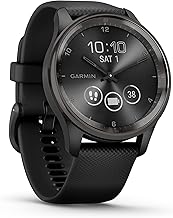
The visual interface is the most critical element of any hybrid watch because it dictates how you interact with your notifications and fitness data. Traditional analog hybrids feature real mechanical hands driven by tiny internal motors, often layered over a subtle, low-power background screen. Some models utilize transparent or hidden monochrome digital panels that only illuminate when you raise your wrist or press a pusher button. Others incorporate full electronic paper or e-ink technology that remains constantly visible without draining significant power. When evaluating display types, consider your daily environment; if you spend long hours outdoors in bright sunlight, high-contrast monochrome or reflective e-ink panels generally outperform hidden OLED screens that rely on backlighting. Furthermore, ensure that the mechanical hands do not permanently obscure crucial notification text, as poorly designed software will force you to wait for the hands to sweep away before you can read a scrolling message.
2. Battery Life Realities: Coin Cells Versus Rechargeable Lithium-Ion
One of the primary selling points of a hybrid timepiece is its extended battery endurance compared to mainstream smartwatches. Depending on the internal architecture, hybrids typically fall into one of two power categories: replaceable coin cell batteries or rechargeable lithium-ion cells. Coin cell models can often operate for many months—and sometimes up to a full year—on a single standard battery, eliminating the need for charging cables entirely. Once the power depletes, you simply swap the coin cell out, much like a traditional quartz watch. Rechargeable hybrids, conversely, usually provide between one to three weeks of battery life per charge, depending on how frequently you use features like continuous heart rate monitoring or backlight illumination. While rechargeable models free you from buying replacement batteries, they still introduce a charging routine into your schedule. Determine your personal tolerance for maintenance before committing to a specific power delivery method.
3. Health and Fitness Tracking Capabilities
While hybrid watches prioritize style and battery efficiency, they still pack an impressive array of internal sensors to monitor your physical well-being. Most quality hybrids include a reliable optical heart rate monitor, an accelerometer for step counting and distance estimation, and basic sleep tracking metrics. However, you must manage your expectations regarding advanced athletic metrics; very few hybrids feature built-in GPS chips, meaning outdoor runners and cyclists usually need to carry a paired smartphone to map their routes accurately. If your primary goal is tracking daily activity, step counts, resting heart rate, and sleep quality, a hybrid will serve you exceptionally well. If you require advanced running dynamics, multi-band satellite tracking, or onboard music storage for standalone workouts, you will likely need to look toward full-fledged fitness smartwatches instead.
4. Notification Management and Readability
Managing wrist distractions is another major reason users gravitate toward hybrid devices over heavily animated touchscreens. Because hybrids rarely feature large, vivid color displays, notification delivery is usually handled via subtle haptic vibrations combined with scrolling text tickers, small indicator dials, or icon alerts. When shopping, examine the companion application’s notification filtering options closely. A robust software suite allows you to select specific messaging apps, emails, and calendar alerts while muting unnecessary social media clutter. Keep in mind that reading long text messages on a tiny hybrid screen can be cumbersome. If you rely heavily on your wrist for replying to messages, taking phone calls, or interacting with complex apps, a hybrid’s minimalist notification approach might feel too restrictive for your daily workflow.
5. Build Quality, Materials, and Water Resistance
Because hybrid smartwatches are designed to be worn continuously across formal and casual settings, build quality and materials play an essential role in long-term satisfaction. Look for cases constructed from durable metals like stainless steel or titanium rather than lightweight plastics, as these materials offer better structural integrity and age more gracefully. Crystal protection is equally important; hardened mineral glass provides decent scratch resistance, but sapphire crystal is the gold standard for preventing unsightly scuffs during everyday bumps and desk work. Additionally, check the watch’s water resistance rating. A minimum of casual splash resistance is standard, but if you plan on swimming or wearing the device in the shower, look for models with proper swim-proof pressure ratings and secure crown seals that prevent moisture ingress over time.
6. Companion App Ecosystem and Software Usability
Even the most elegantly designed hybrid watch is heavily reliant on the quality of its smartphone companion app. This software acts as the central hub for syncing your fitness history, analyzing sleep patterns, updating firmware, and customizing watch face complications or pusher button shortcuts. Before purchasing, read user reviews regarding app stability and Bluetooth syncing reliability. A poorly optimized companion app can lead to frustrating disconnection issues, erratic data syncing, and missing health logs. The best apps present your daily metrics through clean, intuitive dashboards that allow you to track long-term fitness trends without forcing you to dig through overly complicated menus or intrusive advertisements.
7. Sizing, Case Dimensions, and Strap Compatibility
Physical proportions can make or break your experience with a hybrid wearable, particularly because housing internal motors, batteries, and sensors often results in a slightly thicker case than a traditional quartz watch. Measure your wrist circumference carefully and check the manufacturer’s specifications for case diameter and thickness to ensure it will not look overly bulky or feel heavy during prolonged wear. Furthermore, pay close attention to the strap attachment mechanism. Models that use standard spring bars and universal lug widths allow you to easily swap out factory leather or silicone bands for aftermarket straps, giving you the flexibility to customize your watch’s look to match any outfit or athletic occasion effortlessly.
Related Guides
If you are actively comparing current models on the market, be sure to check out our Best Hybrid Smartwatches in 2026: Tested and Ranked for hands-on performance evaluations. Additionally, if you are working with a tighter budget and want to explore alternative form factors, our Best Smartwatches under 100 in 2026: Tested and Ranked guide can help you find affordable options that still deliver core tracking features without breaking the bank.
FAQ
Are hybrid smartwatches good for casual fitness tracking?
Yes, hybrid smartwatches are fantastic for everyday health monitoring, step counts, and sleep tracking. They provide essential metrics without the distracting screens and high battery demands of full smartwatches.
Do hybrid smartwatches require daily charging?
No, most hybrid models offer exceptional battery longevity compared to traditional touchscreens. Depending on whether they use a rechargeable lithium cell or a replaceable coin battery, they typically last anywhere from a couple of weeks to several months on a single power cycle.
Can I track outdoor running routes without my phone?
Most hybrid smartwatches lack built-in GPS sensors to preserve battery life and case slimness. If precise route mapping is important for your runs, you will generally need to carry your paired smartphone with you.
How do mechanical watch hands interact with digital displays?
Manufacturers use clever mechanical engineering to ensure watch hands do not block important text. Many models feature motors that temporarily shift the hands horizontally when a notification arrives, or they utilize transparent or dual-layer screens.


Write Your Review
No reviews yet. Be the first to share your experience!