
Key takeaways
- Pro: Mild, neutral flavor that works across sautéing, roasting, and baking without overpowering other ingredients.
- Pro: Large volume at a mid-range price keeps per-ounce cost competitive with private-label alternatives while carrying a brand name with long retail presence.
- Con: Smooth profile means you lose the peppery finish and grassy notes that polyphenol-conscious buyers specifically seek.
What's inside
Buying extra virgin olive oil used to mean grabbing whatever bottle was within arm’s reach on the grocery shelf. That habit costs money and quality in equal measure. The best extra virgin olive oil on the market in 2026 delivers measurable differences in flavor, smoke tolerance, and polyphenol content — but those differences are hidden behind nearly identical-looking bottles and wildly inconsistent pricing across retailers.
The concrete problem every buyer faces: how do you tell whether a $5.48 bottle is a genuine value or a compromised product sitting next to a $30 bottle that tastes no better? We compared published specs, listed prices, and aggregated owner feedback across these eight bottles to separate the ones worth your counter space from the ones that should stay in the pantry rotation as generic cooking fat. The answers below cover flavor profile, packaging quality, and the price-per-ounce math that actually matters when you pour two tablespoons a day into dressings and sautés.
As an Amazon Associate we earn from qualifying purchases at no extra cost to you. Product prices and availability are accurate as of the date shown and are subject to change.


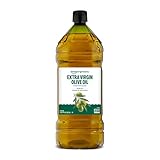


Quick Picks
| Product | Best For | Price |
|---|---|---|
| Pompeian Smooth 2L | Everyday cooking volume | $21.48 |
| Atlas Organic 1L | Polyphenol-focused buyers | $27.94 |
| Pompeian Smooth 3L | Household bulk value | $30.92 |
| Amazon Grocery 51 fl oz | Lowest mid-size cost | $14.50 |
| Graza Sizzle | Convenient squeeze-bottle cooking | $13.49 |
| Atlas Organic 750mL | Tasting and finishing | $22.94 |
| Pompeian Robust 2L | Peppery flavor preference | $19.99 |
| Amazon Grocery Italian 16.9 fl oz | Smallest-budget entry point | $5.48 |
How We Picked
We filtered this category on four criteria that consistently separate strong bottles from weak ones: polyphenol labeling transparency (does the brand publish or reference actual numbers, or does it just say “extra virgin”?), origin specificity (single-country or single-region sourcing signals tighter quality control than vague blend labels), container design (dark glass or opaque bottles that protect against light degradation versus clear plastic that accelerates oxidation), and price-per-ounce value relative to those quality markers. A bottle can score high on one axis and fail on another; the table below reflects those tradeoffs.
The 8 Best Extra Virgin Olive Oil in 2026
Pompeian Smooth Extra Virgin Olive Oil – 68 fl oz (2L)
- Pro: Mild, neutral flavor that works across sautéing, roasting, and baking without overpowering other ingredients.
- Pro: Large volume at a mid-range price keeps per-ounce cost competitive with private-label alternatives while carrying a brand name with long retail presence.
- Con: Smooth profile means you lose the peppery finish and grassy notes that polyphenol-conscious buyers specifically seek.
Choose this if your household goes through oil quickly and you need one reliable bottle for everything from garlic shrimp to salad vinaigrette. Skip it if you want the throat-catching bitterness that signals higher polyphenol content — this is an everyday workhorse, not a finishing oil.
Atlas Organic Extra Virgin Olive Oil, Moroccan, High Polyphenol – 1L
- Pro: Explicitly marketed as high-polyphenol with a stated single origin (Morocco), giving buyers a verifiable quality signal beyond vague “extra virgin” labeling.
- Pro: Organic certification removes a common concern about pesticide residue in conventionally grown olives.
- Con: The premium price positions this well above mainstream bottles, and the one-liter format can mean more than a month between openings for smaller households.
This is the bottle for buyers who treat olive oil as a functional ingredient for health rather than just flavor. If you want peppery, slightly bitter oil and you value transparency about where it grew, this earns its price. Skip it if you need a neutral cooking oil for high-heat frying — the robust character will transfer to delicate dishes.
Pompeian Smooth Extra Virgin Olive Oil – 101 fl oz (3L)
- Pro: Largest format on this list, delivering the best price-per-ounce ratio among name-brand options.
- Pro: Same mild, versatile flavor profile as its 2L sibling, so switching between sizes is seamless.
- Con: Three liters is a lot of oil sitting in your pantry, and once opened, quality degrades faster than smaller bottles you finish within weeks.
Pick this for households that cook with olive oil daily and finish through a bottle in under two months. It rewards volume usage. Skip it if you’re a solo cook or a couple who uses oil sparingly — the degradation clock is not kind to half-finished large containers stored on a warm countertop.
Amazon Grocery Extra Virgin Olive Oil – 51 fl oz
- Pro: Aggressive price makes this the cheapest mid-size option on the list, beating most name brands on raw value.
- Pro: Decent volume without the commitment of a two-liter bottle, so quality stays fresher longer between openings.
- Con: Limited published details on polyphenol levels, origin specifics, or harvest timing — you’re buying a brand name you cannot verify beyond the bottle label.
This is the practical pick for someone who wants to stop overpaying for a commodity product and does not care about terroir or polyphenol numbers. Owner reviews generally confirm it pours clean and tastes inoffensive. Skip it if you’ve acquired a taste for robust, peppery oils — this sits firmly in the neutral category.
Graza Sizzle Extra Virgin Olive Oil – Cooking Oil, 25.3 fl oz (750mL)
- Pro: Squeeze bottle design eliminates the mess and drip of pouring from traditional spouts, and the opaque container protects oil from light.
- Pro: Spanish single-origin and high-polyphenol positioning at a mid-range price undercuts many specialty alternatives.
- Con: Smaller volume means higher per-ounce cost compared to the 2L and 3L Pompeian options if you use oil generously.
This wins for cooks who want functional design and decent polyphenol content without paying full specialty pricing. The squeeze bottle is genuinely useful when you’re drizzling over finished dishes or adding oil directly to a pan. Skip it if you need bulk volume for deep-frying or batch roasting where you’d pour through a measuring cup.
Atlas Organic Extra Virgin Olive Oil, Moroccan, High Polyphenol – 750 mL
- Pro: Same high-polyphenol Moroccan sourcing as the 1L version in a more manageable size, so the oil gets used before quality fades.
- Pro: Lower absolute price than the 1L makes this accessible as an intro to the brand without a big upfront spend.
- Con: Per-ounce cost rises compared to the 1L bottle, so frequent buyers will want to step up to the larger size for value.
Choose this if you’re curious about Atlas’s flavor profile but aren’t ready to commit to a full liter, or if your household finishes 750mL in three to four weeks. It’s the tasting-format version of a serious polyphenol oil. Skip it if you cook for a family of four or more — you’ll want the larger size for practical rotation.
Pompeian Robust Extra Virgin Olive Oil – 68 fl oz (2L)
- Pro: Delivers peppery, assertive flavor and a throat-tingle finish in a large format at a price below the specialty high-polyphenol bottles.
- Pro: 2L volume means the robust character stays available for daily cooking without the per-ounce premium of boutique brands.
- Con: “Robust” is a relative descriptor from Pompeian’s own lineup — it won’t satisfy buyers seeking the intense polyphenol punch that specialty Moroccan or Spanish oils advertise.
This is the middle ground: real flavor without paying a specialty premium. Ideal for people who find Smooth too bland but aren’t ready to spend $25+ per liter on Atlas or Graza. Skip it if you’re specifically buying for polyphenol targets and want published numbers or organic certification backing up the claim.
Amazon Grocery Italian Extra Virgin Olive Oil, First Cold Pressed – 16.9 fl oz
- Pro: Lowest absolute price on the list, making it the easiest entry point to test extra virgin oil in your cooking rotation.
- Pro: Cold-pressed labeling and Italian origin suggest basic quality standards met at minimum cost.
- Con: Small bottle means you’ll rebuy frequently, and published information on polyphenol content or specific region within Italy is absent.
This is the “just give me something better than vegetable oil” choice. It works in salad dressing and low-heat sautéing without drama. Skip it if you’re cooking for two or more regularly — the small size forces constant repurchasing, and the lack of detailed sourcing makes it hard to know exactly what you’re getting beyond the generic label.
Buying Guide
Polyphenol Content: What the Label Actually Tells You
Polyphenols are the compounds responsible for the peppery, slightly bitter taste in fresh extra virgin olive oil, and they’re also the reason health-conscious buyers upgrade from generic oils. Here’s the problem: most mainstream brands, including the Pompeian options above, do not publish specific polyphenol numbers on their labels. A “high polyphenol” claim from brands like Atlas or Graza is a meaningful signal because those producers chose to make that claim visible, but it’s still a category label, not a measurement. If polyphenol content is your primary motivation, look for bottles that reference harvest timing — “peak harvest” language, as Graza uses, typically means olives picked earlier and greener, which correlates with higher polyphenols. A generic “first cold pressed” label, like Amazon Grocery Italian uses, is a baseline processing requirement, not a polyphenol promise.
Origin and Certification: Why “Italian” and “Moroccan” Matter Differently
Stated country of origin is one of the few verifiable quality markers a buyer can check at the shelf. Morocco has become a serious player in olive oil production, and Atlas building its identity around Moroccan sourcing signals a tighter supply chain than a blend sourced from multiple countries. Italian origin carries regulatory weight — EU extra virgin standards are strict on free acidity and sensory evaluation — though “Italian” on a private-label bottle can mean the oil was processed and bottled in Italy from olives imported from elsewhere. Organic certification adds a separate verification layer for pesticide residue. The Pompeian bottles on this list don’t emphasize either origin specificity or organic status, which is typical of their mass-market positioning.
Container Design and Storage: The Factor That Changes Fastest After Purchase
Light and heat are the enemies of olive oil quality. Once you bring a bottle home, its container determines how quickly it degrades. Clear plastic bottles let UV light penetrate and accelerate oxidation — a real problem for the smaller Amazon Grocery bottle sitting on a bright countertop. Dark glass, like the Atlas and Graza bottles, provides meaningful protection. The squeeze-bottle design on Graza Sizzle is practical for two reasons: it limits air exposure per use (no pouring creates a seal behind the nozzle) and the opaque plastic blocks light. Larger formats like Pompeian’s 3L reduce price per ounce but increase the time between opening and finishing, during which quality slowly declines regardless of packaging. If you buy bulk, store the container in a cool, dark cabinet and pour off a week’s supply into a smaller vessel on the counter.
Our Verdict
The overall top pick is Graza Sizzle Extra Virgin Olive Oil. It balances real quality signals — Spanish single origin, high-polyphenol positioning, peak-harvest language — with a genuinely practical squeeze-bottle design that makes it the oil you’ll actually reach for daily, not just admire on the shelf. Its price sits comfortably below the specialty Moroccan alternatives while the opaque container protects the product after opening.
The budget pick is Amazon Grocery Extra Virgin Olive Oil at 51 fl oz. It delivers the lowest per-ounce cost among bottles large enough to last a reasonable household without forcing constant rebuys. You trade origin transparency and polyphenol claims for sheer value, but as a neutral everyday cooking oil, it holds up.
One condition under which another product wins clearly: if your household burns through more than one liter of olive oil per week, the Pompeian Smooth 3L overtakes everything on this list for price efficiency. The volume is its entire argument, but that argument wins when the usage rate is high enough to finish the container before degradation becomes noticeable.
FAQ
Is a higher price always a sign of better olive oil?
No. The price spread in this list runs from $5.48 to $30.92, but that range reflects container size and brand positioning as much as quality. A $22 bottle of small-format specialty oil and a $30 bottle of large-format name-brand oil are solving different problems. The honest signal in pricing is whether a brand invests in origin specificity, polyphenol claims, or dark-glass packaging — those costs show up in the sticker and correlate with real quality differences.
How do I know if my olive oil has gone bad?
Fresh extra virgin olive oil has a fruity, grassy, or peppery nose. Rancid oil smells flat, waxy, or vaguely of crayons and loses all bitterness and throat-tingle. If you pour a small amount and it tastes like nothing — just greasy, neutral fat — the polyphenols have degraded regardless of what the label says. Storing oil in a cool, dark place and using a bottle within one to two months of opening slows this process significantly.
Should I use “smooth” or “robust” for cooking with garlic?
Garlic amplifies and competes with oil flavors, so the choice depends on whether you want the oil to contribute its own character or stay in the background. Smooth oils let garlic and other aromatics shine without adding a peppery counter-note. Robust oils create a layered flavor profile where the garlic and the oil’s bitterness reinforce each other, which works well in Mediterranean dishes like pasta aglio e olio where olive oil is the sauce, not just the cooking medium.
What does “first cold pressed” actually mean on a label?
It refers to the extraction method: olives are ground and pressed once without applying external heat during extraction. Heat and repeated pressing degrade flavor compounds and reduce polyphenol retention. The term has become a marketing label as much as a technical one, since modern centrifugal extraction methods don’t use “pressing” in the traditional sense. In practice, it signals the producer chose not to use high-heat processing, which is good, but it doesn’t guarantee superior quality on its own — origin, harvest timing, and storage conditions all factor in.


Write Your Review
No reviews yet. Be the first to share your experience!