
Key takeaways
- Includes multiple popular Quest flavors so you can identify your favorite without buying single cases
- High protein content with low sugar across all included varieties, keeping the macronutrient profile consistent
- Highest total price in this roundup, which may not suit budget-conscious buyers who already know their preferred flavor
What's inside
Most people grab a protein bar for one of two reasons: they need a quick meal replacement that keeps them full until the next proper meal, or they want a post-workout option that delivers meaningful protein without the sugar crash that comes with ordinary snack bars. The problem is that the “healthy protein bars” category is flooded with products that check one box while quietly sabotaging another — bars that pack 20 grams of protein but hide 15 grams of sugar, or “clean” options that leave you hungry an hour later because the actual protein content is disappointingly low.
What separates a genuinely useful protein bar from a glorified candy bar with marketing spin? Protein density per gram of total weight, the quality and source of that protein, the ratio of sugar to protein, and ingredient transparency. A bar with 20 grams of protein from whey isolate and only 2 grams of sugar serves a fundamentally different purpose than a bar with 8 grams of protein from generic milk powder and 12 grams of added sweeteners. Below, we compared published specs, per-bar pricing, and aggregated owner feedback across eight popular options to help you find the right fit.
As an Amazon Associate we earn from qualifying purchases at no extra cost to you. Product prices and availability are accurate as of the date shown and are subject to change.





Quick Picks
| Product | Best For | Price |
|---|---|---|
| Quest Ultimate Variety Pack | Flavor variety without compromising protein | $26.49 |
| Pure Protein Chocolate Peanut Butter | Highest protein-per-dollar value | $16.97 |
| RXBAR 3-Flavor Variety Pack | Whole-food ingredient lists | $16.98 |
| IQBAR Chocolate Variety Pack | Keto and low-sugar compliance | $24.99 |
| IQBAR Sampler Variety Pack | Trying IQBAR before committing | $14.99 |
| ALOHA Peanut Butter Chocolate Chip | Plant-based eaters wanting great taste | $22.88 |
| Pure Protein Lemon Cake | Non-chocolate flavor preference | $14.99 |
| Quest Chocolate Chip Cookie Dough | Single-flavor loyalty with keto compatibility | $25.57 |
How We Picked
We focused on four criteria that determine whether a protein bar actually delivers on its category promise. First, protein content relative to bar weight — a bar needs to justify its “protein bar” label, not just its packaging. Second, sugar and net carbohydrate content, because many bars undermine their high-protein claims with excessive sweeteners that spike insulin. Third, ingredient quality and dietary compatibility, including whether the protein source is bioavailable and whether the bar fits common dietary frameworks like keto or gluten-free. Fourth, per-bar cost, since protein bars are recurring purchases and value compounds over time.
The 8 Best Healthy Protein Bars in 2026
Quest Nutrition Ultimate Variety Pack
For anyone who gets bored of flavors quickly but refuses to sacrifice protein, this 12-count pack covers multiple Quest profiles in a single purchase, averaging roughly $2.21 per bar. Owners consistently note the texture improvements Quest made to its line — less chalky than older formulations — and the variety pack eliminates the regret of committing to a case of a flavor you discover you dislike.
- Includes multiple popular Quest flavors so you can identify your favorite without buying single cases
- High protein content with low sugar across all included varieties, keeping the macronutrient profile consistent
- Highest total price in this roundup, which may not suit budget-conscious buyers who already know their preferred flavor
Skip this if you have a clear favorite — buying a single-flavor 12-count from Quest would cost less than the variety markup, and you won’t need to sample options you’ve already ruled out.
Pure Protein Chocolate Peanut Butter
With 20 grams of protein per bar at approximately $1.41 each, this is the most cost-efficient high-protein option in the group. The chocolate peanut butter combination is the brand’s best-known flavor, and owners generally find it satisfying as a between-meal snack that curbs appetite due to its dense, chewy texture. The value proposition here is hard to argue against for anyone prioritizing protein-per-dollar.
- 20 grams of protein at the lowest per-bar cost in this roundup, making daily use financially sustainable
- Chocolate peanut butter is the brand’s flagship flavor and draws the most positive owner feedback
- Texture leans chewy and dense, which some owners describe as overly thick or doughy compared to lighter alternatives
Skip this if you prefer a lighter, more crumbly bar or find dense textures unappealing — Pure Protein’s consistency is polarizing among owners who gravitate toward Quest or RXBAR instead.
RXBAR 3-Flavor Variety Pack
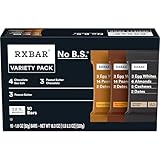
RXBAR occupies a different position in the healthy protein bars space: 12 grams of protein per bar isn’t the highest here, but the ingredient list is remarkably short and recognizable — dates, egg whites, nuts, and nothing resembling a lab. The 10-bar variety pack at roughly $1.70 per bar suits whole-food-oriented eaters who view bars as supplements to a real diet rather than meal replacements.
- Clean, transparent ingredient list with no artificial sweeteners, protein blends, or fillers
- Gluten-free and widely available, making it a safe option for sensitive digestions
- 12 grams of protein is modest for this category, and the natural sugars from dates add up quickly per bar
Skip this if you need serious post-workout protein — 12 grams won’t meaningfully stimulate muscle protein synthesis, and the natural sugar content works against low-carb goals.
IQBAR Clean Protein Bars Chocolate Variety Pack
IQBAR targets a specific buyer: someone who wants to stay in ketosis without giving up the habit of eating a bar. The chocolate variety pack delivers low sugar across 12 bars, and owner reviews frequently highlight that these taste closer to a regular candy bar than typical keto options at $2.08 each. The inclusion of brain-health additives like lion’s mane and MCT oil differentiates them from competitors that focus solely on macros.
- Genuinely low sugar with keto-compliant net carbs, making them usable for strict ketogenic diets
- Owner feedback consistently ranks them among the best-tasting keto protein bars available
- Premium pricing at $2.08 per bar adds up for daily users, and the added nootropic ingredients aren’t relevant for buyers who only care about protein
Skip this if you’re not following a keto diet — you’re paying a premium for low-carb engineering you won’t benefit from, and the protein content isn’t exceptional enough to justify the price for general use.
IQBAR Clean Protein Bars Sampler Variety Pack
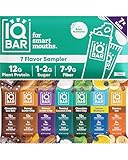
At 7 bars for $14.99, this sampler runs about $2.14 per bar — slightly more per unit than the full chocolate pack but with the advantage of exploring IQBAR’s range before committing. The sampler addresses the real problem with IQBAR’s premium pricing: discovering you only like two of five flavors means wasted money. Owner feedback on the sampler specifically calls it the smart entry point for first-time buyers.
- Low-risk way to test IQBAR’s flavor range and find your match before buying a larger case
- Same clean, low-sugar keto formulation as the full-size packs
- Per-bar cost is the highest in this roundup, and 7 bars won’t last a single committed user more than a week
Skip this if you already know which flavors you prefer — go directly to the chocolate variety pack or a single-flavor option to save on per-bar cost.
ALOHA Organic Plant Based Protein Bar Peanut Butter Chocolate Chip
Plant-based protein bars historically taste gritty and chalky, and owners of this 12-pack at roughly $1.91 per bar frequently say ALOHA is the one that changed their mind. The organic certification, short ingredient list, and peanut butter chocolate chip combination position this as the strongest plant-based option in the group for taste-conscious buyers who don’t want to compromise on ingredient philosophy.
- Among the best-tasting plant-based bars owners report, with texture that avoids the chalky pitfall common in pea or rice protein blends
- Organic, non-GMO, and plant-based — covers three dietary requirements simultaneously without a bloated ingredient list
- Plant protein blends typically have lower bioavailability than whey, meaning the per-bar protein content delivers less effective protein than dairy-based competitors at similar weight
Skip this if you’re post-workout and need rapid amino acid delivery — the plant protein blend digests slower and has a less favorable amino acid profile for muscle protein synthesis compared to whey-based options like Pure Protein or Quest.
Pure Protein Lemon Cake
A refreshing option for people who genuinely dislike chocolate-flavored bars, the Lemon Cake variety matches the standard Pure Protein formula at 20 grams of protein per bar and runs approximately $1.25 each — the lowest per-bar cost in this roundup. Owner feedback on this flavor is more mixed than the chocolate peanut butter, with some finding the lemon taste synthetic, but the value and protein delivery remain unchanged.
- Lowest per-bar price in the group at $1.25, making it exceptionally cost-efficient for high-protein snacking
- Gluten-free and non-chocolate, filling a gap that most brands leave empty for buyers who don’t want cocoa
- Flavor receives more negative reviews than the brand’s chocolate varieties, with owners noting a candy-like or artificial sweetness
Skip this if flavor matters as much as function to you — the lemon cake taste is divisive and the same brand’s chocolate peanut butter earns more consistent praise from owners.
Quest Nutrition Chocolate Chip Cookie Dough
The single-flavor 12-count at roughly $2.13 per bar is slightly cheaper than the variety pack, making it the obvious choice for someone who has already confirmed that chocolate chip cookie dough is their Quest preference. It maintains the brand’s signature low-carb, high-protein formula, and gluten-free and keto-friendly labeling covers multiple dietary needs simultaneously.
- Proven keto-compatible and gluten-free, meeting two dietary restrictions without separate purchases
- Single-flavor pricing undercuts the variety pack for committed fans, delivering modest per-bar savings
- Higher per-bar cost than Pure Protein or RXBAR, and the value advantage only matters if you truly prefer this specific flavor over others
Skip this if you haven’t tried Quest recently — the variety pack at a slightly higher per-bar cost lets you confirm this is still your favorite before committing a full case to one flavor.
Buying Guide
Protein Content and Source Quality
Not all protein bars deliver equal amino acid profiles despite similar gram counts. Whey protein isolate, used by Quest and Pure Protein, has a high biological value and rich leucine content that directly supports muscle protein synthesis. Plant blends like ALOHA’s pea-and-rice combination have lower digestibility scores, meaning the body absorbs a smaller percentage of the listed grams. RXBAR relies on egg whites, which offer good bioavailability but at only 12 grams per bar. Match the source to your goal: post-workout needs favor whey; general snacking is more forgiving.
Sugar, Net Carbs, and Ingredient Transparency
The gap between “protein bar” and “candy bar with protein added” is usually sugar. Bars sweetened with maltitol or large amounts of dates can carry 15-20 grams of sugar per unit, defeating the purpose of choosing a protein bar over a snack. Check net carbs if you follow keto or a low-carb plan. For whole-food preference, short ingredient lists with recognizable items — like RXBAR’s format — signal minimal processing. IQBAR’s low-sugar engineering serves a different buyer than ALOHA’s organic simplicity, and neither is objectively better; they answer different priorities.
Price Per Bar and Purchase Frequency
A protein bar costing $2.50 per unit used daily adds up to $75 monthly, while a $1.25 bar used the same way costs $37.50. Over a year, that difference buys a gym membership or a high-quality blender. The cheapest bar that tastes bad becomes a wasted pantry item, so factor in flavor confidence when comparing per-bar costs. Variety packs and samplers carry a small per-unit premium that functions as insurance against flavor regret — worth the markup for new buyers, unnecessary for loyalists.
Our Verdict
The top pick is the Quest Nutrition Ultimate Variety Pack — it delivers strong protein content, low sugar, and eliminates the single-flavor commitment risk that can make expensive 12-counts a disappointment. The budget pick is Pure Protein Lemon Cake at $1.25 per bar, offering 20 grams of protein for the least money here, provided you can tolerate the flavor profile. If you are strictly keto and taste is non-negotiable, IQBAR’s Chocolate Variety Pack wins over either of those recommendations despite its higher cost.
FAQ
How many protein bars should I eat per day?
One to two bars is a reasonable ceiling for most people, depending on your total daily protein target from whole foods. Bars are calorie-dense and often contain sugar alcohols that cause digestive discomfort in excess. Treat them as supplements to a real diet rather than staples.
Are plant-based protein bars as good as whey-based ones?
For general snacking and convenience, plant-based bars work fine. For post-workout recovery and muscle protein synthesis, whey’s higher leucine content and faster digestion give it an edge. If you eat plant-based, consider bars that combine pea and rice protein to approximate a complete amino acid profile.
Why do some protein bars cause stomach issues?
Sugar alcohols like maltitol and erythritol are common culprits, especially in bars marketed as low-sugar or keto. High protein content combined with fiber additives can also cause bloating in people not accustomed to either. If you experience issues, try bars with short, whole-food ingredient lists first.
What’s the best protein bar for weight loss?
Weight loss comes from a sustained calorie deficit, so the best bar is one that satisfies hunger with fewer total calories while delivering enough protein to preserve lean mass during a deficit. Pure Protein’s 20-gram bars at low cost support this use case, provided you track them within your daily caloric budget rather than eating them on top of normal meals.


Write Your Review
No reviews yet. Be the first to share your experience!