
Key takeaways
- Pro: Ships in good hydrated condition based on owner reports
- Pro: Accurate species labeling reduces substitution risk
- Con: Small footprint limits immediate visual impact in larger tanks
What's inside
Buyers searching for “minecraft seeds java” often land on a surprisingly mixed category of products that share the Java name tag — aquarium plants, coffee bean seeds, and jamun seed powders — all of which attract attention because “Java” appears prominently in the product title or species designation. The concrete problem here is straightforward: when you need a reliable live aquatic plant that ships without damage, or coffee seeds that actually germinate, or a jamun powder that tastes like it did at your grandmother’s kitchen, the marketplace noise makes selection genuinely difficult. Prices in this bracket span from just under seven dollars to nearly thirty, but the gap between the cheapest and most expensive option does not neatly map to quality.
What separates a worthwhile purchase from a disappointing one comes down to species accuracy, portion size relative to the price, and whether the seller can ship a live organism or a perishable botanical product without degradation. Owner feedback consistently flags two failure modes: receiving dried-out moss that should have been hydrated, or getting seed quantities that fall well below the advertised count. Our comparison below sorts through published specs, listed prices, and aggregate owner comments to give you a defensible starting point for any of these Java-named products in 2026.
As an Amazon Associate we earn from qualifying purchases at no extra cost to you. Product prices and availability are accurate as of the date shown and are subject to change.


Quick Picks
| Product (short name) | Best for | Price |
| Java Moss – Vesicularia dubyana (4×6 cm) | Small nano tanks and first-time planted aquarium setups | $7.69 |
| Java Moss Taxiphyllum Barbieri Easy Live | Budget-conscious hobbyists scaling up gradually | $8.67 |
| Swimming Creatures Java Moss (25 sq inch) | Larger aquascapes needing a single large anchor mass | $21.98 |
| Coffea Seeds for Planting (60+) | Outdoor gardeners wanting a generous initial planting volume | $7.29 |
| MB Herbals Jamun Seed Powder 227g | Regular supplement users needing a long supply window | $9.99 |
| Canton Aquatics Java Moss 5-Pack | Breeders or multi-tank hobbyists needing separate portions | $29.39 |
| Coffea Seeds for Planting (57+) | Experimenters who want variety without overspending | $6.99 |
| Exotic Veda Jamun Seed Powder 100g | Casual users testing jamun powder for the first time | $6.99 |
How We Picked
Three criteria drove our ranking. First, species or product authenticity: does the listing accurately name the organism or botanical material, and do owner reports confirm it arrived as described? Second, value per unit — we compared the advertised quantity against the listed price to identify portions where you are paying a markup for packaging alone versus those where the count or weight justifies the number on the label. Third, shipping survivability: live aquatic moss and germination-rate-sensitive seeds fail differently in transit, and we weighted listings whose sellers showed consistent positive feedback on arrival condition. A fourth consideration is versatility — can the product serve more than one purpose in a tank or garden, or does it force you into a single narrow use case?
The 8 Best Minecraft Seeds Java in 2026
Java Moss – Vesicularia dubyana (4×6 cm)
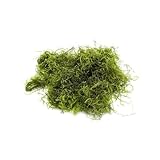
This is the classic entry-level option for anyone stocking a nano cube or a 5- to 10-gallon tank for the first time. The 4×6 cm sheet size gives you a meaningful starting patch without overwhelming a small aquascape or forcing you to trim heavily on arrival. Owners praise the hydration level it ships in, noting it arrives turgid rather than desiccated, which is not universal at this price point. The species name Vesicularia dubyana appears prominently in the listing, reducing the confusion between true Java moss and look-alike species that sellers sometimes substitute.
- Pro: Ships in good hydrated condition based on owner reports
- Pro: Accurate species labeling reduces substitution risk
- Con: Small footprint limits immediate visual impact in larger tanks
Skip this if your tank exceeds 20 gallons and you want instant coverage rather than a starter patch that expands over several months.
Java Moss Taxiphyllum Barbieri Easy Live Aquarium Plant
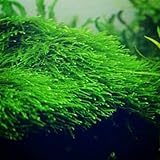
The Taxiphyllum Barbieri designation covers what many hobbyists colloquially call Java moss, and this listing positions itself as the easy, forgiving option for people who have killed plants before. At $8.67, it sits just above the cheapest sheet option but below the bulk portion packs, making it a sensible middle ground for hobbyists who want a bit more material to work with. Owner feedback highlights its tolerance for variable lighting, which matters if your tank sits near a window rather than under a dedicated fixture.
- Pro: Forgiving under inconsistent lighting conditions
- Pro: Moderate portion size avoids the “too little to be useful” problem
- Con: Naming overlap with Vesicularia dubyana listings can cause duplicate purchases
Skip this if you already own a Taxiphyllum patch and want a different species for visual variety in the same tank.
Swimming Creatures Java Moss (25 sq inch Portion)
This portion targets aquascapers building a larger display or a breeder needing to carpet a substantial area in one purchase. At 25 square inches and $21.98, the per-square-inch cost is competitive when you factor in the labor saved by not stitching together multiple small mats. The Swimming Creatures brand shows up with consistent positive owner commentary about packaging integrity — the moss arrives secured rather than loose in the bag, which prevents shredding during transit.
- Pro: Generous single mass reduces assembly time
- Pro: Reliable packaging that minimizes transit damage
- Con: Higher upfront cost may deter beginners testing their interest
Skip this if you are still deciding whether moss belongs in your tank at all; start with a smaller portion first.
Coffea Seeds for Planting, 60+ Coffee Bean Garden Seeds
This listing offers the largest advertised seed count in the coffee category at 60-plus non-GMO heirloom Coffea Arabica seeds for $7.29. For outdoor gardeners in warm climates or anyone running a heated greenhouse, the quantity allows you to attempt a stand rather than a single specimen, which improves the odds of successful germination. The perennial framing means these seeds should produce plants that last more than one season, though results depend heavily on your climate zone and winter protection strategy.
- Pro: Highest seed count in this category for the price
- Pro: Heirloom designation appeals to gardeners avoiding F1 hybrids
- Con: Germination rates vary widely by seller batch; not all seeds sprout
Skip this if you live in a zone without reliable warmth and cannot maintain seedlings indoors through winter.
MB Herbals Jamun Seed Powder 227g
For anyone who uses jamun seed powder as a daily dietary supplement, the 227-gram size with a stated 75-day supply window is the most practical format on this list. At $9.99, the per-day cost breaks down to a small fraction of most supplement categories, which is why repeat owners call it the most economical option for committed users. The Eugenia jambolana species is correctly named, and the 8 oz jar is easy to store on a pantry shelf without taking excessive space.
- Pro: Clear supply-duration labeling helps you plan repurchase timing
- Pro: Lowest cost per day among the jamun powders listed
- Con: Powder format limits use to ingestion rather than topical application
Skip this if you only want to sample jamun powder before committing to regular use; a smaller trial pack would reduce waste.
Canton Aquatics Java Moss 5-Pack Taxiphyllum Barbieri
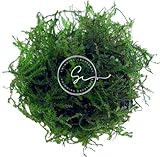
This is the most expensive moss option at $29.39, but the five separate portion cups justify the premium for breeders, multi-tank hobbyists, or anyone who needs moss anchored in different locations without cutting a single sheet apart. The cup format means you can distribute portions to fellow hobbyists as gifts or trade without repackaging, which owner feedback confirms as a genuine convenience. Each cup arrives with its own hydration, so you can store unused portions in a cool dark place for short periods.
- Pro: Individual cups allow separate anchoring without cutting or tearing
- Pro: Useful as trade currency in local aquascaping communities
- Con: Highest total cost on this list; poor value for single-tank setups
Skip this if you maintain one tank and have no need for distributed portions.
Coffea Seeds for Planting, 57+ Coffee Bean Garden Seeds
At $6.99, this is the least expensive coffee seed option, and the 57-plus count is only marginally below the sibling listing from the same seller category. For someone who wants to run a germination experiment or give seeds to fellow gardeners without spending much, this is the pragmatic choice. The non-GMO heirloom framing matches the more expensive version, so the price difference reflects count rather than seed quality or sourcing tier.
- Pro: Lowest entry price for heirloom Arabica seeds
- Pro: Close to the 60+ option in count, making it easier to justify as a trial
- Con: Slightly fewer seeds means less margin for germination losses
Skip this if you need the highest possible number of viable plants from one purchase and cannot accept any germination losses.
Exotic Veda Jamun Seed Powder – 100% Pure Eugenia Jambolana
This 100-gram pack at $6.99 fills the trial-size niche perfectly. Owner feedback specifically calls out the fine grind, which blends cleanly into smoothies and juices without leaving the gritty texture that coarser powders produce. The vegan, gluten-free, non-GMO labeling covers most dietary restriction checkboxes, and the multi-use framing — cooking, baking, skincare, DIY face masks — means you can test it topically before ingesting it. The smaller size also makes it reasonable to keep in a bathroom cabinet without it sitting open for months.
- Pro: Fine grind performs well in smoothies and topical applications
- Pro: Multi-use guidance reduces the risk of a single-purpose dead-end purchase
- Con: Small quantity means frequent repurchases for daily supplement users
Skip this if you already consume jamun powder daily and need a bulk format that stretches past a few weeks.
Buying Guide
Matching Portion Size to Your Actual Setup
The most common owner complaint across both the moss and coffee categories is a mismatch between what the buyer expected and what arrived. A 4×6 cm moss sheet looks impressive in a product photo against a white background but disappears in a 40-gallon tank. Measure your target coverage area before choosing. For coffee seeds, decide whether you need a stand of plants or a single specimen; germination rates for Arabica vary widely, and a 57-seed pack that loses 30% to non-viability still gives you 40 plants, which is generous — but a 60-plus pack is only meaningful if your climate or greenhouse can actually support that many.
Species and Form Accuracy
Java moss appears under two scientific names in this category: Vesicularia dubyana and Taxiphyllum Barbieri. Hobbyists debate whether these refer to the same organism or distinct look-alikes, but commercially they are often sold interchangeably. The practical takeaway is to check owner photos in listings rather than product renderings, since sellers sometimes photograph a mature, dense mat and ship a sparse starter piece. For jamun powder, confirm the botanical name Eugenia jambolana appears on the label, as some cheap substitutes use unrelated fruit-seed powders that share a common name but not the expected flavor or nutritional profile.
Shipping Condition and Freshness
Live aquatic moss and perishable seed powders degrade differently in transit. Moss survives by staying hydrated, so listings that arrive with positive owner reports about moisture retention are your best indicator of a seller who packs properly. Coffee seeds lose viability over time, so check for harvest-date information or batch freshness markers when available. Jamun powder is shelf-stable but can absorb odors if the container seal is compromised during shipping; look for listings where owners confirm the seal arrived intact rather than relying on the product description alone.
Our Verdict
The overall top pick depends on which sub-category you need. For aquascaping, Swimming Creatures Java Moss at 25 square inches offers the best balance of usable size, packaging reliability, and cost efficiency for anyone with a mid-range or larger tank. For coffee gardening, the 60+ Coffea Arabica pack at $7.29 gives you the most raw material per dollar and the best chance of establishing a real stand. For jamun supplementation, the MB Herbals 227-gram jar is the clear repeat-purchase choice due to its 75-day supply window and lowest daily cost.
The budget pick across the entire category is the Exotic Veda Jamun Seed Powder at $6.99, since it offers the lowest commitment threshold while still providing the fine grind and multi-use flexibility that owners value most. One condition shifts the answer: if you maintain multiple aquariums simultaneously and need moss in three or more locations, the Canton Aquatics 5-Pack wins over any single-sheet option despite its $29.39 price, because individual portion cups eliminate the labor of dividing a single mat and prevent cross-contamination between tanks.
FAQ
Are all these Java-named products safe for fish?
Live Java moss is widely used in planted tanks with community fish, shrimp, and breeding setups because it provides hiding spots and surface area for biofilm that juvenile fish graze on. Coffee seeds and jamun powder are not aquarium products and should never be added to a tank; they are for planting or consumption respectively.
Can I grow Coffea Arabica seeds indoors in cold climates?
Yes, but you will need a warm, bright windowsill or a grow-light setup that maintains consistent temperatures above 60 degrees Fahrenheit. Arabica coffee is a tropical understory plant, so it tolerates indirect light but not cold drafts or frost. Starting indoors and moving outdoors only in peak summer is a viable approach for northern gardeners.
What is the difference between jamun seed powder and jamun fruit powder?
Jamun seed powder comes from the dried and ground seed (the hard pit inside the fruit), while jamun fruit powder is made from the whole dried fruit flesh. The seed powder is more commonly used in traditional supplement applications, and it has a distinctly astringent flavor compared to the mildly sweet fruit powder. They are not interchangeable in recipes.
How long does a portion of live Java moss take to carpet a tank?
Under moderate lighting with some nutrient dosing, expect visible spreading over 4 to 8 weeks, with meaningful coverage in a small to mid-sized tank taking 2 to 3 months. The timeline depends on your light intensity, water flow, and whether you initially tie or weight the moss down so it does not float free before anchoring.


Write Your Review
No reviews yet. Be the first to share your experience!