
Key takeaways
What's inside
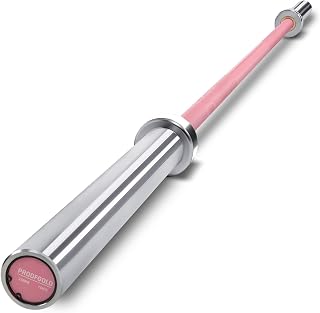
Best barbell for women is defined by a specification most listings bury: a 25 mm shaft instead of 28 mm. That 3 mm makes a far bigger difference to grip than the 5 kg weight saving does, and it is the reason the standard exists.
As an Amazon Associate we earn from qualifying purchases at no extra cost to you. Product prices and availability are accurate as of the date shown and are subject to change.
As an Amazon Associate we earn from qualifying purchases at no extra cost to you. Product prices and availability are accurate as of the date shown and are subject to change.




By Chris Parker
🛒 Best Price Today on Amazon
Prime members get fast, free shipping on everything above, plus member-only deals. New members get a 30-day free trial — cancel anytime.
Start 30-Day Prime Free Trial →See Today’s Amazon DealsWhat Makes the Best Barbell for Women Different
The best barbell for women by competition standard is 15 kg (33 lb) with a 25 mm shaft and no centre knurl, and it runs about 6.6 ft (2.01 m) rather than 7.2 ft (2.2 m). The best barbell for women is chosen on the shaft first and everything else second.
Shaft Diameter Matters More Than Weight
A 25 mm shaft allows smaller hands to close properly around the bar, which changes how secure a deadlift or a hook grip feels. On a 28 mm bar the same hand works as a partial hook rather than a closed grip.
The weight difference is secondary. Five kilograms is quickly outgrown by anyone training consistently, while grip security remains relevant permanently, which is why lifters with smaller hands often keep using a 25 mm bar long after the weight stops mattering.
Length, Sleeve Length and Storage Footprint
At roughly 6.6 ft (2.01 m) a women’s bar is around 7 in (18 cm) shorter than a men’s bar, which fits inside more racks and stores in tighter spaces. Check your rack’s inside width before assuming it fits.
Sleeve length is typically around 320 mm, which limits how many plates fit at very heavy loads. For a home gym storage run, allow the full 6.6 ft plus clearance, and measure the wall or hanger position before ordering.
No Centre Knurl and Why That Matters
Women’s bars omit the centre knurl by standard, which suits cleans and front rack positions where a knurled centre scrapes the sternum and collarbone. It is a genuine comfort difference rather than a cosmetic one.
The trade-off appears in high-bar squats, where a smooth centre gives the bar less grip on the shirt. Most lifters solve this with a chalked back or a textured top rather than by choosing a different bar.
Tensile Strength, Rotation and Knurl
The same rules apply as to any bar: around 165,000 PSI or above is sufficient for home training, bushings suit general strength work and needle bearings only justify their cost if cleans and snatches are regular.
Knurl aggression is worth attention on a thinner shaft, because a mild knurl on 25 mm steel can feel slick under a heavy deadlift. A moderate rather than passive knurl is generally the better choice here.
When a 20 kg Bar Is Still the Right Choice
If your hands close comfortably around a 28 mm shaft and you already own a men’s bar, there is no strong reason to buy a second one. The grip advantage is the whole argument, and it does not apply to everyone.
The case for the best barbell for women is strongest where hand size limits grip security on deadlifts, or where cleans and front rack work make the centre knurl genuinely uncomfortable. Both are specific rather than universal.
Market Context for Bars
The mid tier now offers 25 mm bars with the specifications that matter, which was not reliably true a few years ago. That change means the choice is no longer between a premium women’s bar and a men’s bar you tolerate.
Below that tier the compromises are predictable: lower tensile steel that bends when dropped loaded, sleeve collars that develop play, and knurl that is either sharp or almost absent. Check the sleeves for lateral movement when the bar arrives.
Bars are heavy to ship, and that shapes pricing across the category. Discounts on bars cluster around the late-year sales period because freight dominates the margin, so timing a purchase matters more than with smaller equipment.
Top Picks: Best Barbell for Women
These seven cover the 15 kg standard, the lighter technique options and the shorter bars that suit small rooms. Each entry gives the shaft and rotation type plus the honest weakness.
| Bar | Weight | Shaft | Rotation | Best For |
|---|---|---|---|---|
| Rogue Bella Bar | 15 kg (33 lb) | 25 mm | Bronze bushings | All-round benchmark |
| REP Fitness 15 kg Bar | 15 kg (33 lb) | 25 mm | Bushings | Mid-tier value |
| Titan Fitness Women’s Bar | 15 kg (33 lb) | 25 mm | Bushings | Budget entry |
| Synergee Women’s Regional Bar | 15 kg (33 lb) | 25 mm | Needle bearings | Olympic lifting |
| Bells of Steel Women’s Bar | 15 kg (33 lb) | 25 mm | Bushings | Value all-rounder |
| Technique Bar | About 5 to 10 kg | 25 mm | Bushings | Learning lifts |
| Short Olympic Bar | Around 10 to 15 kg | Varies | Bushings | Small rooms |
Rogue Bella Bar
The reference point in this category. A 25 mm shaft with bronze bushings and a moderate knurl handles squats, presses, pulls and cleans, and the build quality means it stays serviceable for a decade of home use.
It costs considerably more than most home lifters need to spend, and the bare steel version rusts quickly in a damp garage without regular oiling. The knurl is also milder than a dedicated power bar for maximal deadlifts.
REP Fitness 15 kg Bar
The value option in the mid tier, with the specifications that matter and few extras. For general strength training it delivers most of what a premium bar does at a noticeably lower price.
Finish is a step below premium and the knurl leans gentle, which some lifters find insufficient once deadlift loads climb. Stock availability also fluctuates more than mass-market alternatives.
Titan Fitness Women’s Bar
The budget route to a genuine 25 mm shaft, which is the specification that actually matters. For a first bar it puts the money into the right place and leaves budget for plates.
Quality control varies more than higher tiers, and sleeve play is the most commonly reported issue. Check for lateral movement in the sleeves on arrival rather than discovering it under load.
Synergee Women’s Regional Bar
Needle bearings make this the choice if cleans and snatches are a regular part of the programme, since fast sleeve rotation matters in the receiving position. The 25 mm shaft is standard for the category.
Bearings cost more and need more care in a damp environment, and they offer nothing for a lifter who squats, presses and pulls. It is a specialist purchase rather than a general one.
Bells of Steel Women’s Bar
A sensible all-rounder that matches mid-tier specifications while usually costing less. Bushings and a moderate knurl suit mixed home training without any obvious weak point.
The knurl is milder than some lifters want for heavy pulling, and the finish is functional rather than refined. As with every value bar, inspect the sleeve collars for play when it arrives.
Technique Bar
A lighter bar of roughly 5-10 kg (11-22 lb) with full-length sleeves lets someone learn the clean, snatch and overhead press without the load masking technique. It is the most underrated purchase in this list.
It cannot be loaded heavily, so it is an addition rather than a replacement. Many models also use plastic or lighter steel that flexes noticeably, which limits their use beyond technique work.
Short Olympic Bar
Shorter bars around 5-6 ft (1.5-1.8 m) fit rooms where a full-length bar cannot be racked or stored. They take standard Olympic plates and cover pressing and rowing perfectly well.
The shorter span means they cannot be used in most racks safely and they hold fewer plates. Shaft diameter also varies widely across these, so confirm it rather than assuming 25 mm.
Frequently Asked Questions
These questions come up whenever someone is deciding between a 15 kg bar and simply using the 20 kg bar already in the rack.
Is a women’s bar only about the lighter weight?
No, and that is the common misunderstanding. The best barbell for women is defined by the 25 mm shaft, which allows a closed grip for smaller hands. The 5 kg saving is quickly outgrown; the grip advantage is permanent.
Can men use a 25 mm bar?
Yes, and lifters with smaller hands often prefer one regardless of gender. There is nothing gendered about the specification itself, and the label reflects competition weight classes and standards rather than any physiological requirement.
Will a 15 kg bar fit my rack?
Usually, since at 6.6 ft (2.01 m) it is around 7 in shorter than a men’s bar, but check the inside width of your rack before ordering. A bar that is too short to sit securely in both J-cups with margin to spare is genuinely dangerous.
Is the missing centre knurl a problem for squats?
Slightly. The bar grips the shirt less, which some lifters notice under heavier loads as the bar creeping down the back across a longer set. Chalk across the upper back or a textured top solves it, and the comfort gain in front rack positions usually outweighs the loss.
See More:
- Ankle weights best
- Best rated ankle weights
- Best home workout equipment budget
- Best resistance bands for men
Final Thoughts
The best barbell for women is a 15 kg bar with a 25 mm shaft, bushings and a moderate knurl, and the shaft diameter is the specification that matters rather than the weight. A technique bar alongside it is worth more than upgrading to a premium model. Check your rack’s inside width before ordering.


Write Your Review
No reviews yet. Be the first to share your experience!