
Key takeaways
What's inside
Best treadmill plan for weight loss is a progression you can build on over weeks, not a single punishing session. This best treadmill plan for weight loss guide rounds up structured, multi-week programs by level and impact so you can choose one that fits your schedule and keeps getting easier to stick with.
As an Amazon Associate we earn from qualifying purchases at no extra cost to you. Product prices and availability are accurate as of the date shown and are subject to change.
By Chris Parker
🛒 Best Price Today on Amazon
Prime members get fast, free shipping on everything above, plus member-only deals. New members get a 30-day free trial — cancel anytime.
Start 30-Day Prime Free Trial →See Today’s Amazon DealsHow to Choose the Best Treadmill Plan for Weight Loss
Choosing the best treadmill plan for weight loss means matching the starting level to your fitness, building volume gradually week to week, using a treadmill that supports the plan, and prioritizing consistency over intensity. One note first: this is general fitness information, not medical or nutrition advice, and lasting results depend on your overall lifestyle, so check with a doctor or certified trainer before starting.
Match the Starting Level to You
A good plan meets you where you are. Beginners start with short, brisk walks or gentle inclines, while more active people can open with longer sessions, jogging, or intervals. If week one already feels punishing, the plan is starting too high.
The best sign of a workable plan is that early sessions feel repeatable, not draining. Choose a level you could sustain even on a tired day, since the plan only works if you keep showing up.
Build Volume Gradually
Progression is what separates a plan from a random workout. A sound program adds a little time, incline, or intensity each week so your body adapts without breaking down, rather than jumping straight to hard sessions.
Small, steady increases beat big leaps that lead to soreness and missed days. If a week feels too hard, repeat it before advancing, because a plan you can follow is worth more than one you admire on paper.
The Treadmill Your Plan Needs
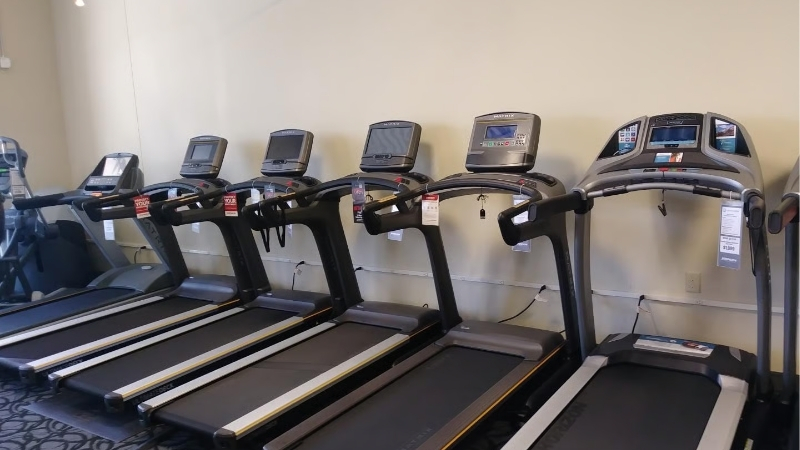
Most of these plans lean on incline, so a treadmill with a solid incline range, ideally to 12 to 15 percent, matters more than a high top speed. A cushioned deck helps on longer sessions, and a 20 by 60 in (51 by 152 cm) belt suits running while shorter decks handle walking.
Folding and compact machines cover walking and incline plans well, but confirm the motor and deck fit your fastest planned pace. Always measure the actual space where the treadmill will live, open and folded, before you buy, since a machine that does not fit is a plan that never starts.
Consistency and Recovery Over Intensity
Frequency and recovery drive a plan more than heroics. Regular, moderate sessions with rest days let you train week after week, while daily maximal efforts tend to end in fatigue and abandoned plans.
Sleep, easy days, and listening to your body are built into good plans, not signs of slacking. A program that respects recovery is the one that keeps working over months.
Top Picks for the Best Treadmill Plan for Weight Loss
These plans range from gentle beginner progressions to interval-based programs, so match one to your level. Whichever best treadmill plan for weight loss you choose, ease in and progress gradually.
| Plan | Structure | Impact | Best For |
|---|---|---|---|
| 4-Week Beginner Walk | Rising walk time each week | Low | Absolute beginners |
| Walk-to-Run 8-Week | More jogging each week | Moderate | New runners |
| Incline Walking Progression | Rising incline weekly | Low | Low-impact fans |
| Interval Progression | Harder intervals over weeks | Moderate-High | Time-crunched |
| Low-Impact Hybrid | Walk plus light strength | Low | Joint-conscious |
| 20-Minute Daily | Short daily sessions | Low-Moderate | Busy schedules |
| Weekday-Weekend Split | Short weekdays, long weekends | Moderate | Weekend time |
4-Week Beginner Walk – Best for Absolute Beginners
This plan starts with short brisk walks a few times a week and adds a few minutes each week, easing complete beginners into regular treadmill sessions. It is low-impact and simple to follow with any basic machine.
Because it starts gently, progress feels slow at first, which can frustrate the impatient. Sticking with it, though, builds the habit that every later plan depends on. That habit is the real foundation, and it makes the next plan far easier to start.
Walk-to-Run 8-Week – Best for New Runners
This progression alternates walking and jogging, shifting more time to running each week until you can jog continuously. The built-in walk breaks make rising intensity manageable for people moving beyond walking.
It asks for pacing discipline to keep early jog segments easy, and the jump to running is not for everyone’s joints. As a bridge from walking to running, though, it is a proven structure.
Incline Walking Progression – Best Low-Impact
This plan keeps you walking but raises the incline gradually week to week, adding challenge without the pounding of running. It suits people who want intensity while sparing their joints.
It needs a treadmill with a decent incline range, and steep grades strain the calves if you climb too fast. Built up patiently, it is one of the most sustainable low-impact plans.
Interval Progression – Best for Time-Crunched
This program layers in short, harder efforts with recovery, making each week’s intervals slightly more demanding. It packs work into short sessions for people short on time.
Intervals are demanding and high-impact, unsuitable for true beginners, and they need a warm-up and recovery days. Treat this plan as a step up once you have a base, not a starting point.
Low-Impact Hybrid – Best for Joint-Conscious
This plan pairs steady incline walking with light bodyweight or dumbbell work between treadmill blocks, blending cardio with a gentle strength stimulus. It keeps impact low while adding variety.
Splitting focus means the cardio portion is shorter, so it favors overall consistency over pure mileage. For people mindful of their joints, it is an approachable, balanced plan.
20-Minute Daily – Best for Busy Schedules
This plan trades long sessions for short daily ones, making a brief treadmill block easy to fit around work and family. Frequent short walks add up and are simple to keep up.
Short sessions build volume slowly, so patience matters. For busy people who struggle to find long blocks, though, a daily 20 minutes is a realistic, repeatable structure.
Weekday-Weekend Split – Best for Weekend Time
This plan uses short, easy weekday sessions and a longer, steady session on weekends when you have more time. It balances a busy week with a bigger weekend effort.
The longer weekend session can feel like a jump if weekdays stay too easy, so keep them honest. For people with weekend availability, it is a flexible, sustainable rhythm.
Frequently Asked Questions
People searching for the best treadmill plan for weight loss usually ask how to start and how fast to progress.
How do I start a treadmill plan as a beginner?
Begin with short, brisk walks a few times a week and add a few minutes each week. Keep the effort easy enough to hold a conversation at first, and build gradually so the plan stays repeatable rather than draining.
How fast should a plan progress?
Slowly. Adding a little time, incline, or intensity each week lets your body adapt without soreness or burnout. If a week feels too hard, repeat it before advancing rather than pushing through.
Walking or running plan for weight loss?
Both can work, so pick the one you will sustain. Incline walking is low-impact and easy to keep up, while a walk-to-run plan builds toward running; many people start walking and progress from there.
How many days a week should I train?
A common approach is several moderate sessions a week with rest days, but the right number depends on you. Build up gradually, prioritize recovery, and consult a certified trainer or doctor for guidance suited to your situation.
See More:
- best barbell
- best barbell in the world
- best rowing machine for home
- best buy for treadmill
- treadmill at best buy
Final Thoughts
The best treadmill plan for weight loss is a gradual, sustainable progression matched to your level, whether that is a beginner walking plan or a walk-to-run program you build on over weeks. Start easy, progress slowly, respect recovery, pair training with sensible lifestyle habits, and check with a professional first so your plan is both effective and safe.
As an Amazon Associate we earn from qualifying purchases at no extra cost to you. Product prices and availability are accurate as of the date shown and are subject to change.


Write Your Review
No reviews yet. Be the first to share your experience!