
Key takeaways
What's inside
Best kettlebell exercises for weight loss are high-repetition movements, which means the set usually ends because your hands gave up rather than your legs. Grip, handle finish and callus care decide how long you can train, and all three cost very little to fix properly. Hands decide how long a block lasts.
As an Amazon Associate we earn from qualifying purchases at no extra cost to you. Product prices and availability are accurate as of the date shown and are subject to change.
As an Amazon Associate we earn from qualifying purchases at no extra cost to you. Product prices and availability are accurate as of the date shown and are subject to change.


By Chris Parker
🛒 Best Price Today on Amazon
Prime members get fast, free shipping on everything above, plus member-only deals. New members get a 30-day free trial — cancel anytime.
Start 30-Day Prime Free Trial →See Today’s Amazon DealsHow to Protect Your Hands During the Best Kettlebell Exercises for Weight Loss
Swings, cleans and snatches move the handle across the palm hundreds of times a session. That combination of friction, sweat and rotation is what builds calluses, tears them and eventually ends training weeks early. The fixes are boring and cheap: finish, chalk and a file used regularly. None of it takes more than two minutes.
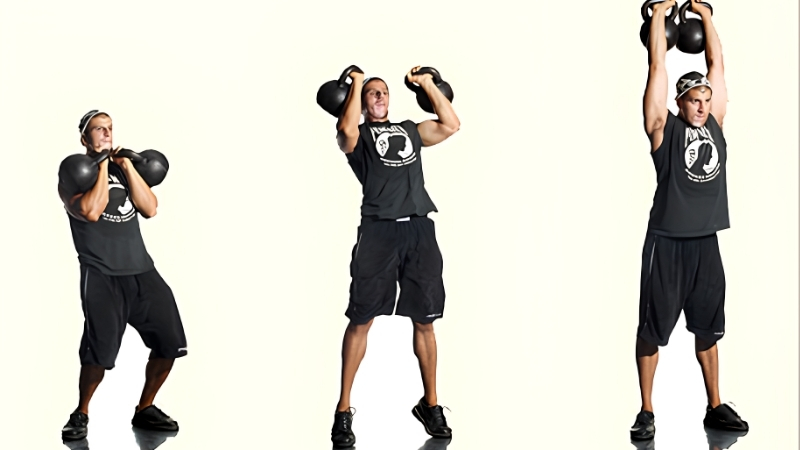
Handle Finish: The Fix Nobody Buys
Finish does more for grip than any accessory. Powder coat holds damp hands without shredding skin, painted cast iron becomes slippery once you warm up, and chrome or gloss finishes fail fastest of all. A rough casting seam is worse than any of them and can be filed smooth at home. Finish decides the best kettlebell exercises for weight loss.
Handle diameter matters too. Most sit around 33 to 35 mm, and cast iron bells get thicker as they get heavier while competition bells stay constant. A thicker handle makes grip the limiting factor sooner, which is useful occasionally and unhelpful when conditioning is the actual goal. Competition handles stay constant across weights.
Chalk, Sweat and Warm Rooms
Liquid chalk is the domestic answer: it dries in seconds, leaves no cloud on the carpet, and one bottle lasts months. Block chalk grips slightly better and coats everything within reach, which is fine in a garage and a genuine problem in a spare room with a rug in it. Liquid chalk is the domestic default.
A towel within reach does the other half of the job, since a damp handle is what turns a controlled clean into a bell rotating loosely around the hand. Wipe the handle rather than your palms, because the crown of the bell is where the sweat actually collects. A damp handle rotates loosely in the hand.
Calluses, Tears and Why Gloves Fail
Calluses are unavoidable during the best kettlebell exercises for weight loss, and manageable. Kept flat with a file they protect the hand; left to build into raised ridges, they catch on the handle during a snatch and tear. Filing them down once a week takes two minutes and prevents most lost training.
Gloves seem like the obvious answer and make things worse. They add bulk in the hand, which increases the effective handle diameter and reduces grip, and they do nothing about the friction that causes calluses in the first place. Chalk plus a file is what experienced lifters use instead. Gloves are the wrong answer to the right problem.
Top Picks: Grip and Hand Care Kit
These six cover chalk in both forms, a bell with a finish that helps rather than hinders, callus care and forearm protection. None of it costs much, and together it removes the most common reason a high-repetition programme stops. Each entry names a genuine drawback. Chalk and a file cost almost nothing.
| Product | Role | Best for | Priority |
|---|---|---|---|
| Spider Chalk Liquid Grip | Liquid chalk | Indoor rooms | First |
| Block gym chalk | Loose chalk | Garages | Alternative |
| Kettlebell Kings Powder Coat | Bell finish | High repetitions | First |
| CAP Competition Bell | Constant handle | Matching sizes | Later |
| Callus file or foot rasp | Hand care | Preventing tears | Cheap add-on |
| McDavid Compression Sleeves | Forearm cover | Clean landings | Optional |
Spider Chalk Liquid Grip
Liquid chalk is the first purchase here and the cheapest improvement available to anyone training at home. It dries within seconds, leaves no dust on flooring or furniture, and gives enough grip that a warm room stops being the reason a set of swings finishes early. It suits the best kettlebell exercises for weight loss indoors.
It dries the skin with regular use, so wash it off properly afterwards rather than leaving it on overnight. Some formulas leave residue in the crown of a coated handle. Wipe the bell down after sessions instead of letting chalk build up over several weeks of training. Wash it off properly after every session.
Block Gym Chalk
Block chalk grips marginally better than liquid and costs even less, which is why it remains standard in garages and dedicated training spaces. If your training area is not carpeted and nobody else uses the room, it is the cheaper and slightly more effective of the two options. Garages are where block chalk belongs.
The problem is everything else in the room. Block chalk creates dust that settles on floors, furniture and anything else nearby, and it is genuinely unwelcome in a living space. Use a chalk bag or a bucket to contain it, or accept that liquid chalk suits a home better. Dust settles on everything within reach.
Kettlebell Kings Powder Coat Kettlebell
Buying the right finish beats fixing the wrong one. Powder coat gives texture that holds damp hands without abrading the palm, and a smooth crown with no casting seam is what keeps a clean landing softly rather than catching skin between the handle and the forearm. Buying the right finish beats fixing the wrong one.
It costs meaningfully more than budget cast iron, which is hard to justify if your training volume is low. The coating wears at contact points over years of use. Buy it for the bell you use in every session rather than trying to upgrade an entire collection at once. High volume is what justifies the price.
CAP Competition Kettlebell
Competition bells keep the handle identical at every weight, which matters for hand care as much as technique: your grip does not have to adapt as the load goes up, so calluses form in a consistent pattern rather than shifting each time you change to a different bell. Consistency helps the hands as much as technique.
They cost more per bell, the handles are narrower than cast iron and steel marks floors more readily. For a single-bell setup none of that is worth paying for. It is a decision about building a matched set rather than buying individual bells as you need them. Single-bell training needs none of this.
Callus File or Foot Rasp
The cheapest item here and the one that prevents the most lost training. A simple file or foot rasp keeps calluses flat rather than raised, which is what stops them catching during a snatch and tearing. Two minutes once a week is the entire maintenance routine. It prevents more lost training than anything else here.
Do it after a shower when the skin is soft, and take the raised ridge down rather than removing the callus entirely, since the thickened skin is doing a useful job. Overdoing it leaves the hand tender for days, which costs as much training time as a tear would. Take the ridge down, not the whole callus.
McDavid Compression Arm Sleeves
Forearm sleeves are optional and genuinely useful while you are learning cleans and snatches, when the bell tends to land on the forearm rather than rolling around it. They take the bruising out of the learning phase without changing the grip at all, unlike gloves. Learning cleans is where they earn their place.
They do nothing for the hand itself, so they are not a substitute for chalk or callus care, and they get warm in a small room. Treat them as temporary support during a technique block rather than something you wear indefinitely once the landing has been sorted out. They do nothing for the palms themselves.
Frequently Asked Questions
These four questions come up whenever training volume climbs and hands become the limiting factor. They cover chalk, calluses and gloves, which are the three subjects where beginner advice most often points in exactly the wrong direction for high-repetition kettlebell work. Hands answer most of them.
Should I wear gloves for the best kettlebell exercises for weight loss?
No. Gloves increase effective handle diameter, reduce grip and do not prevent calluses forming. They also bunch in the palm during a swing, which is its own problem. Chalk, a well-finished handle and regular callus filing are what experienced lifters use in place of them. Bulk in the palm is the core problem with gloves.
How do I stop my hands tearing during kettlebell training?
Keep calluses filed flat, use chalk rather than gripping harder, and hook the fingers rather than clamping the handle in the palm. Raised calluses catching on the handle cause most tears. If skin does tear, let it heal properly before returning to high-repetition work. Hooking the fingers reduces friction noticeably.
Is liquid or block chalk better for kettlebell exercises?
Block chalk grips slightly better; liquid chalk suits a home far better because it leaves no dust at all on your flooring and furniture. In a garage, use block. In a spare room or a living room, liquid is the version that will not cause an argument about the carpet. Both work; the room decides which.
Which of the best kettlebell exercises for weight loss are hardest on the hands?
Snatches and high-repetition cleans, because the handle rotates through the palm rather than sitting still. Swings are gentler, and goblet squats barely load the grip at all. Build volume gradually, and speak to a doctor if pain rather than skin damage is the limiting factor. Snatches load the hands hardest of all.
See More:
Final Thoughts
The best kettlebell exercises for weight loss are limited by your hands long before your conditioning, which makes grip the cheapest performance upgrade available. Buy liquid chalk, choose a powder-coated handle, keep a file in the drawer, and leave the gloves in the shop where they belong. Then train without losing weeks to torn hands.



Write Your Review
No reviews yet. Be the first to share your experience!