
Key takeaways
- Cast-iron kettlebells: These usually have a wider, more varied shape as the weight increases. They are commonly sold in 4-kilogram, 8-kilogram, 12-kilogram, 16-kilogram, 20-kilogram, and 24-kilogram sizes. A 12-kilogram model may be about 8 to 10 inches tall, though dimensions vary.
- Competition kettlebells: These typically keep a similar body size across weights, often around 11 inches tall and 7 inches wide. The handles can feel more consistent, but they may be less comfortable for some recreational users during goblet squats or carries.
What's inside
The Short Answer
Yes, kettlebells are worth buying if you want one compact tool for strength, conditioning, and home workouts—and you are willing to learn safe technique before adding speed or weight. A single well-chosen kettlebell can support dozens of exercises, takes up very little space, and costs less than many pieces of home gym equipment. It is not automatically the best choice for everyone, though. If your main goal is bodybuilding-style muscle isolation, maximum lifting strength, or low-impact exercise, dumbbells, machines, resistance bands, or a stationary bike may suit you better.
For most beginners, the sweet spot is a cast-iron or competition-style kettlebell costing roughly $25 to $80, with a weight you can control for at least 10 clean repetitions. Buy one useful weight first rather than a full set. That approach keeps the investment practical and gives you time to decide whether kettlebell training belongs in your routine.
As an Amazon Associate we earn from qualifying purchases at no extra cost to you. Product prices and availability are accurate as of the date shown and are subject to change.

What You Actually Get
A kettlebell is a weighted ball with a fixed handle. Unlike a dumbbell, its center of mass sits below and slightly away from your grip. That unusual shape makes it useful for swinging, carrying, pressing, squatting, and moving through large ranges of motion.
A basic kettlebell workout can include swings, goblet squats, deadlifts, rows, cleans, presses, lunges, Turkish get-ups, and loaded carries. One 20-minute session might combine five movements and train your legs, hips, back, shoulders, arms, and core. The tool does not magically replace a complete program, but it can make a small home workout area surprisingly capable.
Most home buyers will encounter two main styles:
- Cast-iron kettlebells: These usually have a wider, more varied shape as the weight increases. They are commonly sold in 4-kilogram, 8-kilogram, 12-kilogram, 16-kilogram, 20-kilogram, and 24-kilogram sizes. A 12-kilogram model may be about 8 to 10 inches tall, though dimensions vary.
- Competition kettlebells: These typically keep a similar body size across weights, often around 11 inches tall and 7 inches wide. The handles can feel more consistent, but they may be less comfortable for some recreational users during goblet squats or carries.
Prices generally range from $15 to $35 for a light 4- to 8-kilogram bell, $30 to $70 for a 12- to 20-kilogram bell, and $60 to $120 or more for heavier, premium, or competition models. A vinyl-coated or rubber-bottom version may cost $5 to $20 extra. You are paying for the bell, handle finish, coating, and manufacturing quality—not electronics, apps, or adjustable features.
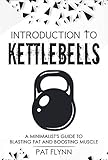
You may also spend money on instruction. The $1 Introduction to Kettlebells: A Minimalist’s Guide to Blasting Fat and Boosting Muscle and the $2.99 Kettlebell: The Ultimate Kettlebell Workout to Lose Weight and Get Ripped in 30 Days are inexpensive guide options, but a book cannot replace coaching if you are unsure about technique. Before doing fast swings or cleans, you should understand how to hinge at the hips, brace your midsection, and keep the bell under control.
Pros
- Excellent versatility. One bell can provide lower-body strength work, upper-body pressing, pulling, core training, and cardiovascular conditioning. You can use it for both slow strength exercises and fast power movements.
- Small storage footprint. A single kettlebell typically occupies less than 1 square foot of floor space. It can sit in a closet, under a desk, or beside a sofa, although heavier bells should be placed on a stable surface.
- Good value per movement. You do not need a rack, bench, plates, or power outlet. A $30 to $60 kettlebell can support a complete beginner program when paired with walking, mobility work, or body-weight exercises.
- Efficient workouts. Swings, complexes, and loaded carries can raise your heart rate while training multiple muscle groups. A focused 15- to 30-minute session may be easier to fit into a busy schedule than a long gym visit.
- Useful for real-world strength. Uneven loading, carries, and unilateral exercises challenge your grip, balance, bracing, and coordination. Those qualities can complement more traditional weight training.
- Easy to use at home. A kettlebell does not require assembly, batteries, software, or a membership. It also works in a garage, apartment, backyard, or hotel room, provided you have safe clearance.
- Progress is flexible. You can increase repetitions, reduce rest, slow the lowering phase, add pauses, use one arm, or move to a heavier bell. Progress does not depend only on buying more equipment.
Cons
- Technique matters. The most popular kettlebell exercises are ballistic. A poorly performed swing can place unnecessary stress on the lower back, shoulders, or wrists. Beginners should start slowly and avoid treating a swing like a front raise.
- Weight jumps can be large. Kettlebells often increase in 4-kilogram increments, or about 8.8 pounds. If 12 kilograms is too light but 16 kilograms is too heavy, progress may require more repetitions or a second bell.
- One bell does not fit every exercise equally well. A weight that is appropriate for two-handed swings may be too heavy for overhead presses. Conversely, a light pressing bell may not provide enough challenge for deadlifts or squats.
- Some movements need more room. Swings, cleans, snatches, and carries require clearance around your body. Low ceilings, fragile flooring, pets, and nearby furniture can make home use inconvenient or unsafe.
- They are not ideal for maximum isolation. If you want to progressively train a specific muscle through many small weight increases, adjustable dumbbells or a cable machine offer more precise options.
- Comfort varies by design. Rough handles can irritate your hands, while excessively smooth handles may become slippery with sweat. Thick handles can be difficult for smaller hands, and some coatings feel unpleasant against the forearm.
- Storage still matters. A 24-kilogram bell weighs about 53 pounds, and a 32-kilogram bell weighs about 70.5 pounds. Dropping one can damage flooring, furniture, or the bell itself, so a protective mat may cost another $20 to $60.
Who Should Buy It
Buy a kettlebell if you want an affordable, compact option for general fitness and you enjoy workouts that feel active rather than machine-based. It is especially useful for apartment dwellers, travelers, beginners building a home gym, and experienced lifters who want conditioning sessions or unilateral work.
For a first purchase, many women start around 8 to 12 kilograms, while many men start around 12 to 16 kilograms, but those are broad guidelines rather than rules. Your current strength, training history, and intended exercises matter more than gender. Choose a weight that lets you perform controlled deadlifts, goblet squats, and presses without straining. If swings are your goal, consider instruction first and use a load that does not pull you out of position.
Who Should Skip It
Skip a kettlebell, or postpone buying one, if you have an untreated injury, significant balance limitations, or pain that has not been evaluated. A physical therapist or qualified professional can help determine whether loaded exercise is appropriate.
You may also prefer another tool if you want quiet workouts, have very limited floor space, cannot safely lift a weight from the floor, or mainly want cycling-style cardio. Kettlebells are not a requirement for getting stronger. Body-weight training, bands, dumbbells, and gym equipment can all produce excellent results.
Cheaper Alternatives
| Option | Cost | Trade-off |
|---|---|---|
| Body-weight training | $0 | Free and nearly silent, but it can be harder to progressively load pulling, leg, and grip exercises. |
| Resistance bands | $15-$50 per set | Lightweight and travel-friendly, though band tension changes throughout the movement and may not replace heavy carries or swings. |
| Used dumbbells | $1-$2 per pound | Often inexpensive and excellent for presses and rows, but a matching set can take more storage space than one kettlebell. |
| Adjustable dumbbells | $80-$300 per pair | Provide more weight options in one package, but they cost more and may be awkward for ballistic exercises. |
| Sandbag | $40-$150 | Offers shifting resistance and useful carries, but it is less precise, less comfortable for some exercises, and may require filler. |
| Jump rope | $10-$30 | Very affordable cardio, but it does not provide meaningful resistance training and may be unsuitable for some joints or ceilings. |
FAQ
Is one kettlebell enough for a full workout?
Yes. One kettlebell can support a routine built around deadlifts, goblet squats, rows, presses, swings, carries, and get-ups. You will eventually benefit from another weight if your strength improves, but a single bell is enough to begin and to maintain a useful general-fitness program.
What kettlebell weight should a beginner buy?
Start with a weight you can lift smoothly for 8 to 12 repetitions in basic exercises. For many beginners, that means 8 to 12 kilograms for smaller or less experienced users and 12 to 16 kilograms for stronger beginners. When uncertain, choose lighter rather than heavier; good technique is more valuable than forcing a particular number.
Are kettlebells good for losing weight?
They can help by combining resistance training with vigorous movement, but fat loss depends primarily on your overall calorie balance, diet, activity, sleep, and consistency. No kettlebell automatically produces weight loss. A simple routine performed three times per week, plus regular walking and sensible nutrition, is more useful than an extreme program you abandon.
Should I buy a kettlebell or dumbbells?
Choose a kettlebell for compact, dynamic workouts involving swings, carries, and whole-body movement. Choose dumbbells if you want more comfortable isolation exercises, smaller weight increases, or conventional presses and curls. If your budget allows only one purchase, select the tool that matches the exercises you will realistically do at least two or three times per week.



Write Your Review
No reviews yet. Be the first to share your experience!