
Our Top Picks
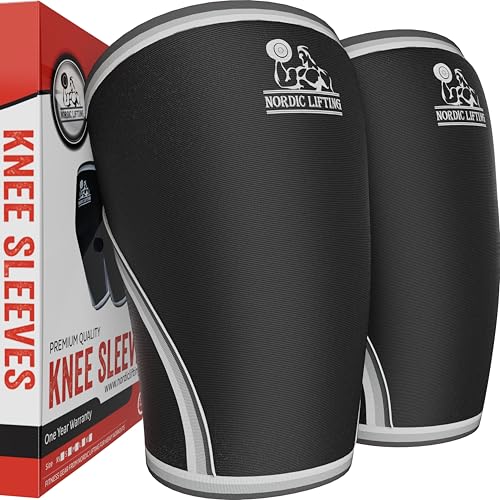 Nordic Lifting Neoprene Knee Sleeve for WeightliftingX-Large10.82 x 7.67 x 1.57 inches0.55 poundsCheck on Amazon


As an Amazon Associate we earn from qualifying purchases.
Disclosure: This article contains affiliate links. If you buy through these links, we may earn a commission at no extra cost to you.
Our top pick: Rehband Classic Knee Sleeve 7051 7mm. Runner-up: SBD 5mm Weightlifting Knee Sleeves.
A good pair of knee sleeves will not squat the weight for you, but it can change how a heavy set feels from the first warm-up rep to the last working set. Compression keeps the joint warm, the fabric gives you a clear sense of where your knees are in space, and a firm sleeve adds confidence as you descend and drive back up. For lifters who train squats and Olympic lifts week after week, that warmth and feedback matter far more than any gimmick.
Sleeves vary a lot, though. Some are thick, long, and built for maximal attempts on a platform. Others are thinner and more flexible, made for lifters who move between squats, cleans, and conditioning work. Picking the wrong thickness or length can leave a sleeve bunching behind the knee or sliding down mid-set.
This guide covers five proven options for the best knee sleeves for squats, from a long-running classic to modern competition sleeves. Each pick is lifting gear first, with clear thickness, material, and sizing information, so you can match a sleeve to the way you actually train.
How to Choose the Best Knee Sleeves for Squats
Thickness is the first decision. A 7mm sleeve is the standard for heavy squatting and powerlifting, offering the most compression, warmth, and rebound out of the bottom position. A 5mm sleeve gives up a little firm support for more freedom of movement, which suits weightlifting, general strength training, and lifters who also do lunges or split squats in the same session. For barbell squatting, most lifters are best served by 5mm or 7mm neoprene.
Material matters next. Nearly every serious lifting sleeve uses neoprene, often blended with synthetic rubber for extra density. Denser neoprene holds its shape longer and keeps compression consistent across months of training. Look at the seams as well: flatlock or reinforced stitching, and in some designs welded seams, reduce weak points where sleeves split after repeated pulling over the calf.
Length and shape shape the feel. Longer sleeves, around 30cm, cover more of the thigh and shin and tend to stay put. Shorter sleeves feel less restrictive and work well for Olympic lifting. Some sleeves are cut with an anatomical bend, while others use a straighter tube design that feels tighter and more uniform. A straight, dense sleeve will usually feel more supportive and harder to pull on.
Sizing deserves real care. Measure around the knee or just below it with the leg straight, following the maker chart for that exact model, because charts differ between brands. For general training, follow the chart as written. For a competition fit, many lifters size down one step for extra compression, accepting a harder pull over the calf. If you are between sizes, the larger option is usually the wiser long-term pick.
Finally, check approval if you plan to compete. Sleeves approved by bodies such as the IPF, USAPL, or USPA meet limits on thickness and length, so you will not be turned away at equipment check. Even off the platform, that approval signals a clear, tested standard.
Rehband Classic Knee Sleeve 7051 7mm

The Rehband 7051 is the sleeve many lifters picture first, earned through decades of use in gyms and on platforms. Its anatomical shape is the key difference. Instead of a plain tube, it is built with a bend that follows the leg, so it sits smoothly over the kneecap and bunches less behind the joint at full depth.
Under a heavy bar, the 7mm neoprene gives firm, even compression and holds warmth well between sets. It feels supportive without the extreme tightness of the stiffest competition sleeves, making it a strong choice for lifters who squat heavy but also want to keep the same pair on for leg presses and accessory work.
Durability is another reason this model endures. The stitching handles repeated pulling over large calves, and the neoprene keeps its compression through long training blocks when washed gently and dried flat. For one dependable pair for all-round strength training, with a fit shaped rather than squeezed, the Rehband remains hard to beat.
SBD 5mm Weightlifting Knee Sleeves
SBD built its name on dense, carefully made support gear, and this 5mm sleeve applies the same approach to lifters who need mobility as much as support. At 5mm, it compresses and warms the joint without locking the knee into a stiff hinge, so it suits snatches, cleans, jerks, and deep high-bar squats.
The feel is firm for a 5mm sleeve. SBD neoprene is notably dense, so support lands closer to a light 7mm sleeve than to a soft gym sleeve, yet the shorter cut keeps the back of the knee clear through a full session. Lifters who train both powerlifting and weightlifting movements often land here, because one pair can cover heavy squats and technical work alike.
Sizing is precise and the range is the widest in this guide, helping lifters with very small or very large legs find a true fit. Follow the SBD chart closely and measure both knee and calf as directed. For premium build quality, real competition approval, and a sleeve that moves with the joint, this is top-tier.
Nordic Lifting Knee Sleeves 7mm
Nordic Lifting sleeves are built for heavy squats, powerlifting, and cross training. The 7mm neoprene is firm and warm, gripping evenly to give a clear sense of support as you reverse out of the bottom. The ergonomic cut follows the knee, spreading compression smoothly and helping the sleeve stay in place during long sessions.
Pulling them on takes effort in a snug size, and that is part of the design. Folding the top half down, working the sleeve over the foot and calf, then unfolding it into place is the method most owners use. Once set, the sleeve feels locked in, with little downward creep during a top set.
These sleeves reward lifters who train with intent. They suit squats and other heavy compound work, and for powerlifters wanting firm support that holds up season after season, Nordic Lifting is a strong option.
Gymreapers Knee Sleeves 7mm
Gymreapers has become a familiar name in lifting gyms by offering straightforward, well-made gear, and its 7mm sleeves follow that formula. Support is firm and even, the neoprene holds warmth through a full leg session, and the sleeve gives clear feedback at the bottom of a squat without feeling as extreme as the stiffest platform-focused designs.
That balance is the appeal. Wear these for heavy back squats, then move to front squats, leg presses, and lunges without the sleeve fighting every step. The contoured fit keeps fabric smooth behind the knee for most lifters, and the included bag is a useful touch, since neoprene benefits from airing out rather than sitting sealed in a locker.
For lifters building a first serious kit, or trainees who want a dependable training pair separate from a tighter competition pair, Gymreapers hits a sweet spot. Measure around the kneecap, follow the brand chart, and expect a snug first fit that eases as the neoprene breaks in.
Iron Bull Strength Knee Sleeves 7mm
Iron Bull Strength makes these 7mm sleeves for lifters who want firm support and a secure fit that needs no constant adjustment. The neoprene feels thick and structured, seams are doubled at key points, and the sleeve holds its position through repeated sets, so your focus stays on bracing and bar path.
In training, compression is assertive. Knees feel warm quickly, the joint feels well supported at depth, and there is clear assistance as you drive up. The sleeve is also shaped well enough for general gym use, covering deadlift variations, leg presses, and other heavy compound work.
The approval list is broad, so competitive lifters in several federations can use the same pair in training and on meet day. Choose your normal chart size for training, and consider the tighter end only if you are experienced with stiff sleeves. For a planted, no-fuss fit, Iron Bull Strength deserves a close look.
Comparison Summary
All five sleeves use neoprene and are built for barbell training, but they serve slightly different lifters. The Rehband Classic 7051 offers an anatomical 7mm fit that balances support and comfort for all-round strength work. The SBD 5mm sleeves trade a little thickness for mobility, premium density, and the widest size range here.
The Nordic Lifting 7mm offers firm squat support, with dense fabric, reinforced stitching, and an ergonomic, tight feel aimed at powerlifters. Gymreapers 7mm sleeves sit in the middle ground, firm enough for heavy work yet easy to live with across a varied leg day, with a storage bag included. Iron Bull Strength 7mm sleeves add broad federation approval and a secure fit for lifters who dislike sleeves that migrate.
For mostly maximal squatting, lean toward Nordic Lifting or Iron Bull Strength. If you mix Olympic lifts with squats, the SBD 5mm is the natural fit. For one proven pair for general heavy training, Rehband and Gymreapers are the most forgiving places to begin.
Frequently Asked Questions
Should I choose 5mm or 7mm knee sleeves for squats?
Choose 7mm if heavy squatting is your main focus, because thicker neoprene gives more compression, warmth, and support at depth. Choose 5mm if you also train Olympic lifts or want more freedom of movement. Many lifters own 7mm for squat days and treat 5mm as the more versatile option.
How tight should knee sleeves feel when they fit correctly?
A correct fit feels snug and firm, with even compression and no numbness, tingling, or sharp pinching behind the knee. The sleeve should be a deliberate pull over the calf, then stay in place. If your lower leg changes color or feels cold, the size is too small for training use.
Can knee sleeves help with knee discomfort during lifting?
Sleeves can help many lifters by keeping the joint warm, adding compression, and improving awareness of knee position, which often makes squatting feel more stable. They are training gear, not medical treatment, so persistent pain, swelling, or a recent injury should be checked by a qualified clinician before you load it heavily.
How do I wash and care for neoprene knee sleeves?
Hand wash in cool water with mild soap, rinse well, and dry flat or hang them inside out away from direct heat. Avoid machine drying and harsh detergents, which break down neoprene over time. Let sleeves dry fully between sessions and store them in a ventilated bag.
Conclusion
The best knee sleeves for squats match your thickness needs, fit your legs precisely, and stay put while you train. Rehband brings a proven anatomical design, SBD delivers a premium 5mm option for lifters who need mobility, Nordic Lifting offers firm squat-focused support, Gymreapers balances firmness with everyday usability, and Iron Bull Strength adds a secure fit with broad approval.
Measure carefully, follow the chart for your model, and give a new pair a few sessions to break in. With the right sleeves on, warm-ups feel smoother, heavy sets feel more confident, and your knees get support for long-term progress under the bar.
FAQ
Should I choose 5mm or 7mm knee sleeves for squats?
How tight should knee sleeves feel when they fit correctly?
Can knee sleeves help with knee discomfort during lifting?
How do I wash and care for neoprene knee sleeves?
More from Amazon
Programs that pair well with the guide above. Offers and eligibility are set by Amazon and may change.
Free shipping on eligible items, Prime Video and more. Eligible new members can start with a free trial.
Start a Prime free trialA Prime membership for ages 18-24 with a trial period. Eligibility is set by Amazon.
See Prime for Young AdultsAudiobooks and podcasts to listen to on the go. Eligible new members can start with a free trial.
Try Audible freeAd-free music streaming. Eligible new subscribers can start with a free trial.
Try Music Unlimited freeAs an Amazon Associate we earn from qualifying purchases.
Write Your Review
No reviews yet. Be the first to share your experience!