
The best weight lifting chains pick up evenly on both sides of the bar and give you a measurable difference between the bottom and top of a lift. The Rogue 1/2-inch Chain Kit is a practical first purchase. Heavier pairs, shorter chains, and covered designs suit different loads, bar heights, and training floors.
The best weight lifting chains at a glance
Start with the Rogue 1/2-inch kit if you want a modest pair with feeder chains and connectors included. Titan offers longer six-foot chains, while Weight It Out offers a four-foot option. Sorinex Monster Chains make sense when you want covered links and the included attachment system works with your gym.
| Product | Listed main chain weight | Main chain length | What comes with it | Best fit |
|---|---|---|---|---|
| Rogue 1/2-inch Chain Kit | 20 lb per pair | Confirm exact main-chain length if critical | Two four-foot feeders and carabiners | First adjustable setup |
| Bells of Steel 44 LB Set | 39 lb per main pair | 5 ft each | 5 lb feeder pair and quick links | Heavier modular setup |
| Titan 6 FT 5/8-inch Heavy-Duty Chains | 40 lb per pair | 6 ft each | Carabiners on the main chains | Longer adjustable setup |
| EliteFTS Pair of Chains | 36 lb per pair | 5 ft each | Main chains with snap hook hardware | Gym with compatible loaders |
| Weight It Out 5/8-inch Four-Foot Pair | 31 lb per pair | 4 ft each | Main chain pair | Shorter main chain |
| Sorinex Monster Chains | 45 lb per pair, listed | Confirm for your exact setup | Two covered chains with carabiners and two daisy chains | Covered links |
| Ader Zinc 30 lb Chain Set | 30 lb per pair, listed | About 5 ft each | Olympic attachment collars | Direct collar mounting |
Main-chain weight is the listed mass of the working pair. A feeder, connector, strap, or attachment collar can contribute additional load. Check what a seller includes in its headline number before comparing products. During the actual lift, the floor supports part of the chain whenever links remain down.
How we selected the best weight lifting chains
We compared published pair weights, working-chain lengths, attachment methods, and what the buyer has to add to complete a setup. The picks come from manufacturer specifications and equipment comparisons. We gave particular weight to how easily the same configuration can be measured and repeated across training sessions.
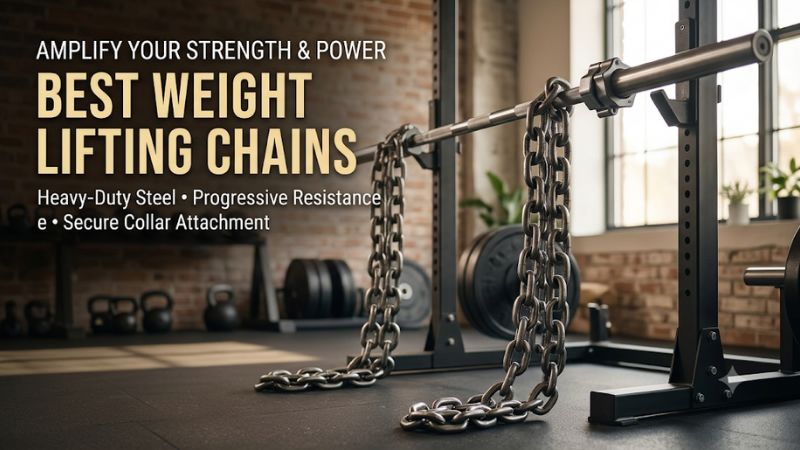
Why the suspended chain matters more than package weight
The bar carries the chain supported by its attachments. As more links rise from the floor, the chain contribution increases. A 40-pound pair may deliver far less than 40 pounds at lockout if a substantial section stays on the floor. The difference between two bar positions depends on how much chain pickup occurs between them.
A buyer can use the same chain pair for two lifts and see different changes in load. On a bench press, the bar travels through a relatively short window low in the rack. On a squat, the attachment starts much higher. Feeder length and connection position affect when the main chain starts lifting in each movement. The chains therefore need to be evaluated as part of an assembled system.
Compare bar plus plates, any hardware carried throughout the lift, and the measured chain contribution at two heights. If you can track those three details, you can make a meaningful comparison when deciding between a lighter pair, longer links, or a different feeder.
Why main-chain length and attachments affect the recommendation
A feeder chain or loader positions the main chain lower relative to the bar. A direct attachment collar puts the connection near the sleeve. Both can work in the intended setup. The difference matters when you move between a floor pull and a squat, since the same chain may pool or hang differently in each position.
Main-chain length changes how much material can lie on the ground and how much can rise through your usual range. A shorter chain can be easy to handle and store, particularly if only one lift uses the equipment. A longer pair gives you more geometry to work with when the system and room accommodate it.
Read the parts list as closely as the weight. In a complete kit, the included feeder and connector should serve the intended connection. A main-chain pair may be more economical if you already own compatible loaders. Use hardware the manufacturer specifies for the assembly and account for its mass in the training log.
The best weight lifting chains by setup
Choose based on the first lift you plan to train. A lifter who wants one bench setup may value a moderate pair and a connection that is quick to repeat. Someone who will move equipment among bench, squat, and deadlift sessions needs useful adjustment points and enough clearance at each working height.
Rogue 1/2-inch Chain Kit for the best first setup
Rogue includes two 10-pound main chains, carabiners, and two four-foot feeder chains. The listed feeder pair adds five pounds, separate from the 20 pounds of main chains. That makes this a useful starting point for home lifters who want the chain, feeder, and connecting equipment in one purchase.
The moderate main pair is straightforward to compare with heavier options. A lifter who wants a modest change across a bench press can adjust where the working chain begins to rise and then record what is suspended. A similar setup can be checked for squats using the feeder connection and the actual working range. Make a note of the selected link on each side.
The five pounds of feeder mass is part of the equipment you buy. How much of that mass the bar carries depends on how you set it up. Include the feeder and connectors when you measure the assembled load rather than treating the working pair’s name as a final number.
Buy this kit if you want a complete adjustable arrangement and the measured change suits your program. Choose a heavier option if a correctly fitted 20-pound main pair cannot create the change you want. Confirm available sleeve room if your plates and normal collars already fill most of the bar.
Bells of Steel 44 LB Set for a heavier modular setup
The Bells of Steel 44 LB Set combines a 39-pound pair of five-foot, 5/8-inch main chains with a five-pound pair of six-foot lead chains and matching quick links. It suits experienced buyers who want more chain mass than a light starter kit and want the major attachment parts listed together.
The main benefit is modularity. Bells sells lead chains, main chains, and connectors as separate listings as well as bundles. That makes it possible to identify which part you would need later if your setup evolves. The weight figure for this bundle combines the main pair and the feeder pair. Record the hardware and tension points you actually use.
Six-foot leads can be useful on higher starting positions where a short attachment would let too many links hang at the bottom. They also create spare material to manage if you move to a lower station. Follow the seller’s mounting instructions and keep excess lead length clear of plates, feet, and moving rack hardware.
Buy this set when the paired main weight and range of adjustment match your squat or press setup. A first-time buyer interested only in a modest bench change may find a lower-mass pair easier to dial in and faster to move around the gym.
Titan six-foot heavy chains for longer main chains
The Titan 5/8-inch Heavy-Duty Chains include two six-foot chains with carabiners. Titan lists each chain at 20 pounds, giving a 40-pound main pair. The manufacturer recommends a connector chain for a low hang. This set is most useful when you want extra main-chain length and can assemble the attachment separately.
The extra foot compared with a five-foot chain can matter if you want to manage pickup over a larger range or keep some links on the ground at the top. A taller standing lifter may value that extra length on a squat. The same length can produce a larger pile beside a bench, especially if feeder position lets a lot of chain remain down.
The pair’s main weight is close to some shorter products. The geometry, rather than a large difference in mass, drives the decision. Measure the space under the sleeve and check where the chains lie at the lowest bar position. A longer chain costs some floor area whenever more links are down.
Buy it if the six-foot design and 40-pound main pair work with the feeders or loaders you already have or plan to buy. Compare a complete kit if you still need the full attachment system and want a single documented purchase.
EliteFTS Pair of Chains for an existing loader system
EliteFTS lists two five-foot galvanized main chains at 18 pounds each. The nominal main pair is therefore 36 pounds. The product includes snap hook hardware, while the company also sells loaders for different lift configurations separately. This pair suits buyers who already have an appropriate method of suspending the working chains.
The practical appeal is that you can change the main pair without replacing loaders you know how to use. If your bench setup already has a repeatable strap position, keep that position as the starting point and remeasure the load with the new chains. That avoids confusing changes from the new chain mass with changes in how high the chains hang.
If you are starting from scratch, add separately required hardware to the purchase price. EliteFTS offers different strap products for squat and bench use and for floor work. Verify exact compatibility and which clips come with the version you buy. A main pair alone does not tell you which suspension arrangement best fits your bar height.
Buy the pair for a compatible existing system or when the five-foot length and 36-pound mass solve a measurement problem. A bundled option is likely simpler when all you own is the bar, plates, and ordinary plate collars.
Weight It Out four-foot pair for a shorter main chain
Weight It Out lists its four-foot, 5/8-inch chains at 15.5 pounds each, or 31 pounds for the pair. The company also offers longer variants. The four-foot pair gives you a reasonably substantial chain in a shorter length, useful when you have an appropriate feeder and want less main chain to manage on the floor.
The catalog’s length options make it possible to buy the geometry you want without assuming more weight is automatically better. A shorter main pair may suit a compact bench station with limited room immediately beneath the sleeves. Check that it still has enough length to produce the desired pickup across the movement you use.
Shorter chains can leave the floor earlier at a given attachment height. Set the approved feeder length and verify the highest position before training. If all links clear the ground early, the contribution becomes comparatively constant through the remaining travel and the chains can move differently.
Buy the four-foot pair when its height relationship and smaller floor pile are useful. Check which connectors and mounting parts are included with your selected variant. If you need several lift configurations from one pair, compare the longer versions and the cost of the matching setup before ordering.
Sorinex Monster Chains for covered contact surfaces
Sorinex Monster Chains are a listed 45-pound pair built around 5/8-inch chains wrapped in Cordura. The manufacturer lists two chains with carabiners and two daisy chains. The covering is a practical feature if you want to reduce direct steel contact with suitable gym flooring and equipment they may brush during handling.
The main reason to buy them is the assembled design. A buyer with a dedicated garage rack and a floor surface worth protecting can evaluate the sheath and attachments together. The covering may change the sound of contact, while the links and connectors can still make noise. Test what happens during a controlled warm-up if you share the space with others.
Inspect the seams, covering, and connectors regularly. A sheath changes what you can see of the underlying links. Follow manufacturer guidance about inspection, cleaning, and replacement. Confirm the attached length and how the system sits with your bar at the lowest and highest positions you expect to use.
Buy the Sorinex pair when the floor-contact feature and included attachment justify a higher price. A bare chain with an approved, separately available cover may also work if you already have part of a compatible system and can confirm the combined cost.
Ader Zinc 30 lb Chain Set for direct Olympic collar mounting
Ader lists the zinc chain set at 30 pounds per pair, about 15 pounds and five feet per chain. It includes zinc-coated collars for Olympic bars. The appeal is a matched package for lifters who prefer the direct collar arrangement and have verified enough room on both sleeves for the included hardware.
Direct mounting can make setup quick when your attachment height produces the intended pickup. A mixed home routine with lower bar heights may find the included hardware convenient. On a squat, where the bar starts higher, check the effective hanging length carefully. A separate adjustable system may suit a wider range of bar heights.
Check whether the attachment collars require dedicated sleeve space in addition to the normal hardware securing the plates. Follow the manufacturer’s stated arrangement and measure from the last plate to the end of the usable sleeve. Count the actual collar and chain weight if small load differences matter in your log.
Buy this set if direct installation works with your bar and floor layout. A modular kit is a better fit if you often move the same chains among lifts at very different heights or rely on short sleeves with limited room for a separate attachment.
How to choose the right pair for your lifts
Use one lift and one planned load to make the first comparison. Estimate where the chain will sit at the lowest position and how much will rise by lockout. Follow the equipment instructions and verify a light, controlled setup before treating a package’s advertised pair weight as the resistance you will feel.
Calculate the bottom and top load separately
Record the weight of your bar and plates. Then determine the added mass supported by the bar at the bottom and top positions in a controlled static check with suitable equipment. Include hardware already captured in that measurement once. The difference between the two readings describes the variable part of the setup.
Imagine a 135-pound bar-and-plate load and a chain system adding 6 pounds at the bottom and 22 pounds at the top. That gives about 141 and 157 pounds at the measured positions. The change is 16 pounds, even if the main pair sold for the setup weighs 30 pounds on a scale.
Move two matched sides together when making an approved adjustment. If one side rises first, stop and check feeder length, starting position, and how the floor pile sits. A level bar and a repeatable connection matter more than reaching a decorative catalog weight.
Make sure the sleeve and platform can handle the complete setup
Check where the chain attachment goes relative to your plates, plate-retention collars, safeties, and uprights. Some arrangements use extra sleeve space. Verify how the manufacturer wants every piece fitted. Run through the bar path with a light load and make sure the chains have an unobstructed place to settle.
A reason to choose one system over another can be as simple as a short sleeve on the bar you already own. If it cannot accept the approved attachment and your heaviest planned plate stack together, factor in the cost of an alternative mount or bar. Measure both sides at the positions where you unrack and finish.
Pay attention to the surface where the links repeatedly touch down. Choose a floor and protective materials appropriate for the room. A covering can reduce direct contact. A stable, unobstructed landing area remains necessary whichever chain pair you choose.
Buy for a repeatable setup before planning the next upgrade
Write down the manufacturer, chain pair, feeder position, bar height, and which lift the setup is for. Keep the right and left assemblies matched. If you roll a bench or move the rack accessories, confirm the chain drop paths are still clear before working at the previous load.
A second pair can add useful resistance once you know the first pair’s measured contribution and have room to operate. Some gyms need a different feeder before they need a heavier chain. Others need a different length because the extra mass arrives too early or too late in the movement. Diagnose that geometry before spending more.
Conclusion
Choose the Rogue 1/2-inch kit for a modest first setup, Bells of Steel for a heavier bundled system, or Titan when six-foot main chains fit your lift. Consider Weight It Out for shorter chains, Sorinex for covered links, and Ader for direct Olympic mounting. Compare the load each pair actually adds at the bottom and top before making your choice.
More from Amazon
Programs that pair well with the guide above. Offers and eligibility are set by Amazon and may change.
Free shipping on eligible items, Prime Video and more. Eligible new members can start with a free trial.
Start a Prime free trialA Prime membership for ages 18-24 with a trial period. Eligibility is set by Amazon.
See Prime for Young AdultsAudiobooks and podcasts to listen to on the go. Eligible new members can start with a free trial.
Try Audible freeAd-free music streaming. Eligible new subscribers can start with a free trial.
Try Music Unlimited freeAs an Amazon Associate we earn from qualifying purchases.


Write Your Review
No reviews yet. Be the first to share your experience!