
A heart rate chest strap buying guide should help you compare sensor accuracy, wireless compatibility, strap comfort, and long-term reliability. Chest monitors use electrical sensing, but features and connectivity vary among models. This guide explains the important specifications, practical limitations, and buying decisions that matter for exercise monitoring.
Quick Verdict: What Should You Look for in a Heart Rate Chest Strap?
A heart rate chest strap uses electrodes and an electronic sensor to detect electrical activity associated with heartbeats.
Most modern consumer chest straps process those signals into heart rate measurements and transmit the data wirelessly.
Compared with optical wrist monitors, electrical chest straps use a different sensing method.
This distinction can make them attractive for exercise monitoring, particularly when a user wants heart rate data from a dedicated sensor rather than relying exclusively on a smartwatch.
However, chest straps are not all interchangeable.
They differ in connectivity, simultaneous transmission capabilities, strap sizing, battery design, water resistance, memory, and supported exercise features.
The essential buying priorities include:
-
Heart rate sensing: Reliable electrical signal detection.
-
Bluetooth compatibility: Support for the intended phone, watch, or exercise equipment.
-
ANT+ connectivity: Useful for compatible sports devices and fitness machines.
-
Simultaneous connections: Appropriate support when using several receivers.
-
Strap sizing: A secure and comfortable fit.
-
Sensor design: Appropriate module dimensions and contact arrangement.
-
Battery life: Practical maintenance requirements.
-
Moisture resistance: Suitable protection for sweaty workouts.
-
HRV capability: Relevant when supported recording and analysis are required.
-
Onboard memory: Useful for sessions without a continuously connected receiver.
-
Replacement parts: Availability of compatible textile straps and batteries.
-
Manufacturer support: Clear instructions, firmware updates, and warranty terms.
A sensor with the right communication protocols and dependable fit is often more valuable than an expensive model offering features that your existing equipment cannot use.
Understanding How Heart Rate Chest Straps Work
Chest straps are based on electrical sensing rather than the optical technology commonly found in wrist-worn devices.
Electrical Heart Rate Measurement
The heart generates electrical activity during each heartbeat.
Electrodes positioned against the chest detect electrical potential changes associated with this activity.
The sensor processes those signals to calculate heart rate.
Although this method uses cardiac electrical signals, a consumer exercise chest strap is not automatically equivalent to a diagnostic electrocardiogram system.
Its capabilities and intended uses are different.

Electrodes and Signal Detection
Electrodes must maintain suitable contact with the skin.
Insufficient contact can reduce signal quality.
Some manufacturers recommend moistening the contact areas before use.
Follow the instructions for the exact product.
Sensor Module
The electronic module receives and processes information from the electrodes.
It may also store data or transmit heart rate wirelessly.
The available functions depend on the hardware and firmware.
Transmission to Receiving Devices
Many chest straps use Bluetooth Low Energy, ANT+, or both.
Some specialized models support additional transmission methods.
The receiving device must support the relevant protocol and data type.
Why Electrical Sensing Can Be Useful
Electrical sensing detects signals associated with heartbeats without relying on optical blood-volume measurements.
This can be useful during activities where optical wrist readings are affected by movement or fit.
However, electrical chest straps can also experience errors caused by contact problems, interference, or other conditions.
No consumer sensor should be assumed perfectly accurate under every circumstance.
Understanding Bluetooth, ANT+, and Other Connections
Wireless connectivity is one of the most important differences between models.
Bluetooth Low Energy
Bluetooth Low Energy is widely used in consumer fitness devices.
It can allow compatible watches, smartphones, exercise machines, and applications to receive heart rate information.
However, Bluetooth support alone does not guarantee interoperability.
The receiver must support the appropriate service or manufacturer-defined connection.
ANT+
ANT+ is commonly supported by selected sports watches, cycling computers, and fitness equipment.
It can provide compatible heart rate data broadcasting.
However, ANT+ is not available on every smartphone or machine.
Dual-Protocol Monitors
Some sensors support Bluetooth and ANT+.
These can be useful when switching between different training devices.
For example, the Polar H10 supports both technologies.
Dual-protocol capability can improve flexibility, but specific receiver compatibility must still be checked.
Legacy Transmission Methods
Some chest straps also support older or specialized systems.
The Polar H10, for instance, includes a 5 kHz GymLink transmission capability for certain compatible equipment.
This can matter when using older fitness machines that do not support modern Bluetooth or ANT+ connections.
Multiple Bluetooth Connections
Bluetooth connection limits vary by model.
The Garmin HRM 200 supports up to three simultaneous Bluetooth Low Energy connections according to its published specifications, while its ANT connection arrangement operates differently.
This illustrates why connection capacity should be checked rather than assumed.
Wireless Compatibility Table
| Protocol | Typical receiving devices | Main advantage | Main limitation |
|---|---|---|---|
| Bluetooth Low Energy | Compatible phones, watches, and machines | Common consumer support | Connection limits vary |
| ANT+ | Compatible sports equipment | Flexible broadcast reception | Not universally supported |
| 5 kHz legacy transmission | Selected older equipment | Potential legacy compatibility | Limited supported devices |
| Proprietary systems | Manufacturer-specific receivers | Designed for particular ecosystems | Restricted interoperability |
Heart Rate Accuracy and Measurement Quality
Accuracy should be evaluated carefully.
Marketing descriptions such as precise or professional-grade do not automatically establish performance.
Electrical vs. Optical Sensing
Electrical chest straps and optical monitors measure different signals.
A chest strap detects electrical activity associated with heartbeats.
An optical monitor estimates heart-related information from changes in blood volume.
Both can provide useful exercise information.
Their accuracy depends on sensor design and operating conditions.
Contact Quality
Electrical sensing depends on good electrode contact.
Dry or poorly positioned electrodes may produce unstable readings.
A properly adjusted strap can help maintain consistent contact.
Motion and Exercise Conditions
Movement can influence both electrical and optical sensors.
For chest straps, excessive shifting or poor electrode contact may cause interruptions.
The exact behavior depends on the model and activity.
Response to Heart Rate Changes
Some users value chest straps for workouts involving changes in exercise intensity.
However, a sensor’s response characteristics should not be assumed identical across models.
Signal processing and transmission behavior can affect displayed readings.
Evaluating Accuracy Claims
Credible accuracy comparisons require appropriate reference measurements and controlled testing conditions.
Without such evidence, avoid ranking specific sensors by accuracy solely from marketing language.
Medical vs. Fitness Measurement
Consumer heart rate straps are designed primarily for exercise-related monitoring.
They should not be used as substitutes for clinical assessment or medical diagnostic devices unless explicitly approved for that purpose.
Heart Rate Variability and Advanced Data
Some chest straps support heart rate variability measurements or transmission of beat-to-beat interval data.
What Is Heart Rate Variability?
Heart rate variability, or HRV, describes variation in the time intervals between successive heartbeats.
It is distinct from average heart rate.
RR Intervals
Some sensors transmit RR interval information.
Compatible software may use this information to calculate HRV metrics.
However, not every heart rate receiver supports the necessary data fields.
HRV Compatibility
A sensor advertising HRV support may require a specific application or receiving device.
Check compatibility before purchasing.
HRV Measurement Conditions
HRV values are influenced by measurement conditions and data processing methods.
Different applications may calculate or present results differently.
Interpreting HRV
HRV should not be treated as a simple universal score of health, recovery, or exercise readiness.
Individual patterns and measurement consistency matter.
Consumer HRV features do not provide a medical diagnosis.
Onboard Memory and Standalone Recording
Some sensors can record selected workout information without continuously transmitting it to a nearby receiver.
What Onboard Memory Does
Onboard memory allows supported data to be stored in the sensor for later retrieval.
This can be useful when carrying a phone or watch is inconvenient.
Recording Without a Phone
A sensor with memory may support workouts without keeping a receiving device nearby.
However, recording may need to be activated through a compatible application.
Do not assume that wearing the strap automatically starts recording.
Storage Capacity
Memory capacity varies.
Some devices store limited session information rather than an unlimited history.
Check the manufacturer’s specifications.
Synchronizing Stored Workouts
Stored data may need to be downloaded through a compatible application or device.
The process depends on the model.
Is Memory Necessary?
Onboard memory is most useful when you specifically need recordings without continuous wireless reception.
For users who always wear a compatible watch, it may offer little additional value.
Strap Sizing and Comfort
A secure strap is essential for reliable electrical measurements.
Chest Circumference
Manufacturer sizing charts may refer to chest circumference, strap length, or both.
These measurements should not be confused.
Follow the exact fitting guidance.
Adjustable Elastic Bands
Most chest straps incorporate adjustable elastic material.
The strap should maintain contact without excessive compression.
Strap Width
A wider textile band may distribute contact differently from a narrow band.
However, comfort depends on elasticity, material, and individual body shape.
Sensor Position
Wear the sensor where the manufacturer instructs.
Incorrect placement can affect signal quality.
Comfort During Running
Running involves repeated movement and perspiration.
The strap should remain secure without chafing.
Comfort During Cycling
The bent torso position used on some bikes may affect how the strap feels.
Fit should be checked in the actual riding position.
Comfort During Strength Training
Bending, twisting, and pressure from equipment can affect chest strap comfort.
A chest strap should not interfere with safe exercise movement.
Sensor Module Design and Construction
Detachable Modules
Detachable modules allow the electronics and textile strap to be maintained separately.
This can simplify cleaning and replacement.
Integrated Sensor Designs
Some models incorporate electronics into a less detachable construction.
Check how the product should be cleaned.
Module Thickness
A low-profile module may feel less noticeable beneath exercise clothing.
However, thickness alone does not determine comfort.
Attachment Mechanisms
Snap connectors and similar fittings must remain secure.
Repeated removal should follow the manufacturer’s recommended procedure.
Materials and Skin Comfort
Textile materials and electrode construction vary.
Users who experience irritation should review material information and discontinue use if discomfort persists.
Battery Life and Power Management
Replaceable Batteries
Many conventional chest sensors use coin-cell batteries.
The exact type must be confirmed.
Rechargeable Batteries
Rechargeable models may reduce replacement-battery purchases but require charging.
Realistic Battery Life
Battery life depends on operating time, transmission settings, and other factors.
Manufacturer estimates should be interpreted under their stated conditions.
Sensor Activation
Some sensors activate when electrode contact is established.
Others include physical controls.
Check the correct operating procedure.
Replacing Batteries Safely
Use approved battery types and follow sealing instructions.
Improper replacement can damage the battery compartment or compromise water resistance.
Water Resistance and Swimming Use
Water Resistance Ratings
Manufacturers may specify ATM ratings, depth ratings, or other standards.
These should be interpreted according to the manufacturer’s intended use.
Sweat Resistance
A suitable exercise strap should tolerate its intended exposure to perspiration.
Check the product’s stated protection level.
Underwater Radio Transmission
Bluetooth and ANT+ signals generally do not propagate through water in the same way they do through air.
Consequently, a water-resistant strap may not provide live underwater transmission through those protocols.
Swimming Recording
Some sensors support specialized recording modes or alternative transmission systems for water activities.
Compatibility must be checked carefully.
Post-Swim Care
Rinse and clean equipment according to the manufacturer’s instructions.
Pool chemicals and saltwater can affect textile components and connectors.
Cleaning, Maintenance, and Replacement Parts
Cleaning the Textile Strap
Regular cleaning can help remove sweat and residue.
Follow the manufacturer’s hand-washing or machine-washing instructions.
Removing the Sensor Module
If the module is detachable, remove it when instructed before washing the textile strap.
Drying
Allow the strap to dry appropriately before storage.
Avoid excessive heat unless expressly permitted.
Inspecting Electrodes
Worn or damaged electrode areas may affect readings.
Replace components according to the manufacturer’s guidance.
Replacing the Strap
Some brands sell replacement textile straps separately.
Check compatibility with the exact sensor module.
Firmware Updates
Certain sensors support firmware updates through companion applications.
These may address compatibility or other functionality.
Use the manufacturer’s official update process.
Choosing a Chest Strap for Your Budget
Basic Heart Rate Chest Straps
Entry-level models may provide straightforward Bluetooth transmission.
They can be sufficient for a single compatible phone or exercise machine.
Midrange Dual-Protocol Sensors
Bluetooth and ANT+ support can improve versatility.
This may be worthwhile when several devices are involved.
Premium Chest Straps
Premium models may include onboard memory, advanced metrics, or additional connection options.
These features should be evaluated against actual training needs.
Long-Term Ownership Cost
Consider replacement straps, batteries, and proprietary accessories.
Warranty and Manufacturer Support
Review warranty coverage and the availability of firmware updates, technical support, and replacement parts.
Choosing a Chest Strap for Different Users
Runners
Runners should prioritize secure fit, consistent readings, and compatibility with their training watch.
Cyclists
Cyclists may benefit from ANT+ or Bluetooth compatibility with cycling computers and indoor trainers.
Home Gym Users
A dual-protocol sensor can be useful when multiple machines are present.
Strength Trainees
Comfort during lifting positions and compatible tracking may be important.
Data-Focused Athletes
Users interested in HRV and advanced workout records should verify supported data formats and applications.
Beginners
A straightforward sensor with reliable fit and compatible transmission may be sufficient.
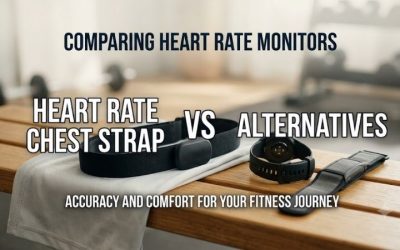
Chest Strap vs. Other Heart Rate Monitors
| Device | Measurement method | Primary advantage | Main limitation |
|---|---|---|---|
| Electrical chest strap | Cardiac electrical signals | Dedicated exercise sensing | Requires chest contact |
| Optical smartwatch | Optical pulse sensing | Convenient everyday wear | Fit and motion effects |
| Optical armband | Optical pulse sensing | Alternative wearing position | Device compatibility |
| Exercise machine grips | Contact-based sensors | Integrated into equipment | Hand-position requirements |
| Smart ring | Optical sensing | Small wearable | Activity-specific limitations |
Chest Strap vs. Smartwatch
Smartwatches are convenient for everyday tracking.
A dedicated chest strap may be preferable for users who want electrical sensing during exercise.
Chest Strap vs. Optical Armband
Optical armbands can provide another wearing option.
Their performance and compatibility depend on the exact design.
Chest Strap vs. Exercise Machine Grips
Built-in grip sensors may require maintaining contact with specific handles.
A compatible chest strap can provide measurements independently of hand placement.
Setting Up a Heart Rate Chest Strap
Confirm Compatibility
Check the receiving device’s supported protocols.
Adjust the Strap
Use the correct size and tension.
Prepare the Electrodes
Follow instructions regarding moisture and skin contact.
Attach the Module
Secure the electronics correctly.
Pair the Device
Use the appropriate connection process.
Verify Heart Rate Data
Confirm that the receiving device displays plausible, stable readings before exercise.
Clean After Use
Follow the recommended care procedure.
Store Properly
Allow the strap to dry and protect the electronics from unsuitable storage conditions.
Common Mistakes When Buying a Chest Strap
Assuming Bluetooth Guarantees Compatibility
The receiving device must support the relevant service or data format.
Ignoring Strap Size
Poor fit can cause discomfort and signal problems.
Overlooking Simultaneous Connection Limits
Not every sensor supports several Bluetooth receivers.
Confusing HRV Support With Automatic HRV Analysis
Compatible software may be necessary.
Assuming Waterproof Means Live Underwater Bluetooth
Water resistance and radio transmission are different features.
Neglecting Textile Strap Maintenance
Poor care can shorten strap service life and affect electrode contact.
Frequently Asked Questions
Are Chest Strap Heart Rate Monitors More Accurate Than Smartwatches?
Electrical chest straps and optical smartwatches use different sensing methods. A properly fitted chest strap can provide reliable exercise heart rate data, but accuracy varies by device and conditions.
Is ANT+ Necessary for a Heart Rate Chest Strap?
Not always. ANT+ is useful when your receiving equipment supports or requires it. Bluetooth alone may be sufficient for other setups.
Can a Chest Strap Connect to Two Devices at Once?
Some can, but connection limits vary by model and protocol. Check the manufacturer’s specifications.
Do All Chest Straps Measure HRV?
No. HRV support depends on available sensor data, transmission capabilities, and receiving software.
Can You Use a Chest Strap Without a Phone?
Some straps work with compatible watches or exercise equipment. Certain models also support onboard recording.
How Often Should You Replace a Chest Strap?
Replacement depends on wear, electrode condition, fit, and manufacturer guidance. There is no single replacement interval that applies to every strap.
Conclusion
The right heart rate chest strap should provide reliable electrical sensing, comfortable fit, and compatibility with the devices you actually use. Prioritize Bluetooth and ANT+ support, connection limits, electrode quality, battery maintenance, and replacement-part availability. Advanced features such as HRV transmission and onboard memory are valuable when supported by your training setup, but dependable heart rate monitoring remains the primary buying requirement.




Write Your Review
No reviews yet. Be the first to share your experience!