
Key takeaways
-
Best Overall: Polar H10
-
Best Advanced Multisport Monitor: Garmin HRM 600
-
Best Rechargeable Chest Strap: Wahoo TRACKR HEART RATE
-
Best Value: Polar H9
-
Best Garmin Training Essential: Garmin HRM 200
-
Best Budget Rechargeable Alternative: COOSPO H9Z

Quick Verdict: Best Heart Rate Chest Straps
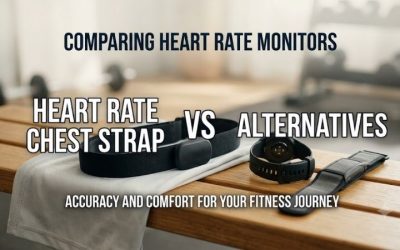
The best heart rate chest strap should provide dependable exercise heart-rate measurements, a comfortable fit, and wireless connectivity with the devices you actually use. Unlike wrist-based optical monitors, most chest straps detect electrical signals associated with heartbeats. These six options range from versatile everyday sensors to advanced multisport monitors with onboard recording and additional running metrics.
Quick Verdict: Best Heart Rate Chest Straps
The Polar H10 is our best overall choice for buyers wanting versatile connectivity, one-session onboard recording, and an established electrical heart-rate monitoring system.
The Garmin HRM 600 is better suited to athletes who want advanced running dynamics and standalone activity recording, while the Polar H9 delivers many of the essential heart-rate functions at a lower equipment tier.
Our recommendations:
-
Best Overall: Polar H10
-
Best Advanced Multisport Monitor: Garmin HRM 600
-
Best Rechargeable Chest Strap: Wahoo TRACKR HEART RATE
-
Best Value: Polar H9
-
Best Garmin Training Essential: Garmin HRM 200
-
Best Budget Rechargeable Alternative: COOSPO H9Z
Quick Verdict: Best Heart Rate Chest Straps
Quick Comparison Table
| Product | Best For | Connectivity | Power | Main Trade-Off |
|---|---|---|---|---|
| Polar H10 | Overall training | Bluetooth, ANT+, 5 kHz GymLink | Replaceable CR2025; up to 400 hours | No rechargeable battery |
| Garmin HRM 600 | Advanced multisport workouts | Bluetooth and ANT+ | Rechargeable | Premium price; advanced metrics need compatible devices |
| Wahoo TRACKR HEART RATE | Rechargeable everyday use | Bluetooth and ANT+ | Rechargeable; over 100 active hours | No onboard workout recording |
| Polar H9 | Everyday value | Bluetooth, ANT+, 5 kHz GymLink | Replaceable CR2025; up to 400 hours | No onboard memory |
| Garmin HRM 200 | Basic Garmin-compatible training | Bluetooth and ANT+ | Replaceable battery; up to one year | No advanced running dynamics |
| COOSPO H9Z | Budget rechargeable tracking | Bluetooth and ANT+ | Rechargeable; approximately 50 hours | Less advanced ecosystem |
How We Selected These Heart Rate Chest Straps
These recommendations prioritize identifiable electrical chest-strap monitors with documented wireless connectivity and established fitness applications.
We evaluated sensing method, wireless protocols, simultaneous device connections, battery design, strap comfort, water resistance, recording capabilities, and supported training metrics.
Chest straps generally detect cardiac electrical activity rather than relying on light reflected from the skin. This can provide advantages during exercise involving abrupt intensity changes, but it does not make every chest strap medically diagnostic or immune to measurement errors.
We also distinguished ordinary heart-rate transmission from advanced features such as onboard memory, heart-rate variability information, and running dynamics.
These recommendations are based on manufacturer specifications and published evaluations rather than firsthand testing.
Detailed Product Recommendations
1. Polar H10 — Best Heart Rate Chest Strap Overall
Best For: Runners, cyclists, gym users, and fitness enthusiasts who want versatile heart-rate tracking across multiple devices.
Why We Picked It: The Polar H10 combines electrical heart-rate detection, Bluetooth, ANT+, 5 kHz GymLink, and internal recording for one workout session.
Key Specifications:
-
Measurement method: Electrical
-
Connectivity: Bluetooth Low Energy, ANT+, and 5 kHz GymLink
-
Simultaneous Bluetooth connections: Two
-
Battery: Replaceable CR2025
-
Manufacturer-rated battery life: Up to 400 hours
-
Water resistance: WR30
-
Internal memory: One training session
-
Memory capacity: Up to approximately 30 hours
-
Strap: Polar Pro Strap
-
Sensor module weight: Approximately 21 g
-
Total weight with strap: Approximately 60 g
Features & Benefits
The H10’s connectivity is one of its strongest advantages.
Bluetooth allows pairing with compatible phones, watches, and exercise equipment. ANT+ provides another wireless option for cycling computers and other supported fitness devices.
The two simultaneous Bluetooth connections are particularly helpful when a user wants to send heart-rate data to both a training device and another compatible receiver.
The Polar Pro Strap includes a soft textile construction, silicone grip elements, and a secure fastening system.
Performance & Practical Use
The H10 detects electrical heart activity through electrodes in the chest strap.
For reliable readings, the electrode areas should make good contact with the skin. Slightly moistening the electrodes before use may help, particularly in dry conditions.
The internal recording feature allows one session to be stored through the supported Polar recording workflow.
However, the H10 is not a standalone medical ECG diagnostic device, and stored recording functionality depends on compatible software.
What Makes It Different: It combines multiple wireless protocols, dual Bluetooth connections, and onboard memory in a broadly compatible chest sensor.
Pros:
-
Bluetooth, ANT+, and GymLink connectivity
-
One-session internal recording
-
Up to 400 hours of rated battery life
Cons:
-
Requires periodic battery replacement
-
More expensive than entry-level straps
Buy If: You want a versatile chest strap that works with multiple training environments.
Skip If: You only need basic heart-rate transmission at the lowest possible price.
2. Garmin HRM 600 — Best Advanced Multisport Chest Strap
Best For: Runners and multisport athletes who want advanced training metrics alongside heart-rate monitoring.
Why We Picked It: The Garmin HRM 600 provides electrical heart-rate sensing, rechargeable power, supported standalone activity recording, and advanced running dynamics with compatible Garmin devices.
Key Specifications:
-
Measurement: Electrical heart-rate monitoring
-
Connectivity: Bluetooth and ANT+
-
Battery: Rechargeable
-
Charging: Garmin-compatible charging interface
-
Recording: Supported standalone activity recording
-
Advanced features: Running dynamics with compatible devices
-
Strap: Adjustable textile design
-
Fit: Multiple strap sizes
-
Training ecosystem: Garmin
Features & Benefits
The HRM 600 offers more than basic heart-rate broadcasting.
Compatible Garmin devices can access additional running-related information, including metrics derived from the sensor’s motion detection.
Standalone activity recording also provides flexibility for supported workouts when the user is not wearing or actively recording on a watch.
Performance & Practical Use
The HRM 600 is best suited to athletes who already use compatible Garmin training devices.
Its additional metrics may have limited value when paired with third-party applications that only receive heart rate.
Compatibility should therefore be evaluated feature by feature rather than assuming Bluetooth pairing unlocks every function.
What Makes It Different: It combines electrical heart-rate monitoring with advanced Garmin running metrics and recording capabilities.
Pros:
-
Advanced running dynamics
-
Rechargeable battery
-
Supported standalone recording
Cons:
-
Premium price
-
Full functionality depends on compatible Garmin devices
Buy If: You use Garmin training equipment and want more than basic beats-per-minute data.
Skip If: You only need standard Bluetooth heart-rate transmission.
3. Wahoo TRACKR HEART RATE — Best Rechargeable Chest Strap
Best For: Cyclists, runners, and gym users who want a rechargeable sensor with broad wireless compatibility.
Why We Picked It: The TRACKR HEART RATE combines rechargeable power, Bluetooth, ANT+, and support for multiple simultaneous Bluetooth connections.
Key Specifications:
-
Measurement: Electrical heart-rate sensing
-
Connectivity: Bluetooth and ANT+
-
Simultaneous Bluetooth connections: Up to three
-
Battery: Rechargeable lithium-ion
-
Rated battery life: Over 100 active hours
-
Charging: USB-C to magnetic charging interface
-
Water resistance: IPX7
-
Weight including strap: Approximately 39 g
-
Maximum supported chest circumference: Approximately 50 inches
-
Strap: Adjustable textile design
Features & Benefits
Rechargeable power eliminates routine coin-cell replacement.
The magnetic charging interface provides a convenient way to replenish the battery between workouts.
Support for up to three simultaneous Bluetooth connections is particularly attractive for users who combine a cycling computer, training application, and compatible fitness equipment.
Performance & Practical Use
The TRACKR is suitable for regular heart-rate monitoring during cycling, running, and indoor workouts.
Its electrical sensing system provides heart-rate and compatible heart-rate variability information.
However, it does not provide the standalone activity recording features associated with more advanced multisport sensors.
The included strap should be washed according to the manufacturer’s care instructions, and the sensor must be handled correctly around water.
What Makes It Different: It combines rechargeable power with multiple Bluetooth connections and a relatively lightweight design.
Pros:
-
Over 100 active hours of rated battery life
-
Three simultaneous Bluetooth connections
-
Rechargeable battery
Cons:
-
Rechargeable battery is not user-replaceable
-
No onboard workout recording
Buy If: You want a rechargeable everyday chest strap for multiple compatible devices.
Skip If: You need standalone workout memory or advanced running dynamics.
4. Polar H9 — Best Value Heart Rate Chest Strap
Best For: Buyers who want accurate electrical heart-rate monitoring without paying for the H10’s additional features.
Why We Picked It: The Polar H9 retains the essential sensing method and broad wireless support of the H10 while omitting onboard memory and dual Bluetooth connections.
Key Specifications:
-
Measurement method: Electrical
-
Connectivity: Bluetooth, ANT+, and 5 kHz GymLink
-
Simultaneous Bluetooth connections: One
-
Battery: Replaceable CR2025
-
Rated battery life: Up to 400 hours
-
Water resistance: WR30
-
Strap: Polar Soft Strap
-
Internal workout memory: None
Features & Benefits
The H9 delivers the core functions most exercise users need.
It transmits heart-rate information to compatible training devices and applications without requiring a premium monitor.
The Polar Soft Strap is designed for comfortable chest contact during exercise.
Performance & Practical Use
The H9 uses electrical measurement and shares the same general sensing principle as the H10.
However, its lack of internal recording means that the receiving device or application must record workout information when needed.
The H9 also supports only one Bluetooth connection at a time, although compatible ANT+ and GymLink transmission can provide additional communication options.
What Makes It Different: It offers Polar’s established electrical sensing approach while omitting features that many users never need.
Pros:
-
Bluetooth, ANT+, and GymLink
-
Up to 400 hours of rated battery life
-
Lower equipment tier than H10
Cons:
-
No internal session recording
-
One Bluetooth connection
Buy If: You need a dependable chest sensor for ordinary running, cycling, or gym workouts.
Skip If: You need dual Bluetooth connections or offline recording.
5. Garmin HRM 200 — Best Garmin Training Essential
Best For: Garmin users who want straightforward heart-rate and heart-rate variability transmission.
Why We Picked It: The HRM 200 provides essential chest-strap monitoring without the additional running-dynamics features of premium Garmin models.
Key Specifications:
-
Measurement: Heart rate and supported HRV data
-
Connectivity: Bluetooth and ANT+
-
Battery: Replaceable
-
Rated battery life: Up to one year under manufacturer conditions
-
Strap sizes: XS–S and M–XL
-
Strap care: Machine-washable strap after removing module
-
Status indicator: LED
-
Training ecosystem: Garmin and compatible devices
Features & Benefits
The HRM 200 provides basic monitoring for exercise equipment, cycling computers, and compatible watches.
The replaceable battery offers long operating life without requiring frequent charging.
Two strap sizes provide additional flexibility when selecting a comfortable fit.
Performance & Practical Use
The HRM 200 is appropriate for everyday training and interval workouts.
However, it should not be purchased with the expectation of receiving the same advanced running dynamics as the HRM 600.
Its strongest value is delivering essential heart-rate information through widely supported wireless protocols.
What Makes It Different: It provides a straightforward modern Garmin chest sensor with a long-life replaceable battery.
Pros:
-
Bluetooth and ANT+
-
Up to one year of rated battery life
-
Two strap-size options
Cons:
-
No advanced running dynamics
-
Fewer specialized features than HRM 600
Buy If: You want basic compatible heart-rate tracking within the Garmin ecosystem.
Skip If: You need standalone activity recording or advanced multisport data.
6. COOSPO H9Z — Best Budget Rechargeable Chest Strap
Best For: Budget-conscious exercisers wanting Bluetooth and ANT+ monitoring with rechargeable power.
Why We Picked It: The COOSPO H9Z combines electrical heart-rate detection, rechargeable battery operation, and dual wireless protocol support.
Key Specifications:
-
Measurement: Electrical chest-strap sensor
-
Connectivity: Bluetooth and ANT+
-
Battery: Rechargeable
-
Rated operating time: Approximately 50 hours
-
Water resistance: IP67
-
Strap: Adjustable
-
Intended use: Running, cycling, and compatible fitness equipment
Features & Benefits
The H9Z offers the essential connection options needed for many modern training devices.
Rechargeable power reduces the need to purchase and replace coin-cell batteries.
Its adjustable strap accommodates different chest sizes, subject to the manufacturer’s specified range.
Performance & Practical Use
The H9Z is a practical choice for users who mainly need real-time beats-per-minute data.
However, it does not provide the same advanced app ecosystem or workout recording features as premium devices.
A published IP67 rating also should not be interpreted as approval for underwater swimming heart-rate transmission.
What Makes It Different: It offers rechargeable electrical sensing and dual wireless connectivity in a budget-focused product.
Pros:
-
Rechargeable power
-
Bluetooth and ANT+
-
Budget-oriented positioning
Cons:
-
Shorter rated operating time than coin-cell alternatives
-
Limited advanced features
Buy If: You want a rechargeable chest strap for everyday training without premium pricing.
Skip If: You need offline recording or specialized running metrics.
Buying Guide: How to Choose a Heart Rate Chest Strap
Electrical Versus Optical Heart-Rate Measurement
Most chest straps use electrodes to detect electrical signals associated with heartbeats.
Wrist-based sports watches generally rely on optical sensors that estimate blood-volume changes.
Both can be useful, but electrical chest sensors often perform well during exercise involving rapid intensity changes.
However, correct skin contact is essential, and no consumer fitness sensor should be treated as a substitute for medical diagnostic equipment.
Bluetooth Versus ANT+
Bluetooth is widely supported by smartphones, tablets, watches, and modern exercise equipment.
ANT+ is common in cycling computers and specialized fitness devices.
A strap supporting both protocols offers more flexibility.
However, the receiving device must support the appropriate heart-rate profile.
Simultaneous Connections
Some chest straps allow only one active Bluetooth connection.
Others, such as the Polar H10 and Wahoo TRACKR, support multiple simultaneous Bluetooth receivers.
This is important when a user wants to record the same session through more than one device.
Onboard Recording
Most basic chest straps broadcast heart rate to a nearby receiver.
The Polar H10 and certain advanced Garmin models can record supported sessions under specific workflows.
This distinction matters if you regularly exercise without keeping a phone or watch nearby.
Battery Type and Maintenance
Replaceable coin-cell batteries offer long operating life and straightforward replacement.
Rechargeable batteries reduce disposable battery use but require periodic charging.
Neither design is universally superior.
Strap Comfort and Fit
The strap must remain securely in contact with the skin without causing excessive pressure.
A loose strap can create inconsistent electrode contact, while an excessively tight strap may be uncomfortable.
Check the supported chest circumference and available strap sizes.
Water Resistance
A waterproof rating describes the manufacturer’s approved environmental protection.
It does not guarantee that wireless signals will transmit underwater.
Bluetooth and ANT+ do not reliably transmit through water, so swimming compatibility requires special consideration.
Heart-Rate Variability Compatibility
Some sensors transmit R-R interval data that compatible applications can use for heart-rate variability analysis.
However, HRV functionality depends on both the sensor and receiving software.
Do not assume that every application can access the same information.
Cleaning and Storage
Remove the sensor module from the strap when instructed.
Rinse or wash the textile strap according to the manufacturer’s care guidance.
Proper cleaning can help maintain electrode contact and reduce buildup from sweat.
Frequently Asked Questions
Are Chest Straps More Accurate Than Smartwatches?
Electrical chest straps often provide more consistent exercise heart-rate readings, particularly during rapid changes in intensity. However, performance depends on fit, device quality, and conditions.
Is Polar H10 Better Than Polar H9?
The H10 adds one-session onboard recording, dual Bluetooth connections, and the Polar Pro Strap. The H9 provides essential heart-rate monitoring at a lower equipment tier.
Can Chest Straps Connect to Exercise Bikes?
Yes, when the exercise bike supports a compatible Bluetooth, ANT+, or other specified heart-rate receiving protocol.
Can You Use a Chest Strap Without a Smartwatch?
Yes. Many straps can connect directly to compatible phone applications, cycling computers, or exercise equipment.
Do Heart Rate Chest Straps Measure HRV?
Some transmit the R-R interval information required by compatible HRV applications. Support varies by sensor and software.
How Often Should You Replace a Chest Strap?
Replacement depends on physical wear, electrode performance, and manufacturer guidance. Replace damaged straps or those that cannot maintain reliable contact.
Conclusion
The Polar H10 is the best heart rate chest strap for most users because it combines flexible connectivity, reliable electrical sensing, and onboard session recording. Choose the Garmin HRM 600 for advanced multisport metrics, Wahoo TRACKR for rechargeable convenience, Polar H9 for everyday value, or COOSPO H9Z for an affordable rechargeable alternative.




Write Your Review
No reviews yet. Be the first to share your experience!