
Our Top Picks
 FIT KING Upgraded Cordless Calf Massager for CirculationCordless Calf Massager14.3 x 8.3 x 2.8 inches2 PoundsCheck on Amazon
Best Calf Massagers for Recovery and Circulation: Choose by Fit, Heat, and Runtime
The best calf massagers for most people are cordless, adjustable compression sleeves with at least three pressure levels, separate heat control, and enough circumference adjustment to fit comfortably over the widest part of the calf. If you need long sessions without recharging, choose a corded model; if you have particularly large calves, prioritize measured fit over extra modes.
Calf massagers vary more in sizing and pressure feel than their feature lists suggest. The comparison below focuses on what affects everyday use. Product specifications can change between versions, so check the manufacturer’s current manual and size chart before buying.
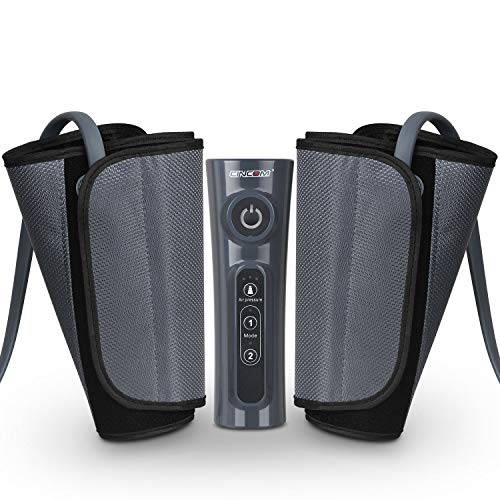
CINCOM Leg Massager for Circulation and Pain Relief FSA - HSA
Chosen because it specifies HSA.
View on AmazonFIT KING Upgraded Cordless Calf Massager for Circulation, Rechargeable Leg Compression Massager for Pain Relief, Relax, Edema & Muscle Recovery, 3 Modes Intensities, Gift for Mom Dad, Athlete
Chosen because it specifies Rechargeable Leg Compression Massager for Pain Relief and Relax.
View on Amazon
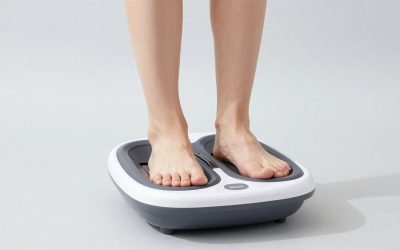
COMFIER Shiatsu Foot & Calf Massager with Heat,2 in 1 Ottoman,FSA Eligible
Chosen because it specifies 2 in 1 Ottoman and FSA Eligible.
View on Amazon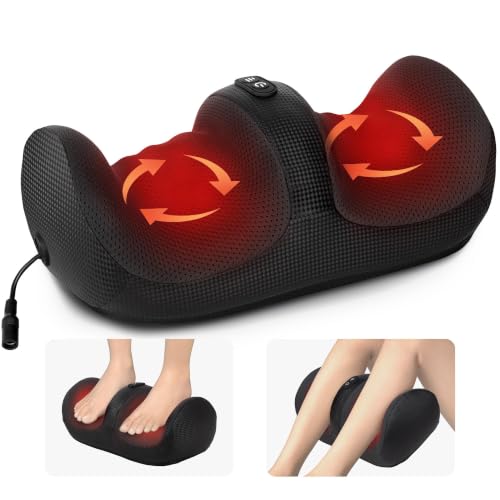
Medcursor Foot Massager with Heat, Foot and Calf Massager with Deep Massage Roller, Pain Relief for Plantar Fasciitis & Neuropathy, Relaxation for Home or Office Use (Not Cordless)
Chosen because it specifies Foot and Calf Massager with Deep Massage Roller and Pain Relief for Plantar Fasciitis & Neuropathy.
View on AmazonCompare the main options
| Type | Typical sleeve fit | Compression and modes | Heat coverage | Battery and noise | Best for |
|---|---|---|---|---|---|
| Therabody RecoveryAir JetBoots | Leg-length sizing; intended to cover the legs from feet upward, not just calves. Measure against the brand’s chart. | Four overlapping air chambers; adjustable pressure, time, and inflation sequence. | No heat. | Cordless, with an advertised battery life of up to four hours; pump noise is audible. | People who want a premium, full-leg compression system and do not need heat. |
| Hyperice Normatec 3 Legs | Full-leg sleeves in size options; check leg-length and circumference guidance before choosing. | Seven compression levels and five overlapping zones; app control is available. | No heat. | Control unit is rechargeable; pump produces noticeable operating noise. | Frequent users who want a well-known, adjustable full-leg system. |
| FIT KING cordless leg massager | Wraparound sleeves with adjustable straps; versions differ, so verify the listed maximum calf circumference. | Common versions offer three modes and three intensity levels, using air compression. | Heat is included on some versions; placement and settings vary. | Rechargeable on cordless versions; runtime and noise depend on the model. | Shoppers seeking a lower-cost, calf-focused option with simple controls. |
| RENPHO leg massager | Adjustable wraps; the exact calf range varies by model. | Air compression with multiple modes and pressure settings on many versions. | Available on some models, usually as a gentle warmth feature. | Check whether the exact version is cordless; corded versions avoid battery limits. Pump noise varies. | People comparing feature-rich wrap designs at a moderate market price. |
| Corded air-compression calf sleeves | Often adjustable, but some designs have a fixed sleeve circumference. | Typically a few pressure levels and preset sequences. | Optional; many basic models omit it. | No battery limit; the pump’s sound and hose reach matter for where you can use it. | Regular home use near an outlet, especially when charging is inconvenient. |
Use the table as a shortlist, not as a substitute for a model-specific size chart. “Leg massager” can mean a calf wrap, a knee-to-ankle sleeve, or a full-leg boot, and specifications are not interchangeable across product generations.
Pick by situation
- For a tight budget or occasional use: Consider a basic wraparound air-compression model. Pay for a secure, adjustable fit before paying extra for app control or many presets.
- For frequent recovery routines: A full-leg system such as Normatec 3 or RecoveryAir JetBoots offers broader coverage and more control. It costs more and takes up more storage space than calf-only wraps.
- For warmth: Choose a model that explicitly lists heat and shows where it is applied. Heat is not the same as compression, and warmth may cover only part of the sleeve.
- For shared use or larger calves: Favor wide, independently adjustable straps and a published maximum circumference. A sleeve that fits one household member may not fit another.
- For quiet use: Air pumps make noise as they inflate and release. If you plan to use a massager while watching television or in a shared room, look for a return policy and manufacturer noise information; “quiet” is not a standardized measurement.
How to get the right fit
Measure both calves at their widest point while standing relaxed, using a soft tape without compressing the skin. Measure again at the height where the sleeve’s widest panel will sit. Use the larger measurement if your legs differ, and compare it with the manufacturer’s maximum circumference—not the sleeve’s flat width.
For example, if your calf measures 17 inches and a wrap’s published maximum is 18 inches, you have only 1 inch of nominal allowance. That may be enough for adjustment, but the actual fit also depends on panel shape, clothing underneath, and where the straps land. If your measurement is at or beyond the stated maximum, choose a larger design rather than forcing the fasteners closed.
Check sleeve length as well as circumference. A short wrap may leave the upper calf uncovered; a full-leg boot may be unnecessarily bulky if you only want calf compression. When a manufacturer does not publish a circumference range, ask before purchasing rather than relying on photos.
What the feature labels mean in practice
Compression levels and massage modes
More settings provide more ways to adjust a session, but a higher maximum pressure is not automatically better. Air-compression devices inflate chambers in a sequence; modes generally change that sequence or the way pressure is held. Look for clearly stated pressure levels and simple controls, then begin with a low setting. If the device causes pain, numbness, tingling, or unusual discomfort, stop using it.
Heat coverage
Some sleeves warm the calf through small heating elements, while others have no heat at all. Check whether heat can be switched off independently and whether the manual specifies a temperature range. Do not assume that a heated sleeve warms the entire calf evenly; placement and fabric layers affect what you feel.
Battery life and noise
Battery claims are usually based on particular settings and session lengths. A useful comparison is sessions per charge: a 30-minute session repeated four times takes two hours of operating time, before allowing for differences in pressure, heat, and battery age. If the maker does not state session runtime, treat “cordless” as a convenience feature, not a guarantee of all-day use. Corded models avoid charging but tie you to the outlet and hose reach.
Ownership: cleaning, wear, and common mistakes
Air-compression sleeves rely on fabric, seams, hook-and-loop fasteners, hoses, and a pump. Straps and closures often show wear first, especially if repeatedly pulled tight or stored while fastened to rough fabric. Keep hoses unkinked, avoid carrying the pump by its tubing, and store the sleeves dry and loosely folded. Follow the maker’s cleaning instructions; many electronic sleeves should be wiped rather than submerged or machine-washed.
Avoid wearing a sleeve over wet skin or applying lotions immediately beforehand, since moisture and residue can affect fabric and fasteners. Do not use a pressure setting that makes the sleeve painful just to “feel more benefit.” Check the warranty for coverage of the control unit, battery, and sleeves separately, and confirm whether replacement parts are available.
Safety and when to ask a professional
These products are for general comfort and relaxation, not a substitute for medical assessment or treatment. Ask a clinician before using compression or heat if you have a circulation condition, reduced sensation, a history of blood clots, significant swelling, skin problems, or another relevant health concern. Seek prompt medical advice for sudden or unexplained calf pain or swelling, particularly if it affects one leg.
Bottom line
For occasional use, a well-sized adjustable wrap is usually the practical choice. For frequent sessions and coverage beyond the calves, compare full-leg systems such as Hyperice Normatec 3 Legs and Therabody RecoveryAir JetBoots. If heat or battery convenience is essential, verify those features on the exact model—and let your measured calf circumference, not the number of massage modes, make the final decision.
Write Your Review
No reviews yet. Be the first to share your experience!