
Key takeaways
- Best Clinical Grade Ems and Tens Combo Therapy Units in 2026: Compared and Ranked
- How to Choose Home Saunas: What Actually Matters
- How to Choose Professional Grade Leg Press Machines for Home Gyms: What Actually Matters
- How to Choose Pickleball Nets: What Actually Matters
- How to Choose Lacrosse Rebounders: What Actually Matters
What's inside
- Decoding the Dual-Function Difference: TENS Versus EMS
- Channel Independence and Targeted Placement
- Waveform Variability and Frequency Adjustments
- Power Source Reliability and Battery Life
- Electrode Pad Compatibility and Skin Interfacing
- Safety Protocols, Compliance, and FDA Clearance
- Assessing Portability Versus Desktop Power
- Related Guides
- FAQ
- Related Guides
Navigating the market for recovery gear can feel overwhelming, especially when you are trying to bridge the gap between physical therapy clinic equipment and home use. When you are dealing with persistent muscle soreness, joint stiffness, or rehabilitation needs after an intense training cycle, investing in a dual-channel device that offers both Transcutaneous Electrical Nerve Stimulation and Electrical Muscle Stimulation is a smart move. However, not all dual-mode devices are built to the same standards, and marketing terms like “clinical grade” can sometimes mask underwhelming performance and cheap internal components.
- Decoding the Dual-Function Difference: TENS Versus EMS
- Channel Independence and Targeted Placement
- Waveform Variability and Frequency Adjustments
- Power Source Reliability and Battery Life
- Electrode Pad Compatibility and Skin Interfacing
- Safety Protocols, Compliance, and FDA Clearance
- Assessing Portability Versus Desktop Power
- Related Guides
- FAQ
- Related Guides
In this comprehensive guide, we cut through the industry jargon to help you focus on the actual performance metrics, safety certifications, and feature sets that dictate how well a device will perform. Whether you are an endurance athlete looking to speed up recovery between heavy training blocks or someone managing chronic discomfort, understanding what separates a professional-tier machine from a basic consumer gadget will save you time, money, and frustration. Let us break down the exact criteria you should evaluate before making your investment, ensuring you get a machine that delivers real therapeutic value in 2026.
As an Amazon Associate we earn from qualifying purchases at no extra cost to you. Product prices and availability are accurate as of the date shown and are subject to change.
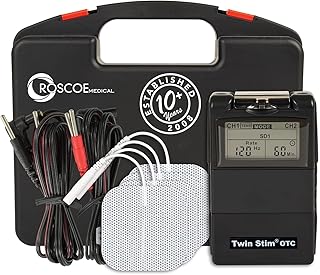
Decoding the Dual-Function Difference: TENS Versus EMS
The single most important step in choosing a combo unit is understanding how the two primary modalities function and how they should be applied to your body. TENS is designed primarily for pain relief by sending electrical impulses through the surface of the skin to underlying nerve fibers, which helps block pain signals from reaching the brain. On the other hand, EMS is engineered to target motor nerves, causing muscles to contract and relax rhythmically. This muscle stimulation mimics natural exercise patterns to aid in recovery, prevent disuse atrophy, and improve local blood circulation. A true clinical-grade unit provides distinct, optimized waveforms for each function rather than simply recycling the same electrical output with a different label on the screen.
Channel Independence and Targeted Placement
When evaluating hardware specifications, pay close attention to whether the unit features true dual channels or multi-channel architecture. Dual-channel capability means the device features four independent lead wires that connect up to eight electrode pads at once. More importantly, clinical-grade devices allow you to adjust the intensity, pulse width, and frequency independently for each channel. This is crucial if you are treating two entirely different muscle groups or managing asymmetrical pain—for instance, working a fatigued quad while simultaneously applying pain-relief frequencies to a sore lower back. Avoid single-channel units or devices with shared channel controls if you require precision tuning for complex recovery routines.
Waveform Variability and Frequency Adjustments
The sophistication of a therapy unit is largely determined by its range of pre-set and customizable waveforms. Basic consumer units often feature fixed programs that can cause your body to accommodate the stimulus quickly, rendering the treatment less effective over time. Clinical-grade options offer a wide spectrum of adjustable frequencies, ranging from low-frequency endorphin-release settings to high-frequency gate-control pain management. Look for devices that allow you to modify pulse duration and modulation patterns. This variability ensures that you can continuously challenge your sensory and motor nerves appropriately without causing skin irritation or muscular fatigue from repetitive, unvaried electrical currents.
Power Source Reliability and Battery Life
Power delivery impacts both the consistency of the treatment and the overall longevity of the device. Many budget units rely on standard alkaline batteries that drop in output voltage as they drain, leading to weaker contractions and less effective pain management midway through a session. High-end, professional models typically utilize rechargeable lithium-ion battery systems that maintain a steady, regulated current throughout the entire battery cycle. When shopping, consider how often you plan to travel with your unit. A reliable rechargeable battery with a clear digital power indicator ensures your device will not shut down unexpectedly in the middle of a vital post-workout recovery protocol.
Electrode Pad Compatibility and Skin Interfacing
The interface between the machine and your body consists of the lead wires and the adhesive electrode pads, an area where manufacturers frequently cut corners. Clinical-grade units generally utilize standard pin-style or snap-on connections that allow you to source replacement pads easily without being locked into a proprietary ecosystem. Furthermore, the quality of the conductive gel on the pads dictates how comfortably the electrical current is distributed. Low-quality pads create hot spots that cause stinging sensations on the skin, whereas high-density gel pads distribute the micro-currents evenly across the entire surface area, maximizing therapeutic penetration while protecting sensitive skin.
Safety Protocols, Compliance, and FDA Clearance
Electrical stimulation devices interact directly with your nervous and muscular systems, making safety compliance non-negotiable. Always verify that any device you consider carries the appropriate regulatory clearances, such as FDA approval or clear medical-device certifications for over-the-counter use. Clinical-grade equipment should feature robust built-in safety mechanisms, including open-circuit detection that instantly cuts power if an electrode pad peels away from the skin. This prevents sudden, uncomfortable surges of current and protects you from potential skin irritation or muscle cramping caused by unstable connections.
Assessing Portability Versus Desktop Power
Form factor is another major consideration depending on your lifestyle and recovery habits. Some clinical-grade units are built into robust, heavy-duty desktop housings designed primarily for stationary clinic use or dedicated home-gym setups. Others pack professional-grade chipsets into compact, handheld chassis that easily slip into a gym bag. While handheld units offer unmatched versatility for on-the-go athletes, ensure that miniaturization has not compromised output power or user-interface readability. A bright, high-contrast backlit screen and tactile physical buttons are often far superior to overly complicated touchscreen menus, especially when you are trying to adjust settings with tired or stiff hands.
Related Guides
If you are still narrowing down your options and want to see how top-performing hardware compares directly in real-world testing, take a look at our curated roundup of the best clinical grade units to find specific models that match your personal recovery protocol.
FAQ
Can I use TENS and EMS modes at the same time?
Most standard consumer and clinical-grade units operate these modes sequentially rather than simultaneously on the exact same channel, because their physiological goals differ. TENS focuses on sensory nerves for pain blocking, while EMS triggers motor nerves for muscle contraction. However, advanced multi-channel units allow you to run TENS on one channel while running EMS on another, provided they are applied to different muscle groups.
How often should I replace the electrode pads?
Electrode pads typically last between ten to twenty sessions, depending on your skin type, natural oils, and how cleanly you prep the application area. Once the gel loses its stickiness or begins to dry out around the edges, the electrical current will no longer distribute evenly, causing uncomfortable stinging sensations. Cleaning your skin with soap and water before application and placing the pads back on their plastic liner after use will significantly extend their lifespan.
What does “clinical grade” actually mean for home units?
In the context of electrical therapy, clinical-grade typically indicates that a device offers broader frequency ranges, tighter current regulation, independent multi-channel controls, and heavy-duty internal components similar to what physical therapy clinics use. While true medical devices require practitioner supervision, over-the-counter clinical-grade units offer higher build quality and more nuanced program customization than basic drugstore models.
Is it safe to use these devices over joints or the spine?
You should generally avoid placing electrode pads directly over the spinal column, the front or sides of the neck, across the brain, or over broken or infected skin. When treating joint pain in areas like the knee, shoulder, or elbow, place the pads on the surrounding soft tissue and muscle groups rather than directly over the bony prominence to ensure optimal electrical dispersion and comfort.


Write Your Review
No reviews yet. Be the first to share your experience!