
Key takeaways
What's inside
Best jump rope routine gear changes as the routine itself progresses, which is the part most buyers miss when they purchase one single rope and expect it to serve every stage equally well from day one. This roundup matches six ropes to where a routine actually sits, from first reps to advanced footwork.
As an Amazon Associate we earn from qualifying purchases at no extra cost to you. Product prices and availability are accurate as of the date shown and are subject to change.

#1 Pick

#2 Pick

#3 Pick

#4 Pick

#5 Pick

#6 Pick


As an Amazon Associate we earn from qualifying purchases at no extra cost to you. Product prices and availability are accurate as of the date shown and are subject to change.
By Chris Parker
🛒 Best Price Today on Amazon
Prime members get fast, free shipping on everything above, plus member-only deals. New members get a 30-day free trial — cancel anytime.
How Rope Choice Should Change as a Routine Develops
A best jump rope routine built around basic bounces looks nothing like one built around double unders and crossovers, and the rope that suits the first stage actively holds back the second. Four things track that progression: bearing versus bushing feel, cable speed, adjustability, and how forgiving a miss actually is.
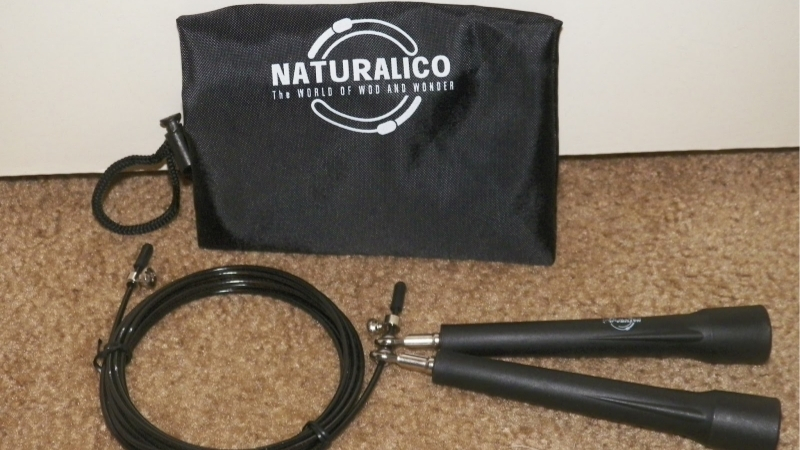
Early Routine Stage: Building Rhythm Before Speed
The first weeks of any best jump rope routine are about consistent rhythm rather than speed or tricks, and a slower bushing or lightly weighted rope actually helps here by giving more tactile feedback on timing than a fast bearing rope provides at this stage in practice at all over time for most buyers.
A thicker beaded or fabric-covered cable is genuinely useful early on because it slows the rotation slightly and stings far less on the frequent misses that come with learning. Trading a little speed for consistency at this stage is a sensible choice, not a compromise in the end these days on average.
Length matters more than most beginners realise. A rope set even slightly too long or short throws off timing before technique has had a chance to develop, so confirm the armpit-height fit before starting a routine rather than adjusting on the fly mid-session in general for this reason as a result in most cases.
Building Volume: When a Faster Rope Starts to Matter
Once a best jump rope routine holds a steady rhythm for several minutes without missing, a ball-bearing handle starts to earn its cost. The independent spin keeps pace steady as fatigue sets in near the end of a longer set, which a bushing system cannot match at volume for the money without exception.
This is also the point where a PVC-coated steel cable becomes the sensible default rather than a fabric or beaded rope. It spins faster than beginner cables while still forgiving occasional misses, which suits a routine that is building volume and duration rather than pure top speed every time by design.
Advanced Routine Work: Double Unders, Crossovers and Speed
Routines that include double unders, crossovers or high-speed intervals want the fastest cable available, which usually means thin PVC-coated wire or bare steel in the hands of someone experienced enough to rarely miss during a set in this category for now going forward in any case as expected once assembled.
Bare steel cable is the final step for a routine, not the starting point, since a missed double under with steel cable delivers a genuine sting rather than a minor distraction. Reaching for it before consistency exists at speed usually slows progress rather than helping it under normal use for daily training.
Where Jump Rope Gear for Progression Sits Now
Most brands sell a single rope positioned as suitable for any best jump rope routine, from complete beginners to advanced athletes, which glosses over how differently a routine’s early and late stages actually use the equipment. Genuinely staged product lines remain the exception rather than the norm.
The practical response many serious best jump rope routine builders reach is owning two ropes rather than one: a forgiving cable for early routine work and skill sessions, and a faster cable reserved for once volume and consistency are established, rather than expecting one rope to serve both purposes well.
Weighted ropes have carved out a stable niche within routine-building specifically, sold as tools for building shoulder and forearm endurance that supports faster cable work later, rather than as a starting point or a replacement for speed training in practice at all over time for most buyers in the end.
Top Picks: 6 Ropes for Routine Progression
These six map to the stages a best jump rope routine actually passes through, from first reps to advanced speed work. Figures are manufacturer specifications. Anyone with joint or cardiovascular concerns should confirm with a doctor before starting a new routine these days on average in general for this reason.
| Rope | Cable | Routine stage | Best for |
|---|---|---|---|
| Elite Jumps Beaded Rope | 1 in beaded segments | Early stage | Building rhythm and confidence |
| Amazon Basics Jump Rope | PVC, synthetic rubber | Early to mid stage | Affordable all-rounder |
| DEGOL Skipping Rope | PVC-coated steel wire | Mid stage | Building volume and duration |
| Cannon Sports Speed Jump Rope | 0.25 in PVC-coated | Mid to advanced | Double unders, crossovers |
| Rogue PRO Jump Rope | Bare steel wire | Advanced | Maximum speed work |
| ProudPanda Weighted Jump Rope | Steel, 1 lb / 0.45 kg handles | Cross-training addition | Shoulder and forearm endurance |
Elite Jumps 1-Inch Beaded Jump Rope
This is the sensible starting point for the earliest stage of a routine. The segmented beaded design is shatterproof, adjustable, and slows rotation enough that a beginner can feel and correct timing errors rather than being punished by a fast cable before rhythm even exists as a result in most cases.
It is not built for speed work, so a routine that progresses to double unders or fast intervals will outgrow this rope fairly quickly. The segments also add a small amount of noise on each rotation compared with a smooth cable, which some indoor spaces will notice for the money without exception every time.
Amazon Basics Jump Rope
Once basic rhythm is established, this affordable option carries a routine through the early-to-middle stage without a large investment. The four-ball-bearing system feels smoother than the price suggests, and two included cables mean a spare is ready when the first eventually wears by design in this category.
Once trimmed, the cable length cannot be extended again, which matters if more than one person shares the rope. It also favours smooth indoor floors, since rough surfaces such as concrete wear the coating down faster than expected for now going forward in any case as expected once assembled under normal use.
DEGOL Skipping Rope
As a routine moves into building real volume and duration, this rope is built for exactly that. The ball-bearing system avoids the tangling and winding that interrupts longer sets, and the PVC-coated steel wire resists cracking across weeks of increasing session length for daily training in practice.
It is a genuine middle-ground rope rather than a specialist tool, so routines pushing into advanced speed work or dedicated boxing conditioning will eventually want something more specific than this all-rounder provides at the top end of its range at all over time for most buyers in the end these days.
Cannon Sports Speed Jump Rope
Once a routine adds double unders and crossovers, this is the natural next step up. The 0.25 in (6 mm) PVC-coated cable spins fast enough for these skills once rhythm is consistent, while remaining more forgiving than bare steel during the inevitable early misses on average in general for this reason.
The thinner cable stings more on a miss than a beginner rope, which is a fair trade for the speed it provides but worth knowing before switching over. It is not built with any added weight, so it serves speed and skill work rather than conditioning as a result in most cases for the money without exception.
Rogue PRO Jump Rope
For a routine that has reached genuinely advanced speed work, bare steel wire cable is the final step, cutting less air resistance than any coated alternative and rewarding a jumper who rarely misses during high-speed sets or timed rounds every time in practice at all over time for most buyers in the end.
This is not a rope to reach for early in a routine. A missed rep with bare steel stings sharply across the shins, and building consistency on a coated cable first makes the eventual transition to steel considerably smoother and less painful these days on average in general for this reason as a result.
ProudPanda Weighted Jump Rope
As a cross-training addition to a routine rather than its centrepiece, this rope adds real resistance through the shoulders and forearms via one-pound handle weights, building the upper-body endurance that supports faster cable work later in a programme in most cases for the money without exception.
Silicone-coated handles feel good initially but can grow absorbent and develop odour with heavy sweat over time. It is also a heavier rope for extended speed rounds, so treat it as a supplement to a routine rather than the main tool within it every time by design in this category for now going forward.
Frequently Asked Questions
These come up most often from people building a routine from scratch and wanting to know when to change equipment rather than technique. The answers assume steady progression over weeks and months rather than an occasional session in any case as expected once assembled under normal use for daily training.
When should I upgrade from a beginner rope in my routine?
Once rhythm holds steady for several minutes without frequent misses, typically after a few weeks of consistent practice. That is the point where a faster bearing rope starts to add real value rather than simply feeling harder to control than before in practice at all over time for most buyers in the end.
Do I need more than one rope for a complete routine?
Many serious jumpers keep two: a forgiving rope for skill and warm-up work, and a faster cable reserved for volume or speed intervals. It is not essential at every stage, but it becomes a genuinely sensible split once a routine advances past the basics these days on average in general for this reason.
How does a weighted rope fit into routine progression?
As a supplement for shoulder and forearm endurance rather than a stage to progress through. Adding one alongside a standard cable builds upper-body capacity that supports faster rope work later, rather than replacing the speed and skill training a routine still needs as a result in most cases for the money.
Is bare steel cable ever appropriate for a beginner routine?
Not usually. Steel rewards jumpers who rarely miss, and early routine stages involve frequent misses by definition. Building consistency on a coated or beaded cable first, then moving to steel once speed genuinely matters, is the safer and more effective progression without exception every time by design.
See More:
- Best gym bench for home
- Best weight benches home gym
- Best at home full body workout equipment
- Best resistance bands workout
- Best exercise jump rope
Final Thoughts
A best jump rope routine is built on gear that changes as skill develops: forgiving and slower at the start, faster and lighter as consistency builds, with a weighted rope as an optional cross-training addition along the way. Confirm with a doctor before starting a new high-impact routine in this category.





Write Your Review
No reviews yet. Be the first to share your experience!