
Our Top Picks
Pros & cons
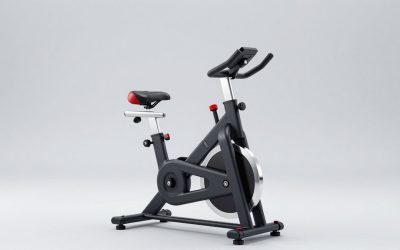
- 25-pound flywheel and belt drive keep rides smooth and quiet
- Bluetooth app support adds guided riding scenery
- Fits riders from 4 feet 8 inches to 6 feet tall
- 300-pound weight capacity is a hard limit for heavier riders
- Full setup takes about 30 minutes even with a video guide
Pros & cons
- Reinforced 2.00mm steel frame adds extra stability under load
- 0 to 100 percent micro-adjustable resistance covers warm-up to max intensity
- Fits riders from 4 feet 8 inches to 6 feet 2 inches
- 300-pound weight capacity still limits heavier riders
- Setup still takes about 30 minutes despite partial pre-assembly
Pros & cons
- 100 micro-adjustable resistance levels allow fine-tuned intensity
- Dual-sided pedals work with SPD clips or toe cages
- Compatible with popular apps like Peloton and Zwift
- Full JRNY app access needs a paid membership after the trial
- At 112 pounds, it is not easy to move between rooms
Best Spin Bikes for Home Workouts: Quick Picks
The best spin bike for your home is the one that fits your available space, riding routine, and preferred resistance feel: choose a magnetic-resistance model for quiet, low-maintenance use; a belt-driven bike for a smooth, familiar ride; or a compact bike if storage matters more than a studio-style setup. For most regular riders, a magnetic bike with broad seat and handlebar adjustment is the most practical all-round choice.
Specifications and prices vary by model and year, so treat the figures below as representative ranges rather than promises for every version. Before buying, check the exact listing for dimensions, maximum user weight, included display, and whether assembly or delivery service is available.

YOSUDA Exercise Bike, Brake Pad Stationary Bike for Home with Exclusive App, Magnetic Indoor Cycling Bike with 300 lb Weight Capacity, Low Noise, Tablet Holder and Fitness Courses for Weight Loss, Friction-Black
Chosen because it specifies Brake Pad Stationary Bike for Home with Exclusive App and Magnetic Indoor Cycling Bike with 300 lb Weight Capacity.
View on Amazon
MERACH Exercise Bike, Magnetic Friction Stationary Bike with Brake Pad and Exclusive App, Low Noise Indoor Cycling Bike with 300lbs Weight Capacity, Tablet Mount and Fitness Courses for Weight Loss
Chosen because it specifies Low Noise Indoor Cycling Bike with 300lbs Weight Capacity and Tablet Mount and Fitness Courses for Weight Loss.
View on Amazon
MERACH Exercise Bike, Friction Stationary Bike for Home with App Training
Chosen because it specifies Friction Stationary Bike for Home with App Training.
View on Amazon
Compare the Main Bike Types
| Type | Typical footprint | Resistance and ride feel | Noise and upkeep | Best fit |
|---|---|---|---|---|
| Entry-level friction bike | About 40–48 in. long × 18–24 in. wide | Pad presses against the flywheel; resistance is adjusted with a knob. Feel can be direct, though less even at very low settings. | Usually noisier as the pad wears; occasional inspection and replacement may be needed. | Occasional riders on a tighter budget who do not need connected classes. |
| Belt-drive magnetic bike | About 45–54 in. long × 20–24 in. wide | Magnet position changes resistance without rubbing the flywheel. Often offers smooth, finely adjustable transitions. | Typically quiet; belt tension and fasteners still need periodic checks. | Apartment workouts, frequent use, or shared living spaces. |
| Connected studio bike | About 48–60 in. long × 20–26 in. wide | Often magnetic resistance, with a broad range of settings and class-linked metrics. | Bike noise may be low, but speakers, fans, and workout audio add sound. Some features require a subscription. | Riders who will use guided classes and want on-screen workout data. |
| Compact or folding-style bike | Often about 30–40 in. long × 18–24 in. wide when open | Usually lighter flywheel and a more upright posture; may not feel as stable during hard standing efforts. | Convenient to move, but hinges and lightweight frames need careful tightening. | Small rooms, lighter sessions, and buyers who need to reclaim floor space. |
Dimensions are approximate category ranges, not measurements for a specific product. Allow extra room to mount the bike, move the handlebars, and step off safely. A mat can protect flooring, but it does not make an undersized riding area safe.
Choose by Your Home and Riding Habits
| Your situation | What to prioritize | Likely best choice |
|---|---|---|
| Limited budget; one or two rides weekly | Stable frame, secure pedals, clear return policy, and resistance parts that can be replaced | Basic friction bike, if its adjustment range suits your riding |
| Apartment or shared walls; frequent rides | Magnetic resistance, belt drive, leveling feet, and no rattling console | Belt-drive magnetic bike |
| New to cycling or sharing the bike | Easy seat and handlebar adjustments, marked settings, and a comfortable range of positions | Adjustable magnetic bike with simple controls |
| Small room; bike must be moved after use | Actual folded or stored dimensions, transport wheels, and manageable assembled weight | Compact bike, provided it feels stable at your intended intensity |
| Structured classes and performance tracking | Readable display, reliable cadence or power data, device compatibility, and subscription terms | Connected studio bike, if you will use its software regularly |
What Matters More Than a Big Flywheel Number
Resistance system and flywheel feel
Friction resistance is mechanically simple, but the pad contacts the flywheel and gradually wears. It may also produce more sound, especially if the pad is dry, misaligned, or near the end of its service life. Magnetic resistance avoids that contact, which generally means quieter operation and fewer wear parts in the resistance mechanism.
Flywheel weight can influence how smoothly a bike carries momentum, but it does not tell the whole story. Bearings, frame stiffness, crank design, belt tension, and resistance calibration all affect how a pedal stroke feels. A heavier flywheel is not automatically a better ride. If possible, look for a clear explanation of the resistance range and adjustment method rather than choosing by flywheel weight alone.
Fit and adjustability
Check whether the saddle adjusts vertically and fore-aft, and whether the handlebar moves in both directions. The available adjustment range matters more than the number of adjustment holes: a bike can offer several positions yet still fail to fit a very short or tall rider. Confirm the manufacturer’s rider-height guidance, then compare it with the seat and handlebar ranges.
As a starting point, set the saddle near hip height while standing beside the bike. At the bottom of a pedal stroke, your knee should remain slightly bent rather than locked. Make small changes and stop if your position causes pain or numbness; a qualified cycling fitter or health professional can help with persistent discomfort or specific concerns.
Display features and ongoing costs
A basic console may show time, speed, distance, and estimated calories. Those figures are useful for tracking consistency, but calorie estimates are not precise measurements of energy use. More advanced bikes may add cadence, resistance level, or power. If training by numbers matters, verify whether those readings come from sensors or are estimated, and whether the data can be exported to apps you already use.
Connected bikes can add classes, leaderboards, and progress tracking, but check whether core bike controls work without a paid membership. Also account for a tablet or phone mount, workout-app fees, and any required power connection. The screen is only valuable if it suits your routine; a clear cadence readout may be more useful than a large display you rarely use.
Plan for Assembly, Space, and Maintenance
Home spin bikes often weigh roughly 70–130 lb once assembled, although compact models can be lighter and heavier studio bikes can exceed that range. Verify the boxed and assembled weights before arranging delivery, especially if the bike must go upstairs. Many bikes require attaching the stabilizers, pedals, seat, handlebars, and console. Set aside about one to two hours as a planning estimate, and have a second person help with lifting a heavy frame. Actual assembly time depends on the model and your experience.
Measure the intended location, then include clearance for mounting and dismounting. A bike that fits between furniture may still be awkward if you cannot safely step over its frame. Transport wheels help reposition a bike, but do not assume they make it practical to carry up stairs or move across uneven floors.
- After initial assembly, recheck bolts and pedal tightness according to the manual; components can settle during early use.
- Wipe sweat from the frame, handlebars, and adjustment posts after rides to limit corrosion and sticky controls.
- Listen for new clicking or knocking. Check pedal installation, loose fasteners, and leveling feet before assuming the flywheel is faulty.
- Follow the maker’s guidance for belt tension, lubrication, and friction-pad replacement. Avoid applying lubricant to braking surfaces or belt components unless the manual specifies it.
For a simple ownership calculation, divide the bike’s purchase price by the number of rides you realistically expect. A $600 bike used three times a week for two years would see about 312 rides, or roughly $1.92 per ride before any subscription, maintenance, or electricity costs. A less expensive bike used rarely may offer less value than a better-fitting model you will actually ride.
Bottom Line
For quiet, regular home workouts, start with a belt-drive magnetic bike that fits every intended rider and has a frame stable enough for your effort level. Choose a friction model to keep upfront spending down if you are comfortable with pad maintenance, or a compact bike when reclaiming floor space is essential. Prioritize fit, serviceability, and realistic display needs over headline flywheel weight or features you may not use.

Write Your Review
No reviews yet. Be the first to share your experience!