
Key takeaways
What's inside
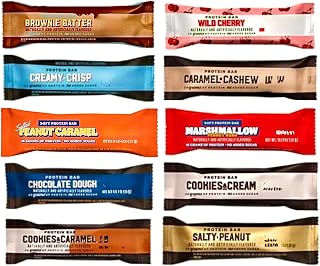
Barbell protein bars best flavor searches almost always mean Barebells, the Swedish brand whose name gets typed as barbell more often than not. This guide ranks the varieties on texture and sweetness, and covers the main alternatives.
As an Amazon Associate we earn from qualifying purchases at no extra cost to you. Product prices and availability are accurate as of the date shown and are subject to change.
As an Amazon Associate we earn from qualifying purchases at no extra cost to you. Product prices and availability are accurate as of the date shown and are subject to change.




By Chris Parker
🛒 Best Price Today on Amazon
Prime members get fast, free shipping on everything above, plus member-only deals. New members get a 30-day free trial — cancel anytime.
Start 30-Day Prime Free Trial →See Today’s Amazon DealsHow to Judge Barbell Protein Bars Best Flavor
Judging barbell protein bars best flavor is mostly about texture and aftertaste rather than the name on the wrapper. Any ranking of barbell protein bars best flavor comes down to three things: how the coating behaves, how dense the centre is, and what the sweetener leaves behind.
Coating, Centre and Texture
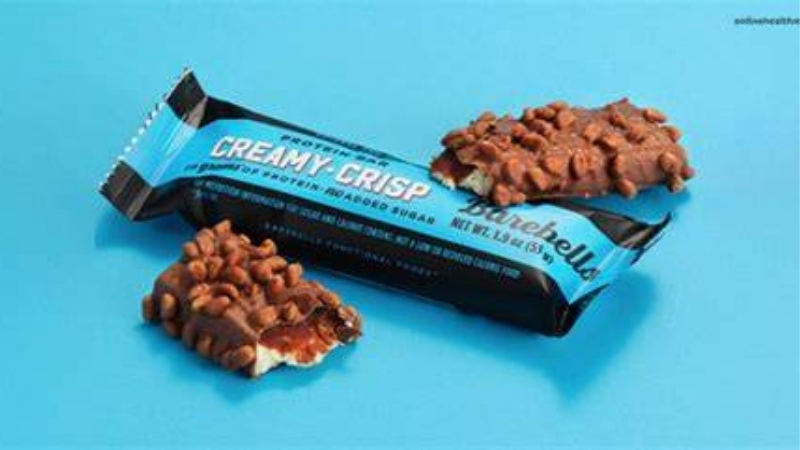
The reason this brand converted so many people is texture. The coating is a soft compound rather than hard chocolate, and the centre is nougat-like instead of the dense, chewy protein matrix that older bars used.
That texture is also the main criticism. Anyone who prefers a firm, chewy bar finds these closer to a confectionery bar than a protein product, which is a matter of preference rather than a flaw.
Sweetener Aftertaste
Most bars in this category use sugar alcohols and high-intensity sweeteners rather than sugar. Maltitol has a noticeable cooling aftertaste, while stevia and sucralose leave a lingering sweetness that some people find cloying by the second bar.
Flavours built on caramel and nougat mask sweetener aftertaste better than plain vanilla or white chocolate, which is why the caramel-forward varieties consistently rank higher in taste comparisons than the lighter ones.
Storage, Melting and Shelf Life
Storage space is minimal, but temperature is not. The soft coating melts readily above roughly 25 C (77 F), so a bar left in a gym bag or a car in summer arrives as a smear rather than a bar.
A cupboard shelf holds a box of twelve in roughly the footprint of a shoebox. Refrigerating them firms the centre considerably, which changes the eating experience enough that some people prefer them cold and others do not.
Macros Across the Range
The bars sit around 20 g of protein and roughly 200 calories each, with no added sugar, and those figures are broadly consistent across the varieties. Flavour choice therefore has little effect on the nutritional profile.
Sugar alcohols can cause digestive discomfort for some people, particularly at more than one bar a day. If you have any dietary condition or specific nutritional requirements, that is a question for a doctor or registered dietitian rather than a product guide.
Price Per Bar and How to Buy
Multipacks of a single variety are usually cheaper per bar than mixed boxes, sometimes substantially so. That makes the sensible order clear: buy a mixed box first to find your preference, then buy that one flavour in bulk.
Availability of individual varieties fluctuates by market, and some flavours appear and disappear from regional ranges entirely. Any list of barbell protein bars best flavor is therefore partly limited by what is actually stocked where you are.
Market Context for Protein Bars
The category has shifted away from dense, chalky bars toward confectionery-style textures over the last several years, and that shift is largely why this brand grew as quickly as it did. The competition has followed, so texture rather than protein content is now the main battleground between brands.
Below the mid tier the compromises are consistent: harder coatings that crack rather than yield, denser centres, and heavier sweetener aftertaste. Price per bar drops accordingly, which matters if you eat one most days.
Availability varies sharply by market and by flavour, and multipacks of a single variety are usually cheaper per bar than mixed boxes. Buying a mixed box first and then a multipack of your preferred flavour is the sensible order.
Ranked: Barbell Protein Bars Best Flavor
These seven cover the core range plus the main alternatives from other brands. Rankings here reflect texture and sweetener balance rather than any nutritional difference, since the macros are broadly similar.
| Bar | Flavour Profile | Texture | Sweetness | Verdict |
|---|---|---|---|---|
| Barebells Cookies and Cream | Vanilla with biscuit pieces | Soft, crunchy inclusions | Moderate | Most popular |
| Barebells Caramel Cashew | Caramel and nut | Soft nougat | Rich | Best masks sweetener |
| Barebells Salty Peanut | Salted peanut | Soft with peanut pieces | Balanced by salt | Best for sweet fatigue |
| Barebells Creamy Crisp | Milk chocolate and crisp | Light, crunchy | Moderate | Lightest texture |
| Barebells White Chocolate Almond | White chocolate | Soft | Very sweet | Divisive |
| Built Bar | Varied | Marshmallow-like | Moderate | Closest texture rival |
| Quest Bar | Varied | Dense and chewy | Moderate | Traditional texture |
Barebells Cookies and Cream
The most widely bought variety, and the one most people rate first. Biscuit pieces give the soft centre something to break up the texture, which addresses the main criticism of the softer flavours in the range.
The vanilla base is sweet enough that the sweetener is noticeable to sensitive palates, and it becomes cloying faster than the salted options. The inclusions also soften if the bar is stored warm.
Barebells Caramel Cashew
Caramel is the flavour that masks sweetener aftertaste most effectively, which is why this variety ranks highly in almost every comparison. The nut pieces add texture without the crunch overwhelming the soft centre.
It is the richest bar in the range, which makes it heavy going as a daily choice for some people. It also melts more readily than the crisper varieties in warm conditions.
Barebells Salty Peanut
Salt is the reason this one holds up over repeat eating better than anything else in the range. It cuts through the sweetness in a way no other variety here manages, which makes it the sensible pick for anyone who finds protein bars generally too sweet.
The peanut flavour is assertive and not to everyone’s taste, and the salt is noticeable enough to be divisive. It is also the variety most affected by storage temperature.
Barebells Creamy Crisp
The lightest texture in the range, with crisped pieces that give it more structure than the nougat-centred bars. For anyone who dislikes the soft centre, this is the version to try first.
The crisp pieces soften over time and lose their texture near the end of the shelf life. The flavour is also more straightforwardly sweet than the caramel or salted options.
Barebells White Chocolate Almond
White chocolate is the most polarising flavour here. For anyone who likes it, this is the sweetest and most confectionery-like option in the range; for anyone who does not, it is the first to be given away.
It is the sweetest bar in the lineup, which makes the sweetener aftertaste more apparent rather than less. It also shows melting most visibly because of the pale coating.
Built Bar
The closest texture rival, using a marshmallow-style centre rather than nougat, which some people prefer for being lighter. Flavour range is wider and the coating is real chocolate rather than a compound.
The centre is airier, which makes it feel less substantial for the same macros, and availability outside North America is patchy. Price per bar is also generally higher.
Quest Bar
The traditional dense, chewy protein bar, included here as the counterpoint. If your objection to the softer bars is that they taste like confectionery, this is the format that does not.
The texture is genuinely chewy to the point of being work, and warming it changes the experience substantially. Fibre content is high enough that some people find it uncomfortable in quantity.
Frequently Asked Questions
These questions come up whenever someone buys a mixed box and tries to work out which multipack to order next.
Which flavour should I try first?
Cookies and Cream is the safest introduction and the most widely liked, largely because the biscuit pieces break up the soft centre that divides opinion elsewhere in the range. If you generally find protein bars too sweet, start with Salty Peanut instead, since salt is the only thing here that stops the sweetness building across a whole bar.
Is it Barbell or Barebells?
Barebells. The barbell protein bars best flavor search is one of the most common misspellings in the whole supplement category, which is entirely understandable given the fitness context the bars are sold in, but the brand name has no r in the middle of it.
Do the flavours differ nutritionally?
Barely. The range sits around 20 g of protein and roughly 200 calories per bar with no added sugar, so choosing by flavour has almost no effect on the numbers. Formulations do vary between regional markets, so the label on the box you are actually holding is the one to read rather than a figure quoted online.
Why do they melt so easily?
The coating is a soft compound rather than tempered chocolate, which is exactly what gives the bar its texture and is not a manufacturing fault. Above roughly 25 C (77 F) it softens quickly, so a cool cupboard is the right storage and the fridge is better again in summer. A bar left in a gym bag or a parked car will not survive the afternoon.
See More:
- Ankle weights best
- Best rated ankle weights
- Best home workout equipment budget
- Best resistance bands for men
Final Thoughts
Barbell protein bars best flavor rankings come down to Cookies and Cream for broad appeal, Caramel Cashew for richness and Salty Peanut for anyone tired of sweetness. Texture is the real differentiator across the range rather than nutrition. Buy a mixed box first, then a multipack of whichever one you finish quickest.
Write Your Review
No reviews yet. Be the first to share your experience!