
Key takeaways
What's inside
Best kettlebell apps fall into three broad types, and every one of them asks for quite different hardware behind it. Timer apps need nothing, guided programmes need a screen you can actually see from the floor, and heart-rate sessions need a strap. This guide covers the kit rather than the subscriptions.
As an Amazon Associate we earn from qualifying purchases at no extra cost to you. Product prices and availability are accurate as of the date shown and are subject to change.
As an Amazon Associate we earn from qualifying purchases at no extra cost to you. Product prices and availability are accurate as of the date shown and are subject to change.


By Chris Parker
🛒 Best Price Today on Amazon
Prime members get fast, free shipping on everything above, plus member-only deals. New members get a 30-day free trial — cancel anytime.
Start 30-Day Prime Free Trial →See Today’s Amazon DealsHow to Choose the Best Kettlebell Apps and the Kit Behind Them
App-led training fails for practical reasons far more often than for programming ones. The phone is on the floor where nobody can read it, the session needs a heart-rate strap you do not own, or the whole thing stops working the moment the subscription lapses. All three are avoidable. Check each one before the trial ends.
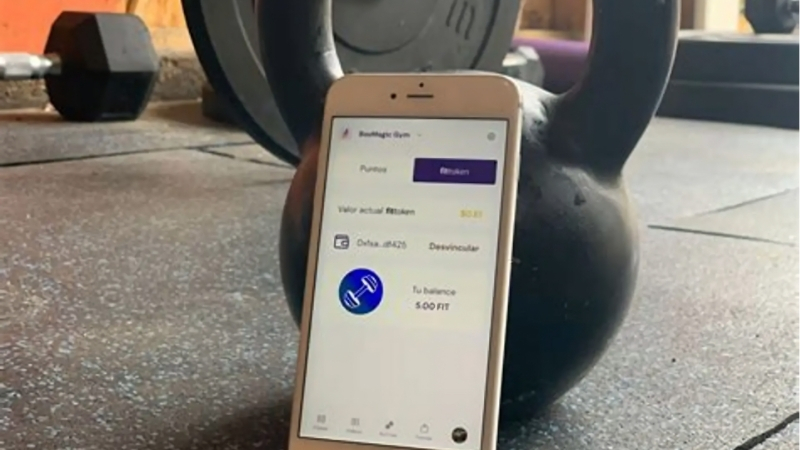
The Three App Types and What Each Needs
Interval timer apps are the simplest and need no hardware at all beyond somewhere to put the phone. Guided programme apps sit at the other end: they need a visible screen, usually a subscription, and they are the type most likely to become useless if you stop paying for them. Timer apps are the safest of the three types.
Heart-rate led apps sit in between and require a chest strap, since wrist optical sensors struggle badly with kettlebell work. The grip tension and wrist movement in swings and cleans make wrist readings unreliable, which is exactly the sort of detail that never appears in a listing. Chest straps are the fix for the best kettlebell apps.
Subscriptions, Offline Use and What You Keep
The question worth asking before any app purchase is what remains when the payment stops. Some apps keep your logged history and a basic timer; others show a login screen and nothing else. Check that before building a training block around a programme you might not keep access to. Ownership matters more than features.
Offline behaviour matters just as much if you train in a basement or a garage with poor signal. An app that streams video sessions is unusable there, while one that downloads a block in advance is fine. Test the room before the trial period ends rather than after. Basements are where streaming apps fail.
Screen Placement, Footprint and Floor Protection
The practical problem with the best kettlebell apps is that you cannot read a phone lying on the floor while swinging. A stand at roughly waist height at the edge of the training area solves it, and the area itself needs about 6 x 6 ft (1.8 x 1.8 m) for swings. A stand solves what a floor never will.
Keep the screen outside the swing arc rather than in front of you, and put rubber matting of 3/4 in (19 mm) under the whole station. Measure the space and the ceiling before ordering, since overhead work needs roughly 12 in (30 cm) of clearance above your raised hand. Keep the screen outside the arc entirely.
Top Picks: Hardware for App-Led Kettlebell Training
These six cover heart-rate straps, screen placement, bells that suit app circuits and the flooring underneath. The apps themselves change constantly, so this list stays on the hardware, which does not. Each entry names a drawback, since every piece here trades something for its convenience. Apps change; the hardware does not.
| Product | Role | Why it matters | Priority |
|---|---|---|---|
| Polar H10 | Heart rate strap | Chest beats wrist | If HR-led |
| Wahoo TICKR | Heart rate strap | Broad app support | Alternative |
| Lamicall Tablet Stand | Screen placement | Readable from floor | First |
| Bowflex SelectTech 840 | Adjustable bell | Fast circuit changes | Small rooms |
| Kettlebell Kings Powder Coat | Main bell | Grip through rounds | First |
| Rubber gym matting | Flooring | Noise and floors | With the bell |
Polar H10 Heart Rate Sensor
A chest strap is the only reliable way to feed heart-rate data into an app during kettlebell work, because wrist sensors are thrown off by grip tension and wrist rotation. The H10 is the reference point in this category and pairs over both Bluetooth and ANT+ with most apps. It is the reference strap for the best kettlebell apps.
It costs more than most straps, the elastic band needs replacing eventually, and it has to be damp against the skin to read properly at the start of every single session. If your app does not use heart rate at all, this is hardware you have no reason to own. Buy it only when the sessions require it.
Wahoo TICKR
The TICKR covers the same job for less, with broad app compatibility and a simpler design. For anyone whose app just wants a heart-rate feed rather than detailed variability data, it does everything needed and pairs quickly enough that it never becomes part of the warm-up routine. It covers everything most apps ask for.
Battery access and strap comfort are the usual complaints over long-term use, and the readings can jump in the first minute before the contact settles. As with any chest strap, wet the contacts before starting rather than waiting for the numbers to stabilise mid-round. Comfort is the usual long-term complaint.
Lamicall Adjustable Tablet Stand
Screen placement is the cheapest fix for the most common app problem. A stand that holds a phone or tablet at around waist height at the edge of the training area makes a guided session readable without breaking position or squinting at something lying flat on the floor. It is the cheapest fix on this entire list.
Stands are easy to knock over, so keep it outside the swing arc rather than in front of you. Cheaper models flex with a heavier tablet. Check the stated device size range before ordering, since a stand built for a phone will not hold a large tablet steady. Keep it clear of the swing path at all times.
Bowflex SelectTech 840 Adjustable Kettlebell
App-led circuits change movement every thirty seconds, which is exactly where an adjustable bell earns its price: the dial switches in a couple of seconds rather than requiring three bells laid out around the room. In a small flat it also solves storage at the same time. Guided circuits change weight constantly.
The boxy body presses into the forearm in the rack position, it must never be dropped at all, and swings pass the 40 lb (18 kg) ceiling far faster than most people expect. Guided sessions calling for heavy swings will still need a fixed bell standing alongside it. The ceiling arrives sooner than expected.
Kettlebell Kings Powder Coat Kettlebell
Guided sessions tend to prescribe high repetitions, which puts the handle finish under more pressure than most home training does. Powder coat holds damp hands without stripping skin, and a smooth crown keeps cleans comfortable when an instructor is counting rather than your own judgement. Finish matters more when someone else sets the pace.
It costs meaningfully more than budget cast iron, which is hard to justify for occasional use. The coating wears at the contact points over years. Buy at this level if app-led circuits are a regular fixture rather than something you try for a month and abandon. Buy it for the bell you use every session.
Rubber Gym Matting
A 3/4 in (19 mm) rubber mat defines the area the app is asking you to work in, as well as protecting the floor. Bells get parked quickly between movements in a guided circuit, and rubber absorbs that contact while keeping the noise below within reasonable limits. It also marks out the area the app assumes.
Mats are heavy to carry alone and smell strongly for the first fortnight after unwrapping. Air them outside before laying them down, and measure the station area first, since cutting thick rubber at home is slow work that rarely produces a straight edge on the first attempt. Measure the station area before ordering.
Frequently Asked Questions
These four questions come up whenever training moves from a written plan to a screen on the floor. They cover hardware, subscriptions and placement, which are the practical issues that decide whether an app gets used past the free trial or quietly disappears from the phone. Hardware answers most of them.
Do I need a chest strap for the best kettlebell apps?
Only if the app is heart-rate led. Wrist sensors are unreliable during kettlebell work because grip tension and wrist rotation interfere with the reading, so a chest strap is the sensible option when accuracy matters. Timer and programme apps need no hardware at all. Wrist sensors and swings simply do not agree.
What happens when a subscription ends?
It varies widely. Some apps keep your history and a basic timer, others show a login screen and nothing more. Check the terms before building a twelve-week block around one, since losing access halfway through a programme is a poor reason to stop training. Downloaded blocks survive better than streamed ones.
Where should the phone or tablet go?
On a stand at roughly waist height, outside the swing arc and at the edge of the training area. On the floor it is unreadable and gets kicked. Turning notifications off matters as much as placement, since one message mid-round ends the session more effectively than fatigue. Waist height at the edge of the mat works best.
Can an app replace coaching?
Not for technique. An app can structure sessions and keep time well, but it cannot see your hinge or tell you why a clean is landing badly. Learn the movements from a qualified coach or a doctor-cleared starting point, then use the app to structure the work. Structure is what the best kettlebell apps do well.
See More:
Final Thoughts
The best kettlebell apps are only as useful as the hardware behind them: a readable screen, a chest strap if the sessions are heart-rate led, and a bell that changes weight fast enough to keep up. Check what survives the subscription ending before you commit to a programme. Then let the app handle the timing.



Write Your Review
No reviews yet. Be the first to share your experience!