
Our Top Picks
Best Running Watches for Training and Everyday Use
The best running watches for most runners are the Garmin Forerunner 265 for versatile training, the COROS Pace 3 for low weight and long battery life, and the Apple Watch Ultra 2 for iPhone users who want a capable smartwatch as well as a running tool. The right pick depends on whether you value navigation, training guidance, everyday smart features, or a lower price most.
GPS accuracy varies with tree cover, tall buildings, route shape, and the watch’s satellite settings; no model guarantees an exact track in every environment. Wrist heart-rate readings can also lag or fluctuate during intervals. Treat these watches as useful tools for trends and training context, not as medical devices or perfect measuring instruments.

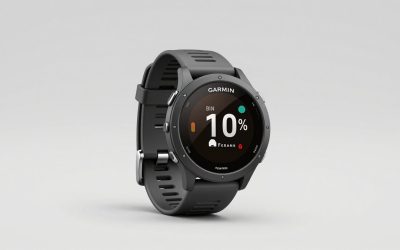
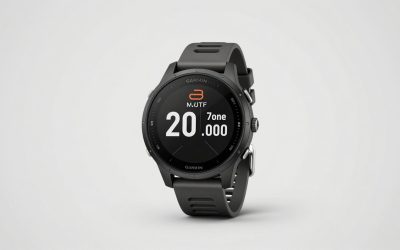
Garmin Forerunner® 165, Running Smartwatch, 43mm, Black
Chosen because it specifies Running Smartwatch and 43mm.
View on Amazon
Garmin Forerunner 55, GPS Running Watch with Daily Suggested Workouts, Up to 2 Weeks of Battery Life, Black - 010-02562-00
Chosen because it specifies GPS Running Watch with Daily Suggested Workouts and Up to 2 Weeks of Battery Life.
View on Amazon
Garmin Forerunner® 165, Running Smartwatch, 43mm, Whitestone
Chosen because it specifies Running Smartwatch and 43mm.
View on Amazon
Quick comparison
| Watch | Case size and weight | Battery estimate | GPS and training strengths | Best fit |
|---|---|---|---|---|
| Garmin Forerunner 265 | 42 mm: 39 g; 46 mm: 47 g | Up to 13 days smartwatch; up to 20 hours GPS | Multi-band GNSS; training readiness, training status, race and workout tools | Runners wanting detailed training features and a bright AMOLED screen |
| COROS Pace 3 | 41.9 mm; 30 g with nylon band or 39 g with silicone band | Up to 15 days daily use; up to 38 hours GPS | Dual-frequency GNSS; structured workouts, route tools and long GPS runtime | Runners prioritizing low weight, battery, and value |
| Garmin Forerunner 165 | 43 mm; 39 g | Up to 11 days smartwatch; up to 19 hours GPS | GPS; guided workouts, race-adaptive training features and core run metrics | Newer runners who want a simpler, lower-cost Garmin |
| Apple Watch Ultra 2 | 49 mm; 61.4 g | Up to 36 hours normal use; up to 12 hours outdoor workout | Dual-frequency GPS; extensive workout app options and strong everyday smart features | iPhone users who want one watch for running and general use |
Battery figures are manufacturer estimates under specified settings and can drop with multi-band GPS, music, maps, frequent screen use, and software features. Sizes and weights vary by configuration; check the exact model and band before buying.
Choose by running goal
For structured training and a range of race distances: Garmin Forerunner 265
The Forerunner 265 balances detailed training insights with a lightweight design and an AMOLED display. It supports multi-band satellite tracking, which can help keep a route more consistent in difficult conditions such as dense urban streets. Garmin’s training status, readiness, recovery, and workout tools are useful for runners who want more than pace and distance, though these estimates are best interpreted alongside how they feel and the training they actually completed.
It is a strong all-rounder, but its abundance of metrics can be unnecessary if you only want to record easy runs. Its screen and advanced GPS settings can also use more power than basic watch use.
For value, comfort, and long GPS sessions: COROS Pace 3
At 30 g with the nylon band, the Pace 3 is one of the easiest options here to wear for long runs and overnight tracking. Its stated 38-hour GPS runtime gives it substantial headroom for high-mileage weeks or long events. Dual-frequency GNSS, route functions, and structured workouts cover many training needs without the weight or price of a large outdoor watch.
The trade-off is a more utilitarian experience than a premium smartwatch, with fewer everyday conveniences than Apple Watch. If choosing the silicone band, account for the extra weight; fit and comfort may matter more than the small difference on a scale.
For a first training watch on a tighter budget: Garmin Forerunner 165
The Forerunner 165 keeps the basics accessible: GPS run recording, wrist heart rate, guided workouts, and helpful training features in a 43 mm case. It makes sense for someone moving up from a phone app or basic activity tracker who wants reliable workout records without paying for every advanced metric.
Compared with the 265, it has fewer high-end training and navigation capabilities. Check the exact 165 version and feature list before purchasing, since music support and other options can differ by model.
For an iPhone-first everyday watch: Apple Watch Ultra 2
The Ultra 2 combines a large, ruggedly oriented case, dual-frequency GPS, and a broad app ecosystem. It suits runners who also want notifications, apps, and general smartwatch functions in one device. Its 49 mm case and 61.4 g weight are noticeable, particularly on smaller wrists, and its workout battery estimate is shorter than the dedicated running watches above.
It is most compelling for people already using an iPhone. Android users should choose a watch designed to work with their phone rather than assume Apple Watch will provide full compatibility.
What matters most when comparing running watches
- GPS accuracy: Multi-band or dual-frequency GNSS can improve positioning in challenging areas, but it cannot eliminate signal blockage or every recording error. For open roads and trails, a capable single-band watch may be adequate. Compare your usual routes, not just feature labels.
- Battery life: Look at GPS runtime, not only the headline smartwatch figure. If a long run lasts three hours and your watch delivers 12 hours of outdoor workout time in your chosen configuration, that run uses about 25% of the stated workout allowance. Real use can consume more, so leave a margin.
- Heart-rate tracking: Optical wrist sensors are convenient for steady runs, but movement, cold skin, a loose fit, tattoos, and rapid pace changes can affect readings. Wear the watch snugly above the wrist bone. For interval sessions where heart-rate response matters, a compatible chest strap can provide a useful alternative.
- Training metrics: Pace, distance, and time are enough for many runners. Recovery estimates, readiness scores, and training-load guidance can add context, but they are model-based estimates—not instructions to ignore fatigue, pain, or a coach’s guidance.
- Fit and screen: A smaller or lighter watch is often easier to wear all day and overnight. A large display can make workout data easier to read, but may feel bulky and catch on sleeves. Try the case size if possible, and check band availability and replacement cost.
Match the watch to your budget and routine
| Your situation | Best starting point | Why |
|---|---|---|
| Occasional runs, basic pace and distance, lower budget | Forerunner 165 or a comparable entry-level GPS running watch | Core recording and guided workouts matter more than advanced analytics |
| Three or more runs weekly, structured plans, varied routes | Forerunner 265 | Broader training tools and multi-band GPS suit consistent training |
| Long runs, high mileage, or preference for a light watch | COROS Pace 3 | Low listed weight and long GPS estimate reduce charging pressure |
| iPhone user who wants apps and daily smartwatch features | Apple Watch Ultra 2 | Strong general-purpose smart functions alongside capable GPS workouts |
Prices change with sales, model age, and region. As a broad market guide, entry-level GPS running watches often fall around $150–$250, midrange training models around $250–$450, and premium smartwatch or outdoor-focused options around $500–$800. Treat those as approximate ranges, not guaranteed current prices.
Ownership details that affect the choice
Before buying, check how the watch handles your daily routine: phone compatibility, charging method, data export, music needs, and whether maps or turn-by-turn navigation are important. A watch can have excellent battery specifications yet still need frequent charging if you use an always-on display, music playback, or the most power-intensive GPS mode.
Keep the optical sensor and the skin beneath it clean and dry, especially after sweaty runs. Rinse the band according to its material guidance, then let it dry before wearing it tightly again. Bands and charging cables are common wear or replacement items; a damaged strap can make an otherwise functional watch uncomfortable or insecure. Avoid overtightening to compensate for poor heart-rate readings—repositioning the watch or using a chest strap may help more.
Bottom line
Choose the Garmin Forerunner 265 for the broadest mix of training depth and everyday running use, the COROS Pace 3 for low weight and long GPS battery life, the Forerunner 165 for an approachable first training watch, or the Apple Watch Ultra 2 if iPhone smart features are central to your decision. Prioritize the fit, workout battery, and tools you will actually use over the longest feature list.

Write Your Review
No reviews yet. Be the first to share your experience!