
Our Top Picks
The best leg massagers depend on whether you need full-leg compression, portable calf relief, or a compact foot-focused machine: choose a sequential pneumatic system for the broadest coverage, a wraparound calf unit for easier everyday use, or a heated foot massager when your feet—not your thighs—are the main target.
Best leg massagers by coverage
There is no single best design for every shopper. “Leg massager” can mean a multi-chamber air-compression boot, a sleeve that wraps around the calves, or a kneading foot machine that reaches only the feet and ankles. The covered area affects price, storage, setup time, and how much control you have over the massage.
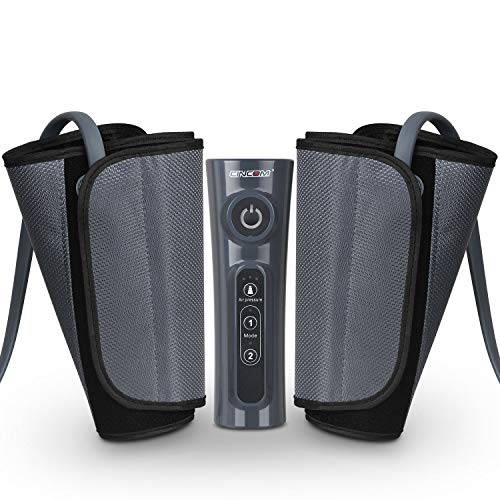
CINCOM Leg Massager for Circulation and Pain Relief FSA - HSA
Chosen because it specifies HSA.
View on Amazon
FIT KING Leg Compression Massager with Heat for Circulation and Pain Relief
Picked as a relevant option in this category.
View on Amazon
CINCOM Leg Massager with Heat and Air Compression FSA - HSA
Chosen because it specifies HSA.
View on Amazon
QUINEAR Leg Recovery Compression System for Athlete Post Workout, Professional Sequential Device for Massage Therapy, Foot and Leg Recovery Boots, Improve Circulation Reduce Muscle Soreness (Medium)
Chosen because it specifies Professional Sequential Device for Massage Therapy and Foot and Leg Recovery Boots.
View on Amazon| Type | Typical coverage | Typical weight | Settings | Typical setup | General price range |
|---|---|---|---|---|---|
| Full-leg pneumatic boots | Feet through upper thighs | 6–12 lb per pair | 3–7 pressure levels; 1–6 programs | 5–10 minutes | $400–$1,500 |
| Calf compression wraps | Feet or ankles through calves | 2–6 lb per pair | 3–6 pressure levels; 1–4 modes | 2–5 minutes | $80–$400 |
| Foot and ankle massagers | Toes, soles, heels, and sometimes ankles | 5–15 lb | 2–5 programs; heat and kneading commonly included | 1–2 minutes | $70–$300 |
Best full-leg option: sequential pneumatic boots
Full-leg boots are the best choice when your priority is coverage from the feet to the thighs. They use inflatable chambers that fill and release in sequence, usually moving upward along the leg. The result is a controlled compression pattern rather than kneading rollers or vibration.
Best-known premium choice: Hyperice Normatec 3 Legs
The Hyperice Normatec 3 Legs system is a well-established full-leg compression design with multiple overlapping air chambers, adjustable pressure, and several programmed patterns. Its controller and two boot sleeves make it more capable than a simple calf wrap, but also bulkier and more expensive. It is best suited to frequent users who have a dedicated recovery space or do not mind storing a case and hoses.
Choose this type if you want thighs included, intend to use the device several times per week, and value independent control over intensity and cycle settings. It is less appealing if you need a lightweight device for travel or want a massage that feels like kneading rather than compression.
Portable premium alternative: Therabody RecoveryAir JetBoots
Therabody RecoveryAir JetBoots combine full-leg pneumatic coverage with a more portable, hose-free format than traditional boot-and-console systems. Their integrated controls and rechargeable design reduce the number of parts to connect, which matters if setup friction determines whether a device is used regularly.
The trade-off is that a self-contained boot can be heavier on each leg than a simple wrap, and battery charging becomes part of ownership. Check the manufacturer’s sizing chart carefully: an almost-correct fit can leave gaps at the thigh or place uncomfortable pressure around the knee.
Best for everyday convenience: calf compression wraps
Calf wraps are the sensible middle ground for shoppers who want compression but do not need thigh coverage. They normally fasten with hook-and-loop closures and connect to a small pump, or contain a compact rechargeable pump in each wrap. They take less space than full boots and are easier to put on without rearranging furniture.
Look for wide adjustment panels, a hose connection that does not press against the ankle, and at least three intensity levels. A wrap that is too short may stop below the largest part of the calf; one that is too loose can bunch behind the knee. Measure the circumference of each calf while standing and compare it with the product’s actual range rather than choosing by shoe size alone.
Calf wraps are usually the best value for users with a limited budget, limited storage, or a routine centered on the lower legs. They are not a substitute for full-leg boots when upper-thigh coverage is the deciding feature.
Best for foot-focused relief: heated kneading massagers
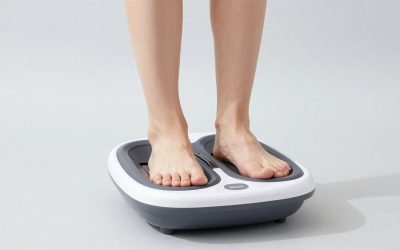
Foot massagers suit people whose discomfort or fatigue is concentrated in the soles, arches, heels, toes, and ankles. Common features include rotating kneading heads, air cushions around the foot, adjustable heat, and removable fabric liners. Some models accommodate the ankles; few provide meaningful calf coverage.
A foot machine is generally easier to use than compression boots: place it on the floor, insert your feet, select a program, and remove them when the cycle ends. It is also heavier and less portable than foot sleeves because of its rigid motor housing. Check the internal foot cavity before buying, especially if you wear larger shoes or have a high instep.
Choose heat as an optional setting rather than assuming hotter is better. Heat can feel pleasant, but users with reduced heat sensitivity should be particularly cautious and follow the manufacturer’s safety guidance.
Head-to-head: which design fits your situation?
| Your situation | Best match | Why | What to accept |
|---|---|---|---|
| Under $150 and mainly tired calves | Basic calf wraps | Lowest cost for targeted compression | Fewer programs and less consistent fit adjustment |
| Frequent use with thigh coverage needed | Full-leg pneumatic boots | Most complete coverage and finer pressure control | Higher price, more storage, longer setup |
| Small apartment or shared living space | Rechargeable calf wraps | Compact and quick to put away | Charging and shorter coverage area |
| Foot fatigue, arch or sole focus | Heated foot massager | Mechanical kneading reaches the feet directly | Does not massage most of the calves or thighs |
| Travel or use away from an outlet | Battery-powered wraps or boots | No pump console or wall outlet during use | Added weight and battery maintenance |
Massage settings that matter more than the number of modes
- Adjustable intensity: Three useful pressure levels are better than ten poorly differentiated presets.
- Chamber sequence: A device that lets you choose full-leg or lower-leg zones can prevent unnecessary compression above the area you want to target.
- Session timer: Automatic shutoff is useful for consistent sessions and prevents accidental overuse.
- Heat control: Look for a separate heat switch or temperature levels, not heat that is always enabled.
- Noise: Pump-based systems commonly produce a repeating motor sound. If you read or watch television during use, seek a published noise specification or a quiet-mode setting.
Setup, sizing, and ownership realities
For pneumatic boots, allow about five minutes the first time: identify left and right sleeves, connect hoses, sit with your legs supported, and adjust the closures without wrinkles. Later sessions may take only two or three minutes. Do not fold the sleeves sharply around the air tubing, since repeated kinking can become an early failure point.
A simple sizing check helps avoid wasted money. If a boot is rated for a thigh circumference of 20–30 inches and your measured thigh is 29 inches, it technically fits but leaves little adjustment room over clothing. For frequent use, aim to sit near the middle of the published range where possible. Measure both legs if they differ noticeably and use the manufacturer’s guidance for the larger measurement.
In most devices, the first parts to show wear are hook-and-loop fasteners, fabric liners, hose connectors, and rechargeable batteries. Keep hook-and-loop strips closed during storage, avoid wearing rough clothing underneath, and do not pull a sleeve off by its hose. Wash removable liners according to their instructions; wipe electronic housings with a lightly damp cloth and let every fabric component dry fully before storage.
Battery runtime is often adequate for several sessions, but cold storage, maximum pressure, and aging reduce it. If a rechargeable unit will sit unused for months, store it partly charged rather than completely empty and follow the maker’s battery instructions. For a plugged-in console, inspect the power cable and air connections periodically for cracking or looseness.
Safety and when to ask a professional
These products are general comfort and relaxation tools, not diagnostic or therapeutic equipment for an undiagnosed condition. Follow the manual, begin at the lowest comfortable intensity, and stop if you experience pain, numbness, unusual swelling, skin changes, dizziness, or persistent discomfort.
Ask a qualified healthcare professional before using pneumatic compression or heated equipment if you have a vascular condition, a history of blood clots, significant swelling, reduced sensation, circulation concerns, recent surgery, or another condition for which compression or heat may be unsuitable. Seek prompt medical advice for sudden one-sided leg swelling, warmth, discoloration, or severe pain rather than trying to manage it with a massager.
Bottom line
Buy full-leg pneumatic boots such as Hyperice Normatec 3 Legs when maximum coverage and frequent use justify the cost. Choose a portable option such as Therabody RecoveryAir JetBoots when reducing hoses and setup matters. Select calf wraps for affordable, space-saving compression, and choose a heated foot massager when the feet are the only area that truly needs mechanical massage. The best leg massagers are the ones whose coverage, fit, and setup match the routine you will actually maintain.
Write Your Review
No reviews yet. Be the first to share your experience!