
Our Top Picks
 Dean Jacob's 5 Piece Melamine Bread Dipping Set8 Piece Set4 x 4 x 4 inches0.68 PoundsCheck on Amazon
 Dean Jacob's 9 pc. Collection with 4 Bread4 Ounce (Pack of 9)12.17 x 7.17 x 6.5 inches3.37 PoundsCheck on Amazon
Best Olive Oil Dipping Dish Sets for Entertaining
The best olive oil dipping dish set for most homes is a two- or four-piece ceramic set with dishes holding roughly 3 to 4 ounces each, a broad base, and a dishwasher-safe finish; choose divided dishes when you want to serve oil with herbs, vinegar, or spices without adding extra bowls.
The right set depends less on appearance than on how you entertain. A compact two-dish set suits weeknight bread, a divided set reduces clutter on a small table, and a larger matching collection makes it easier to serve six or more guests without constantly refilling. The comparison below focuses on useful capacity, material, stability, cleaning, and long-term ownership rather than decorative styling alone.
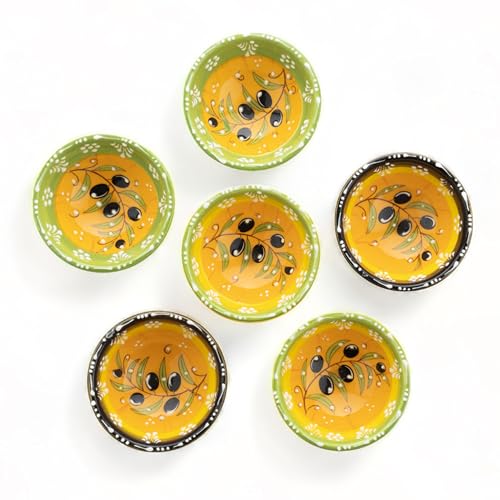
Elyese Ceramic Small Dipping Bowls Set of 6, 3.5 Oz Soy Sauce Dish, Handmade Charcuterie, Colorful Pinch, Dishwasher & Microwave Safe Sauce, 3.2'' Mini (OLIVE BRANCH)
Chosen because it specifies 3.5 Oz Soy Sauce Dish and Handmade Charcuterie.
View on AmazonDean Jacob's 5 Piece Melamine Bread Dipping Set
Picked as a relevant option in this category.
View on Amazon
vicrays Ceramic Dipping Sauce Bowls – Small Charcuterie Dip Cups Cooking Prep Condiment Oil Dish Mini Tapas Plates for Soy Sushi Salsas Wasabi Appetizer Dessert - Set of 6 Green
Chosen because it specifies Set of 6 Green.
View on AmazonDean Jacob's 9 pc. Collection with 4 Bread Dipping Tins, Saucers & Cold Pressed Olive Oil
Chosen because it specifies Saucers & Cold Pressed Olive Oil.
View on AmazonQuick comparison of the main set types
| Set type | Typical capacity | Common material | Typical footprint | Best for | Main compromise |
|---|---|---|---|---|---|
| Two individual dipping bowls | 3–4 oz per bowl | Glazed ceramic or glass | 7–10 in total width | Couples and casual meals | Needs separate bowls for seasonings |
| Four individual dipping bowls | 3–4 oz per bowl | Glazed ceramic | 10–14 in when arranged together | Family meals and small gatherings | Uses more cupboard space |
| Two-compartment dish | 2–3 oz per section | Ceramic, porcelain, or glass | 6–9 in long | Oil plus vinegar or herbs | Sections are usually too small for generous portions |
| Shared serving tray with bowls | 3–5 oz per bowl | Ceramic, wood, or glass combination | 10–16 in long | Buffets and dinner parties | Heavier and harder to store |
| Glass ramekin-style set | 2–4 oz per dish | Tempered or soda-lime glass | 6–12 in total width | Low-profile tables and easy quantity checks | Less forgiving of drops and hard impacts |
Best choices by entertaining situation
Best for everyday meals: two individual ceramic bowls
A pair of ceramic dipping bowls is the most versatile starting point. Look for an internal capacity of 3 to 4 ounces, which is enough for a small pool of oil without encouraging excessive leftovers. A diameter of about 3.5 to 4.5 inches gives bread room to touch the oil while keeping the dish manageable on a dinner plate.
Ceramic is usually the better everyday material because it resists visual staining, feels substantial, and stays relatively cool when filled with room-temperature oil. A fully glazed interior is easier to wipe clean than unglazed clay, which can absorb oil and develop darkened patches over time.
Best for oil with seasonings: a divided ceramic dish
Choose a divided layout if you frequently serve olive oil with balsamic vinegar, chili flakes, grated cheese, or herbs. It keeps two ingredients within reach and reduces the number of loose ramekins on the table. The useful distinction is whether the compartments are genuinely separated by a high wall. A shallow decorative divider can allow oil to run into the neighboring section when the dish is bumped.
For dipping, two sections of at least 2 ounces each are practical. Smaller compartments work for a garnish or spice but become frustrating if guests are expected to dip substantial pieces of bread. Divided dishes are also less flexible: one large, uninterrupted bowl is often more useful when serving oil alone.
Best for checking quantity: clear glass
Glass makes it easy to see how much oil remains and whether herbs or sediment have settled at the bottom. Low-sided glass dishes also have a clean, unobtrusive appearance on a crowded table. They are a good choice for hosts who change oils often or want to coordinate several sauces by color.
The trade-off is impact resistance. A glass dish can chip or shatter when knocked against a stone countertop, sink, or serving platter. If you choose glass, prioritize a thick rim, a stable base, and a shape without sharp corners. A small glass ramekin is more practical than a tall, narrow condiment cup because it is easier to dip into and less likely to tip.
Best for larger gatherings: four- to six-piece ceramic sets
For six or more guests, four to six matching dishes are usually more convenient than one large shared bowl. Several small dishes can be placed at both ends of a table, reducing reaching and preventing one bowl from becoming crowded. A 3-ounce serving in each of four dishes provides 12 ounces of total capacity, enough for a meal where oil is an accompaniment rather than the centerpiece.
Do not judge a large set only by the number of pieces. Check whether the dishes nest, whether they include a tray, and whether the tray adds useful stability or merely consumes storage space. A tray is worthwhile when it has recessed wells that stop the bowls sliding. A flat board with loose bowls may look coordinated but offers little protection against spills.
Ceramic versus glass: head-to-head
| Criteria | Ceramic | Glass |
|---|---|---|
| Stability | Usually heavier; strong choice for busy tables | Stable when thick and wide, but often lighter |
| Oil visibility | Opaque unless the dish has a clear section | Easy to monitor at a glance |
| Cleaning | Glazed surfaces release oil well | Nonporous and usually easy to rinse |
| Damage pattern | May chip at rims or crack from thermal shock | May chip, crack, or break after impact |
| Heat tolerance | Varies widely; follow the maker’s instructions | Varies by glass type; do not assume all glass is oven-safe |
| Storage | Often stackable, but heavier | Can nest neatly, though rims may be vulnerable |
Brands such as Le Creuset and Emile Henry are known for ceramic cookware and serveware, while Bormioli Rocco and Anchor Hocking offer established glassware ranges. The brand name is less important than the individual dish’s capacity, base design, glaze, and care instructions. A well-shaped, moderately priced bowl can outperform a premium-looking dish that is too shallow or slippery.
Stability and layout details that matter
- Base diameter: A base measuring about 60% or more of the dish’s top width generally gives better resistance to tipping.
- Raised foot: A modest foot can improve grip and keep the underside away from small spills, but an excessively narrow foot makes the dish top-heavy.
- Rim height: A 0.5- to 1-inch rim is usually enough to contain oil while remaining easy to reach.
- Bottom texture: Unglazed or slightly textured ceramic bottoms can grip a table better than a fully slick underside.
- Tray fit: If a tray is included, each recess should hold the bowl securely with minimal side-to-side movement.
For a crowded table, wide and low is normally safer than tall and narrow. Tall dishes may hold more, but their center of gravity is higher and their opening is less comfortable for dipping bread. Avoid filling any dish to the rim: leaving about 0.5 inch of headroom limits waves and spills when the bowl is moved.
Decision matrix: which set fits your routine?
| Your situation | Recommended format | Target specification | Why it fits |
|---|---|---|---|
| Budget-conscious, occasional use | Two-piece ceramic set | 3 oz each; dishwasher-safe glaze | Useful capacity without paying for unused pieces |
| Small kitchen or apartment | Two-piece nesting glass or ceramic set | Under 9 in combined storage width | Minimizes cupboard and table space |
| Frequent bread-and-oil meals | Four individual ceramic bowls | 3–4 oz each; broad bases | Easy to distribute around the table |
| Likes oil, vinegar, and spices together | Two-compartment dishes | At least 2 oz per section; high divider | Combines complementary ingredients neatly |
| Hosts six or more people | Four- to six-piece set with tray | 3 oz per dish; non-slip or recessed tray | Provides multiple dipping points and better circulation |
Capacity planning: how much oil do you need?
A simple estimate prevents both waste and awkward refills. Allow approximately 1.5 to 2 ounces of oil per four diners when oil is served alongside a meal with other sauces. For eight diners, that equals 3 to 4 ounces total. If bread and oil are a central appetizer, plan closer to 1 ounce per person, or 8 ounces for eight guests.
That calculation explains why a 3-ounce bowl is often ideal for a small meal but insufficient as the only dish for a large appetizer spread. For eight guests, two 4-ounce bowls are more practical than one 8-ounce bowl because guests can reach both sides of the table and the oil remains fresher in smaller portions.
Cleaning, durability, and ownership realities
Oil leaves a thin film that ordinary rinsing may not remove. Wipe the dish with a paper towel first, then wash with hot water and dish soap. This uses less detergent and prevents oil from coating the sink or dishwasher filter. For glazed ceramic and dishwasher-safe glass, the dishwasher is convenient, but hand-washing helps protect printed patterns, metallic trim, and delicate rims.
- Do not pour cold oil into a dish that has just held very hot liquid; sudden temperature changes can damage some ceramics and glass.
- Do not stack dishes while their interiors are still greasy, since trapped oil attracts dust and makes odors more noticeable.
- Inspect the rim periodically. Small chips are the first common failure point and can make a dish uncomfortable to use.
- Avoid abrasive scouring pads on glossy glaze, which can create fine scratches that hold residue.
- Store divided dishes carefully because their central wall is more exposed to impact than the outer rim.
For most buyers in 2026, a two- or four-piece glazed ceramic set is the strongest all-purpose choice. Select clear glass when visibility and a lighter look matter most, a divided layout when table space is limited, and a tray-based six-piece set when you regularly host larger groups. Whatever the format, prioritize a broad stable base, useful 3- to 4-ounce capacity, easy cleaning, and storage that matches the way you actually entertain.










Write Your Review
No reviews yet. Be the first to share your experience!