
Our Top Picks
 MuscleTech Creatine Monohydrate Powder14.11 Ounce (Pack of 1)5 x 5 x 5 inches0.9 poundsCheck on Amazon


A doorway chin-up bar row gives a small home training corner a clear shape: a bar that braces in a door frame, a mat laid flat below it, and a short row of support picks beside the frame. The bar suits slow pull movements done with control, where the body rises and lowers in a calm line and the feet can touch down the moment form fades. The mat marks the work zone, softens the landing under the frame, and keeps the floor clear. Around those two anchors, this row holds training wear, a label-led supplement pick, a notebook for logs, pens for labels, and cold therapy mittens for the hands after the session ends.
None of that works without care around the frame itself. The door frame is checked solid and true before the bar goes up, with no loose trim, no cracked wood, and no flex under firm hand pressure. The maker fitting steps are followed exactly, in order, and any load limit the maker gives is kept as a hard line. The bar is checked steady under a slow partial hang before the first full rep, and the mat lies flat below with no curled edge. Movements stay slow, with no swinging or kipping in a doorway, and the set stops at any sharp pain. No item in this row promises any fitness outcome.
As an Amazon Associate, we earn from qualifying purchases.
How to choose
Begin with the frame, because the frame carries the whole row. Look for a doorway with sound, square woodwork, firm trim, and a clear swing path for the door once the bar comes down. Measure the opening and compare it with the maker notes before anything is fitted. Follow the maker fitting steps exactly as written, with every pad seated where the steps place it, and keep any load limit in your log. If a frame feels soft, moves under firm hand pressure, or shows splits near the top corners, that doorway is not the one for this row.
Then check the bar the slow way, every session. Once fitted, grip the bar, bend the knees, and take a slow partial hang that keeps most of your weight in your feet. Rock nothing. Look for any slip, creak, or shift at the contact points, and only move to a full rep when the bar holds still and quiet. Lay the mat flat below the frame before that check, with no edge folded under. Keep the pull slow and even, chin rising without a kick, and lower with the same control. Shoulders and elbows set the range: move only through the range they handle calmly, end the set while form is still clean, and stop at any sharp pain. Anyone unsure checks with a qualified trainer. After the session, take the bar down, wipe the pads and contact points, and store the bar dry.
SATINA Leggings

Training wear earns its place in this row because a doorway session is full of small bends, steps, and resets between sets. The SATINA Leggings are the wear pick here: leggings for training wear, chosen for covering the legs through warm-up bends, mat work, and the step up to the bar. A reader who trains in a small room needs clothing that moves with the hips and knees as the body tucks under the frame, and that stays in place when the feet plant for the next rep. Leggings suit that pattern well, since there is no loose hem to catch on a shoe or bunch under a knee on the mat.
Pair them with the row in a plain way. Wear them for the session, keep a spare pair folded near the mat, and change out of them once training ends. The leggings also help mark the routine: when they go on, the frame check, the partial hang, and the slow reps follow in order. No fabric makes a pull movement safer on its own, and the bar checks above still lead every session. Fit, fabric, and care details beyond training wear are not stated here, so check the listing and its label before ordering.
Specs
- Product: Leggings
- Use: Training wear
- Material: Not stated
- Sizes: Not stated
- Care: Not stated
MuscleTech Creatine
The MuscleTech Creatine pick sits in this row as a label-led item, and that framing matters more than any claim around it. It is a creatine product, and in this guide it is framed by its label only. That means the label is the whole source: read it in full, follow what it gives, and let it answer questions about the product rather than advice from friends or notes copied from other tubs. No dosage advice appears in this guide, and no outcome claims appear either. A supplement in a training row is a personal choice, kept apart from the work itself.
Handled that way, the tub has a tidy place in the row. Keep it sealed, dry, and away from the mat, with the lid closed after each use and the tub stored upright. Log simple facts in the notebook if you wish, such as the day the tub was opened, and leave amounts and timing to the label alone. Anyone unsure whether a supplement suits them checks with a qualified professional before use. The bar, the frame, and slow form do the real work in this corner. Creatine does not brace a frame, steady a bar, or improve a rep, and this guide makes no promise that it will change any session.
Specs
- Product: Creatine
- Framing: By its label only
- Form: Not stated
- Amount: Not stated
- Directions: Not stated
feela Pocket Notebooks
A doorway row runs on checks, and checks are easy to skip when they live only in memory. The feela Pocket Notebooks, a 3-pack of pocket notebooks, give those checks a home. One notebook can hold the frame notes for the doorway in use, the maker fitting steps copied in order, the load limit the maker gives, and a line for each session: date, sets, reps, and how the bar felt during the slow partial hang. A second notebook can hold training logs and lists, from warm-up plans to small jobs such as wiping pads or airing the mat. The third stays spare in a pouch.
The limit for these pages is plain. They are for training logs and lists only. Full passwords go to a password manager, never into a pocket notebook that rides in a gym bag or sits open on a shelf. Keep the writing factual and short, and review it before each session. If the log shows the bar shifted twice in a week, that line is the signal to refit the bar and check the frame again before any full rep. Small and light, the notebooks keep the row honest.
Specs
- Product: Pocket notebooks
- Pack: 3-pack
- Use: Training logs and lists only
- Password note: Full passwords go to a password manager
- Page count: Not stated
Pilot G2 Pens
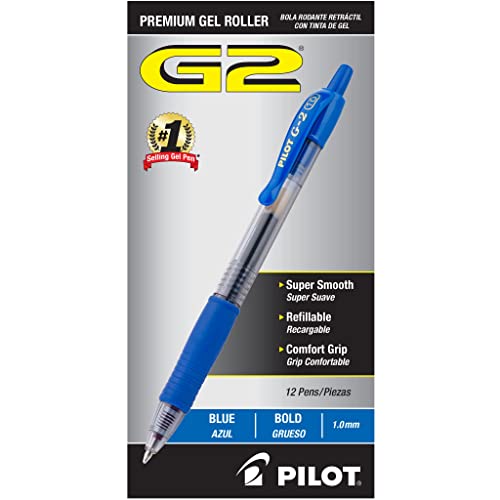
The Pilot G2 Pens are the small writing pick that keeps the notebooks and labels in this row legible. Gel pens suit short, clear entries: a date and rep count in the log, a name on a pouch, a mark on tape that flags the mat edge, or a note on the box where the bar rests between sessions. Clear writing matters in a training corner because the load limit, the fitting order, and the session notes may be read in low light, in a hurry, or by another person who shares the doorway. A pen that lays down a clean line helps those notes stay readable.
Keep the pens with the notebooks, capped, in the pouch or a cup away from the mat, so no pen ends up under a knee or a heel during a set. Use them for labels and notes only, and retire a pen that blobs or skips, since a half-written load limit helps nobody. One pen can live with the log while a second stays with the storage box. Ink color, pack size, and refill details are not stated here, so check the listing before ordering. Plain tools, plainly used, are what a small row needs.
Specs
- Product: Gel pens
- Use: Labels and notes
- Pack size: Not stated
- Ink color: Not stated
- Refills: Not stated
NatraCure Cold Therapy Mittens
After a session of gripping and slow pulling, the hands have done quiet, steady work, and the NatraCure Cold Therapy Mittens close the row as the after-session pick. They are cold therapy mittens made for the hands, and their place here is simple: when the bar is down, the mat is rolled, and the log is written, the mittens give the hands a cold, covered pause while the reader sits. Follow the maker guidance for the mittens exactly, including any time limit the maker gives, and keep skin checks plain and regular while they are worn.
Their limits belong in the open. The mittens are for the hands, in line with the line in the Specs list below, and they are not a wrap for elbows, shoulders, or any other joint that felt the session. They do not treat pain, and this guide makes no claim about recovery or results. Any sharp pain during training is a reason to stop the set and, if it lingers, to check with a qualified professional. Stored dry and kept with the row, the mittens mark the end of the routine the way the frame check marks its opening: a small, clear step, done the same way each time.
Specs
- Product: Cold therapy mittens
- Made just for hands
- Use: After-session cold therapy for the hands
- Session time: Not stated
- Care: Not stated
FAQ
How do I know the door frame is ready for the bar?
Check the frame by eye and by hand before the bar goes up. The woodwork should feel solid and true, with trim firm, no splits near the top corners, and no flex under firm hand pressure. Follow the maker fitting steps exactly, keep the load limit, and pick another doorway if this one moves or feels soft.
What check comes before the first full rep?
Fit the bar, lay the mat flat below the frame, then grip the bar and take a slow partial hang with most of your weight still in your feet. Watch for any slip, creak, or shift at the pads and contact points. Only move to a full rep when the bar holds still and quiet through that check.
How should the pull movements feel during a set?
Slow and even, with no swinging or kipping in the doorway. Rise without a kick, lower with the same control, and move only through the range your shoulders and elbows handle calmly. End the set while form is still clean, and stop at once at any sharp pain. Anyone unsure checks with a qualified trainer.
How is the bar cared for after the session?
Take the bar down once training ends rather than leaving it in the frame. Wipe the pads and contact points clean, let everything dry, and store the bar dry in its box or pouch. Before the next session, run the frame check and the slow partial hang again, even if nothing looks changed.
Final verdict
A doorway chin-up bar row works when the order never changes: frame checked solid and true, maker fitting steps followed exactly, load limit kept, bar checked steady under a slow partial hang, mat flat below, and every rep slow with no swinging or kipping. The five picks support that order in plain roles. The SATINA Leggings cover training wear, MuscleTech Creatine sits as a label-only choice with no claims attached, the feela notebooks hold the logs and lists, the Pilot G2 Pens keep labels and notes clear, and the NatraCure mittens close the session for the hands. Take the bar down after training, wipe the pads and contact points, and store it dry. No item in this row promises any fitness outcome.
Product and ASIN Reference
| Product | ASIN |
|---|---|
| SATINA Leggings | B0B1RWN653 |
| MuscleTech Creatine | B00IUHNCIW |
| feela Pocket Notebooks | B0BG4MFCZC |
| Pilot G2 Pens | B001AQPQBQ |
| NatraCure Cold Therapy Mittens | B08P53NB78 |
FAQ
How do I know the door frame is ready for the bar?
What check comes before the first full rep?
How should the pull movements feel during a set?
How is the bar cared for after the session?
More from Amazon
Programs that pair well with the guide above. Offers and eligibility are set by Amazon and may change.
Free shipping on eligible items, Prime Video and more. Eligible new members can start with a free trial.
Start a Prime free trialA Prime membership for ages 18-24 with a trial period. Eligibility is set by Amazon.
See Prime for Young AdultsAudiobooks and podcasts to listen to on the go. Eligible new members can start with a free trial.
Try Audible freeAd-free music streaming. Eligible new subscribers can start with a free trial.
Try Music Unlimited freeAs an Amazon Associate we earn from qualifying purchases.



Write Your Review
No reviews yet. Be the first to share your experience!