
Best Power Towers for Home Strength Training
The best power tower for most home gyms is a freestanding model with a wide, braced base, a stated capacity of at least 300 lb, and a frame that fits your ceiling with room for a full pull-up. For small rooms or frequent training, prioritize footprint and rigidity over extra attachments; for heavier users or forceful reps, look for a higher capacity and a heavier, wider frame.
Power tower comparison: what the numbers tell you
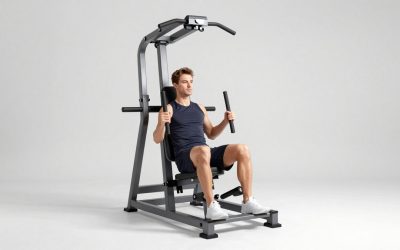
Power towers combine a pull-up bar with dip handles, usually adding a backrest and arm pads for knee raises. Product dimensions and capacities vary by version, so confirm the exact model’s current manual before buying. The figures below are representative manufacturer-listed specifications, not a claim that every version or retailer listing is identical.

SPORTSROYALS Power Tower, Multi-Function Pull up Bar Dip Station with Upgraded Adjustable Foot Cover Equipment for Home Gym,360LBS
Chosen because it specifies 360LBS.
View on Amazon| Model | Approx. footprint (W × D) | Approx. height | Stated user capacity | Best fit |
|---|---|---|---|---|
| Sportsroyals Power Tower | Approx. 40 × 35 in | Approx. 88 in | 400 lb | Users wanting a broad base and multiple grip options |
| Stamina Outdoor Fitness 1690 Power Tower | Approx. 49 × 42 in | Approx. 81 in | 250 lb | Lower-ceiling spaces and basic bodyweight training |
| Weider Power Tower | Approx. 43 × 42 in | Approx. 84 in | 300 lb | General home use with pull-up, dip, and knee-raise stations |
These are not direct performance scores: footprint, frame mass, joint design, and how the unit is assembled all affect stability. A stated capacity is a maximum load specification, not a promise that the tower will feel motionless during every exercise.
Choose by room, body size, and training style
- Low ceiling or basement: Start with height, not brand. Measure from floor to ceiling, then check the pull-up bar height and your own reach. A tower that technically fits may still leave too little clearance to mount the bar or complete a full hang.
- Compact room: Compare the full base footprint, not just the upright frame. Leave clear space around the dip handles and enough room to step behind the tower for knee raises. A narrower base saves floor area but can be less reassuring during swinging reps.
- New to bodyweight training: A standard tower with stable dip handles and comfortable forearm pads is usually enough. Bands or a step can help with assisted pull-ups, but confirm the frame and base stay steady as you get on and off.
- Frequent or vigorous sessions: Favor a heavier frame, broad feet, and cross-bracing. If you plan kipping or other high-swing movements, a freestanding home tower may not be the right tool; use equipment explicitly designed and secured for that use.
- Taller or heavier users: Check both the capacity and handle spacing. A high capacity does not guarantee that the pull-up bar, back pad, or dip handles suit your proportions.
Three buying decisions that matter more than extra features
1. Ceiling fit: calculate usable clearance
Measure the room at the exact spot where the tower will stand, including any sloped ceiling, light fixture, or beam. Then compare that measurement with the assembled height. For pull-ups, also account for the space needed to reach the bar and bend your knees while hanging. For example, an 88-inch tower in a 90-inch room leaves only 2 inches above the frame: it may fit on paper, but moving it upright during assembly or reaching the bar could be awkward. Check the manual’s assembly orientation and required clearance before ordering.
2. Base stability: inspect the geometry
A wide front-to-back base and braced uprights generally resist rocking better than a tall, light frame with a narrow stance. Look for non-slip feet that contact the floor evenly and bolts joining the base to the uprights. On uneven floors, a wobble can persist even when every fastener is tight; place the unit on a firm, level surface rather than trying to compensate with loose shims. A mat can protect flooring, but a soft or thick mat may make the tower less stable.
3. Padding and handles: comfort affects repeat use
Arm pads and a back pad help during knee raises, but thick padding is not automatically better. Check that the pads are firmly attached, have sealed seams, and do not shift under pressure. Vinyl or similar wipe-clean covers are practical; they can crack or split over time, especially if cleaned with harsh solvents or left in direct sunlight. Grip foam is another common wear point. Bare or textured metal may last longer but can feel uncomfortable without gloves.
Assembly and ownership: what to expect
Most towers arrive as a boxed frame with multiple bolts and separate uprights, handles, and pads. Assembly is typically a two-person job: one person can hold a section square while the other starts the fasteners. Lay out hardware first, follow the manual’s bolt sequence, and leave connections slightly loose until the frame is aligned. Tightening one side fully before the opposite side is attached can pull the frame out of square and create a wobble.
After assembly, check that all feet sit flat and retighten fasteners after the first few sessions, then inspect them periodically. Stop using the tower if a weld, frame tube, handle, or attachment point looks cracked or bent. Keep pads clean with a mild cleaner compatible with the manufacturer’s care instructions, and dry them before use. Sweat and skin oils can degrade covers and make grips slick.
Expect the pads and grip surfaces to show wear before the steel frame, especially with daily use. If replacement pads or parts matter to you, check whether the manufacturer offers them before purchase. Avoid hanging extra weights or bands from parts that are not designed as attachment points; doing so can change how loads travel through the frame.
Final picks by situation
- Best for a high-capacity spec: Sportsroyals Power Tower, if its footprint and height suit your room. Its listed 400 lb capacity is the highest among the examples here, but still check the exact model and manual.
- Best for lower ceilings: Stamina 1690, at approximately 81 inches tall. Its listed capacity is lower, so weigh the height advantage against your needs.
- Best straightforward all-rounder: Weider Power Tower, with a mid-range listed height and capacity. Confirm the handle layout and base dimensions for the particular version.
- Best choice when stability is uncertain: Choose the broadest, most heavily braced model that fits, and avoid explosive swinging movements. If you cannot secure enough floor space around it, consider a wall-mounted bar and separate dip solution only where the wall and installation are appropriate.
Before deciding, verify the exact assembled dimensions, user-capacity specification, warranty, and assembly instructions. The right power tower is the one that fits your ceiling and movement space, stays planted for your intended exercises, and has contact points you will still find comfortable after months of use.


Write Your Review
No reviews yet. Be the first to share your experience!