
Key takeaways
What's inside
- Roller Mechanics: 2D, 3D, and 4D Systems
- Track Architecture: S-Track vs. L-Track vs. SL-Track
- Body Scanning and Sizing Compatibility
- Zero Gravity Positioning and Spinal Decompression
- Compression Airbags and Targeted Heat Therapy
- Essential Build Quality and Maintenance Factors
- Related Guides
- FAQ
- Related Guides
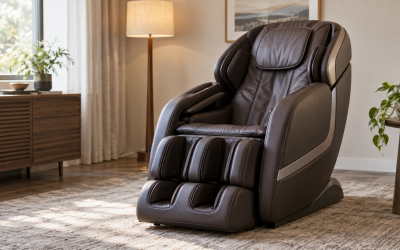
Investing in a high-end recovery tool can completely change your daily routine, but shopping for a full body relaxation massage chair is rarely straightforward. With prices ranging from modest investments to luxury automobile territory, it is easy to get overwhelmed by marketing jargon like three-dimensional rollers, zero gravity angles, and advanced track technology. The market offers more advanced ergonomics than ever, but sophisticated features only matter if they align with your specific body type, tension patterns, and spatial constraints at home.
- Roller Mechanics: 2D, 3D, and 4D Systems
- Track Architecture: S-Track vs. L-Track vs. SL-Track
- Body Scanning and Sizing Compatibility
- Zero Gravity Positioning and Spinal Decompression
- Compression Airbags and Targeted Heat Therapy
- Essential Build Quality and Maintenance Factors
- Related Guides
- FAQ
- Related Guides
This guide cuts through the marketing noise to help you understand what actually drives performance, comfort, and long-term durability. By focusing on core engineering principles rather than flashy, unused modes, you can secure a machine that genuinely relieves stress, improves circulation, and delivers lasting value without paying for unnecessary extras.
As an Amazon Associate we earn from qualifying purchases at no extra cost to you. Product prices and availability are accurate as of the date shown and are subject to change.

Roller Mechanics: 2D, 3D, and 4D Systems
The mechanical rollers are the heart of any quality massage chair, determining how deeply and accurately the device can manipulate your muscle tissue. A standard 2D roller system moves up and down and side to side, offering a reliable surface-level massage where you can manually adjust the intensity by adding or removing padding. However, if you suffer from deep chronic knots in your shoulders or lower back, a 2D system might feel too flat and repetitive over time.
Stepping up to a 3D roller system introduces depth, allowing the rollers to push inward and pull outward from the backrest to mimic human thumbs pressing into your muscles. This depth adjustment is crucial for full body relaxation because different areas of your back require varying levels of pressure. Modern 4D rollers take this a step further by varying the speed and rhythm of the mechanical movements, creating a remarkably fluid and lifelike experience that closely mimics a professional massage therapist.
Track Architecture: S-Track vs. L-Track vs. SL-Track
The track inside the backrest dictates the physical range of motion for the massage rollers, influencing how much of your body receives direct treatment. An S-track follows the natural curvature of your spine, starting at the neck and traveling down to the lumbar region. While this design offers exceptional spinal alignment and targeted relief for the upper back, it typically stops short of the glutes and upper thighs.
An L-track extends further downward, curving underneath the seat to massage the gluteal muscles and hamstrings, which is ideal for those who sit at a desk all day and experience lower chain tightness. The hybrid SL-track combines both concepts, following the natural shape of the spine while extending all the way down to the upper thighs. For comprehensive relaxation, an SL-track is generally the superior choice because it treats the entire posterior chain in one continuous motion.
Body Scanning and Sizing Compatibility
A massage chair can feature the most advanced technology on the market, but it will fail to deliver results if the rollers miss your specific pressure points. Modern chairs utilize optical or pressure-based body scanning technology during the initial startup phase to map your spine length and shoulder height. This automatic calibration ensures that neck rollers do not end up hammering your skull and lower back mechanisms do not miss your lumbar region.
Before purchasing, always cross-reference your height and weight with the manufacturer’s specified operational range. Some compact models are engineered specifically for users under a certain height, while heavy-duty frames accommodate broader shoulders and higher weight capacities. Ensuring proper physical proportions prevents awkward positioning that strains your neck and compromises the relaxation experience.
Zero Gravity Positioning and Spinal Decompression
Zero gravity positioning is inspired by NASA engineering, designed to distribute your body weight evenly across the backrest by elevating your feet above your heart. In this reclined posture, the spine experiences immediate decompression as gravity stops compressing the vertebrae. This weightless feeling significantly enhances circulation and allows the massage rollers to penetrate deeper into tense back muscles with minimal mechanical force.
When evaluating chairs with zero gravity recline, look closely at the required wall clearance. True space-saving designs slide forward on their base as they recline, meaning they can sit nearly flush against a living room wall. Standard models require several extra feet of clearance behind the chair, which can dramatically impact your room layout and placement options.
Compression Airbags and Targeted Heat Therapy
While rollers handle your back and glutes, a comprehensive relaxation experience relies heavily on pneumatic airbag compression to treat peripheral areas like arms, shoulders, calves, and feet. These airbags inflate and deflate sequentially to squeeze and release muscle tissue, promoting lymphatic drainage and relieving minor swelling in the extremities. Adjustable intensity levels are vital here, as overly aggressive airbags can cause discomfort rather than relief.
Targeted heat therapy complements these mechanical functions by warming up stiff muscles before the rollers begin their work. Infrared heating elements embedded in the lumbar region, calves, or seat promote vasodilation, allowing tight muscle fibers to loosen up faster. Look for chairs with independent heat controls so you can isolate warmth to the areas that need it most without overheating your entire body.
Essential Build Quality and Maintenance Factors
Purchasing a relaxation chair is a long-term commitment, making build quality and upholstery durability critical considerations. Synthetic leather options range from basic polyurethane to heavy-duty, commercial-grade synthetics designed to withstand years of friction, sweat, and pressure. Breathable fabrics prevent sticking during long sessions, while modular zip-away components make it easier to clean or replace worn-out sections down the line.
Finally, examine the warranty terms provided by the manufacturer before finalizing your decision. Reputable brands typically offer multi-year coverage that includes structural frame integrity, mechanical components, and in-home technician labor. Understanding who pays for shipping and service calls if a component fails will save you significant headaches and maintenance costs in the future.
Related Guides
To see how specific models stack up against these evaluation criteria, check out our curated breakdown of the best massage chair for full body relaxation in 2026.
FAQ
Do massage chairs really help with chronic back pain?
Yes, regular use can significantly alleviate muscular tension, improve spinal alignment, and increase local blood circulation. However, they are complementary wellness devices rather than medical treatments, so consulting a physician for severe chronic conditions is always recommended.
How much space do I need to leave behind a zero gravity chair?
Many modern units feature space-saving slide technology that requires only a few inches of clearance from the wall. Traditional models without this feature may require up to two feet of space behind the backrest to fully recline into position.
Can anyone use a full body massage chair safely?
Most healthy adults can use these chairs safely, but individuals with severe osteoporosis, recent surgeries, open wounds, or implanted medical devices like pacemakers should consult a doctor first. It is also wise to start with lower intensity settings to see how your body responds.
How often should I use my massage chair for best results?
Limiting sessions to one or two 15-to-20-minute routines per day is ideal for preventing muscle soreness and overstimulation. Consistency matters more than duration, so regular daily short sessions yield better relaxation than occasional lengthy ones.

Write Your Review
No reviews yet. Be the first to share your experience!