
Key takeaways
What's inside
- Assess Their Current Routine, Not Their Aspirations
- Prioritize Compatibility Over Extra Features
- Understanding Durability and Material Quality
- Size and Space Constraints in Home Gyms
- When to Invest in Premium Tech Versus Simple Gear
- Avoiding Single-Use Gadgets That Gather Dust
- Related Guides
- FAQ
- Related Guides
Buying fitness gifts can feel like walking through a minefield of high-tech promises, fleeting fitness trends, and expensive gadgets that risk ending up as glorified coat racks. Whether you are shopping for a seasoned marathon runner, a garage gym enthusiast, or someone just starting their wellness journey, the key to a successful gift lies in utility rather than novelty. Navigating the sheer volume of equipment available today requires looking past flashy marketing and zeroing in on what the recipient will actually integrate into their daily routine.
- Assess Their Current Routine, Not Their Aspirations
- Prioritize Compatibility Over Extra Features
- Understanding Durability and Material Quality
- Size and Space Constraints in Home Gyms
- When to Invest in Premium Tech Versus Simple Gear
- Avoiding Single-Use Gadgets That Gather Dust
- Related Guides
- FAQ
- Related Guides
When you focus on the mechanics of their training style, space limitations, and gear longevity, you remove the guesswork from gifting. Too often, well-meaning buyers purchase items based on what looks impressive in a catalog rather than what solves an actual training bottleneck. By understanding the core specs, compatibility factors, and quality indicators that truly matter, you can select a piece of gear that enhances performance, prevents injury, and brings genuine value to their workouts.
Assess Their Current Routine, Not Their Aspirations
The biggest mistake gift-givers make is buying equipment for the exerciser the recipient *wants* to be, rather than the one they currently are. If your friend runs three miles every morning, buying them an introductory Olympic lifting barbell is likely a miss, no matter how highly rated it is. Pay attention to the modalities they already enjoy—running, yoga, strength training, or cycling—and look for gear that directly upgrades that specific experience. Upgrading an existing piece of daily equipment, like replacing worn-out running shoes or a fraying yoga mat, often brings far more daily joy than introducing an entirely new, unrequested training discipline.
Prioritize Compatibility Over Extra Features
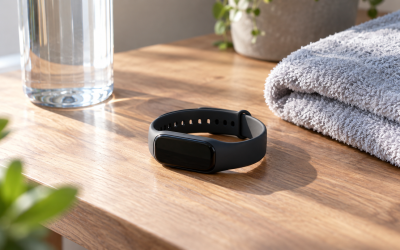
Modern fitness gear is heavily digitized, meaning compatibility can make or break a gift. If you are looking at smartwatches, heart rate monitors, or app-connected resistance bands, verify that the device syncs seamlessly with the smartphone operating system and fitness tracking apps the recipient already uses. A high-end tracker that refuses to pair with their preferred training software quickly becomes a frustrating paperweight. Always check platform requirements, Bluetooth versions, and subscription prerequisites before committing your hard-earned money to a tech-heavy fitness present.
Understanding Durability and Material Quality
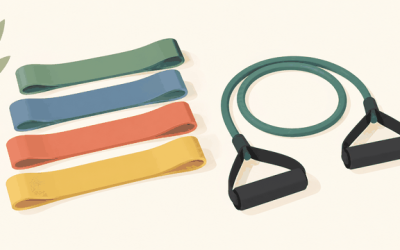
Fitness equipment takes a beating, so material integrity is non-negotiable. When buying items subjected to sweat, heavy impact, or outdoor elements, look for robust construction details like reinforced stitching, heavy-gauge steel, or medical-grade silicone. For example, resistance bands should feature high-grade natural latex or protective fabric sleeves to prevent snapping, while dumbbells require solid rubber or urethane coatings to protect floors and withstand drops. Spending a little more on superior raw materials guarantees the gear survives rigorous, daily use without degrading prematurely.
Size and Space Constraints in Home Gyms
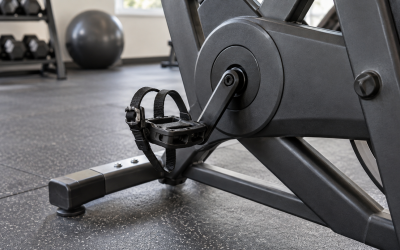
Space is a luxury, especially for those working out in apartments, spare bedrooms, or crowded garages. Before purchasing bulky items like stationary bikes, heavy kettlebell sets, or sprawling multi-station racks, consider the physical footprint. Adjustable equipment, such as adjustable dumbbells or collapsible jump boxes, makes for brilliant gifting because it delivers maximum versatility while minimizing clutter. Always ensure your recipient has the square footage—and ceiling height—to use and store the gift safely without rearranging their entire living space.
When to Invest in Premium Tech Versus Simple Gear
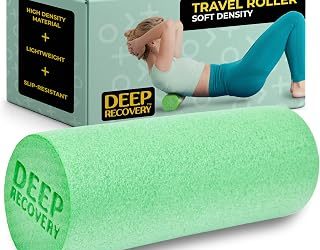
Not every fitness gift needs a digital screen, a battery, or a companion app. Sometimes, simpler is vastly superior. Premium technology is worth the investment when it provides actionable data that directly changes training outcomes, such as precise power meters for cyclists or advanced GPS tracking for trail runners. However, for general conditioning, traditional tools like slam balls, pull-up bars, or foam rollers require zero tech to be immensely effective. Match the complexity of the gift to the user’s data appetite; data-driven athletes love metrics, while casual movers often prefer hassle-free analog gear.
Avoiding Single-Use Gadgets That Gather Dust
The fitness industry is notorious for gimmicky products designed to target hyper-specific, unproven movements. When evaluating a gift, ask yourself if the tool can be used for multiple exercises across different muscle groups. Versatile items provide long-term utility, whereas single-use gadgets usually offer a brief novelty phase before getting relegated to the back of the closet. If a tool only serves one minor function, look for a more dynamic alternative that adapts to varied programming and evolving fitness goals.
Related Guides
To explore more top-rated equipment options and detailed product analyses, take a look at our Best Fitness Gifts in 2026: Tested and Ranked roundup.
FAQ
What is the safest fitness gift for someone whose routine I do not know well?
Gift cards to specialized fitness retailers or high-quality consumable accessories like moisture-wicking socks, premium water bottles, and massage rollers are exceptionally safe bets. These items are universally useful, eliminate sizing issues, and are appreciated by athletes of every discipline.
As an Amazon Associate we earn from qualifying purchases at no extra cost to you. Product prices and availability are accurate as of the date shown and are subject to change.

How do I know if a piece of fitness equipment is durable?
Look for solid construction materials, reputable brand warranties, and robust user reviews that specifically mention long-term wear. Industrial-grade plastics, heavy-duty stitching, and powder-coated steel are strong indicators that a product is built to handle heavy, repetitive stress.
Should I buy smart fitness tech for beginners?
Smart fitness tech can be motivating for beginners, but it can also overwhelm those still trying to master basic movement patterns. Simple, dependable gear is usually a better starting point unless the beginner has explicitly asked for a specific tracker or app-enabled device.
How much should I expect to spend on a quality fitness gift?
Meaningful fitness gifts can be found at every price point, ranging from twenty-dollar recovery tools to hundreds of dollars for advanced hardware. The key is prioritizing craftsmanship over unnecessary branding, ensuring your budget delivers maximum real-world utility.


Write Your Review
No reviews yet. Be the first to share your experience!