
Key takeaways
- Light: ideal for warm-ups, lateral band walks, and learning the movement.
- Medium: your everyday working resistance for glute bridges and clamshells.
- Heavy: reserved for hip thrusts and loaded abduction once form is solid.
What's inside
Glute activation is the quiet foundation of nearly every lower-body lift, sprint, and jump, yet dormant glutes are one of the most common problems for people who sit all day. A good set of fabric resistance bands wakes those muscles up in minutes, priming them before squats and deadlifts or delivering a complete burn on their own. In 2026, fabric booty bands have largely replaced thin latex loops because they grip the skin without rolling or snapping.
This buying guide breaks down what actually matters when choosing bands for glute work, from resistance levels to fabric quality, and points to real options like the popular five-band fabric sets and mini 12-inch loops such as the Serious Steel Fitness Hip & Glute Activation bands. Pick the right set and your warm-ups and finishers will never feel the same.
As an Amazon Associate we earn from qualifying purchases at no extra cost to you. Product prices and availability are accurate as of the date shown and are subject to change.


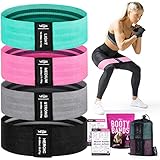
![Booty Resistance Bands Set, Renoj Non Slip Hip Exercise Bands for Legs and Butt Women [3 Set]](https://m.media-amazon.com/images/I/61kFsOUspAL._SL160_.jpg)
⚡ Save on Your Next PC — Amazon Prime
Prime members get fast free shipping on the systems above, plus early access to Prime Day & Black Friday PC deals. New members get a 30-day free trial.
Watch: Buying Guide: Choosing Resistance Bands for Glute Activation — Video Review
Fabric vs. Latex Bands
The first decision is material. Thin latex loops are cheap and portable, but they pinch, roll up the thighs, and lose tension over time. Fabric bands, like the widely used Fabric Resistance Bands 5-Band Set for Legs and Glutes, use a woven cotton-and-elastic blend that stays put during lateral walks and hip thrusts. For serious glute activation, fabric is almost always the better long-term buy despite the higher price.
Understanding Resistance Levels
Most quality sets ship with three to five graded resistances, usually color-coded from light to extra-heavy. A three-pack such as the Fabric Resistance Bands 3-Pack covers the essentials, while a five-band set gives you finer jumps for progressive overload. Beginners should spend most of their time on light and medium bands to nail the muscle connection before chasing heavier tension.
- Light: ideal for warm-ups, lateral band walks, and learning the movement.
- Medium: your everyday working resistance for glute bridges and clamshells.
- Heavy: reserved for hip thrusts and loaded abduction once form is solid.
Sizing and Fit
Band length changes the exercises you can perform. Short 12-inch loops like the Serious Steel bands sit just above the knees and excel at abduction and activation drills. Longer loops let you loop around the ankles for kickbacks and monster walks. If you have larger thighs, check the flat, un-stretched circumference so the band does not dig in uncomfortably during high-rep sets.
Grip and Durability
Look for an inner silicone grip strip or a tightly woven non-slip weave, a feature highlighted on sets like the Renoj Booty Resistance Bands. This is what stops the band creeping during 20-rep sets. Also check stitching at the seam, the most common failure point. Well-constructed bands should survive years of regular use without fraying.
Tips
- Position the band just above the knees for activation, or at the ankles for a harder challenge.
- Move slowly and squeeze at the top of each rep to maximize the mind-muscle connection.
- Keep tension on the band throughout the set rather than letting it go slack.
- Store bands away from direct sunlight to preserve the elastic fibers.
Frequently Asked Questions
How many resistance bands do I actually need?
A three-band light-to-heavy set covers almost every glute exercise. A five-band set is worth it if you want smaller progression jumps and expect to get stronger quickly.
Should I get fabric or latex glute bands?
Fabric bands are the better choice for glute activation because they grip the skin, resist rolling, and hold their tension far longer than thin latex loops.
Where should the band sit for glute activation?
Placing the band just above the knees targets the gluteus medius during lateral walks and bridges, while ankle placement increases difficulty for kickbacks.
Can resistance bands replace weights for glutes?
They are excellent for activation and high-rep burnouts, but for maximum strength and size most people combine bands with loaded exercises like hip thrusts and squats.
Conclusion
The best glute band is the one you will actually use, and for most people that means a durable fabric set with three to five graded resistances and a genuine non-slip grip. Prioritize material and stitching over price, match the band length to your favorite exercises, and you will have a compact tool that primes your glutes before every leg day and doubles as a complete travel workout.



Write Your Review
No reviews yet. Be the first to share your experience!