
Our Top Picks
Hiking boots are the one piece of trail gear where a wrong guess shows up in blisters by mile three. Unlike a jacket or a pack, a boot has to match a foot’s shape, the kind of ground it will cross, and the weather it will meet. The practical question is how much boot a hiker actually needs: a lightweight ankle-high model for day hikes, a mid-rise with a waterproof liner for wet trails, or an insulated pair for cold, snowy walks.
This guide is for day hikers, weekend campers, and anyone replacing worn-out trail shoes with something with more ankle coverage. It covers seven boots, from budget-friendly lightweight models to a brand-name Timberland mid and an insulated winter pair. The comparison relies on what each listing title states, such as waterproof wording, height, insulation, and traction claims. Fit and sizing are personal, so check the size chart, width options, and return policy on the full listing before buying in 2026, and ease into longer miles gradually.
Quick Picks

NORTIV 8 Men's Ankle High Waterproof Hiking Boots,Brown/Black/Tan,10.5W | Outdoor Lightweight Hiking Boots for Camping, Trekking and Mountaineering Armadillo
One of the consumer electronics options compared in this guide.
View on Amazon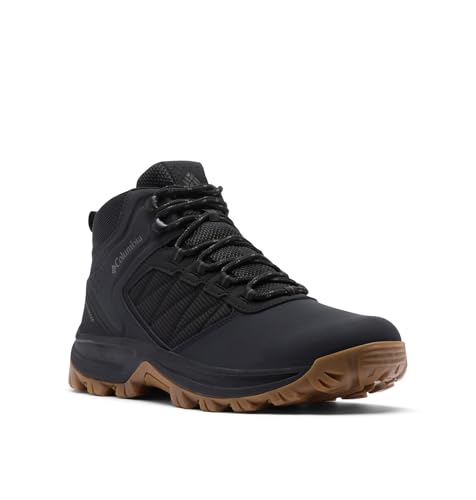
Columbia Men's Transverse Waterproof Hiking Boot, Black/Black, 8 | Transverse Hike Waterproof Shoe offers dry comfort and all-terrain traction on any trail
One of the consumer electronics options compared in this guide.
View on Amazon
NORTIV 8 Men's Ankle High Waterproof Hiking Boots,All Black,11 | Outdoor Lightweight Hiking Boots for Camping, Trekking and Mountaineering Armadillo
One of the consumer electronics options compared in this guide.
View on Amazon
Columbia Men's Transverse Waterproof Hiking Boot | Fully Waterproof, High Traction, Lightweight, Wide Fit Available
One of the consumer electronics options compared in this guide.
View on Amazon
NORTIV 8 Women's Waterproof Hiking Boots Trekking,Black/Pink,8 | Lightweight Hiking Walking Trail Work Rain Camping Outdoor Slip Resistant Daily Boots Seeker
One of the consumer electronics options compared in this guide.
View on Amazon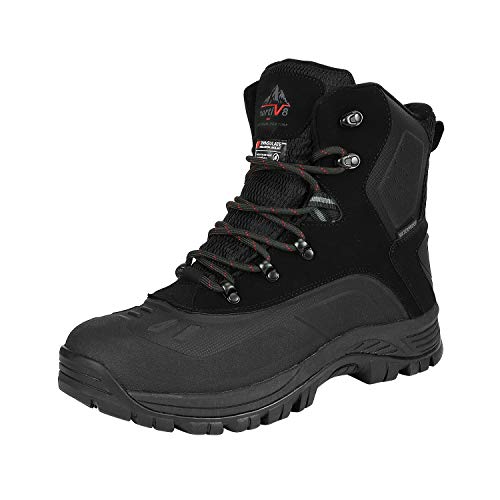
NORTIV 8 Men's Waterproof Hiking Winter Snow Boots,Black/1,9 | Insulated Construction Hunting Ski Work Boots TUNDRA
One of the consumer electronics options compared in this guide.
View on Amazon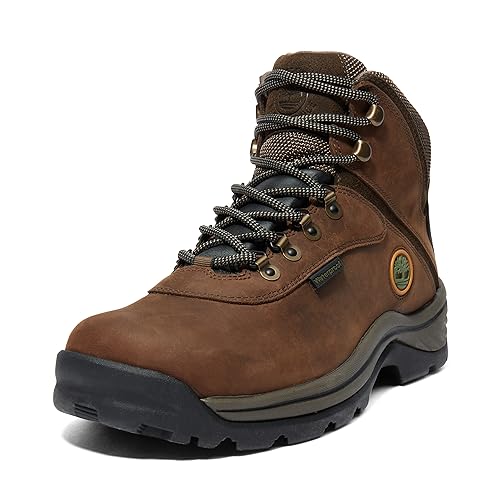
Timberland Men's White Ledge Mid Waterproof Hiking Boot, Brown-NEW 2024, 13 Medium
One of the consumer electronics options compared in this guide.
View on Amazon| Product | Best for | Key spec from the title |
|---|---|---|
| NORTIV 8 Men’s Ankle High | Budget-minded day hikes | Ankle high, waterproof wording, lightweight |
| Columbia Men’s Transverse | Brand-name all-terrain traction | Waterproof, high traction, lightweight, wide fit available |
| NORTIV 8 Women’s | Women’s trail and daily wear | Waterproof, lightweight, slip resistant |
| NORTIV 8 Tundra Winter | Cold-weather and snow hikes | Insulated construction, waterproof wording |
| Timberland White Ledge Mid | Classic mid-rise boot | Mid height, waterproof wording |
| SHULOOK Mid Top | Breathable lightweight trails | Non-slip, lightweight, mid top, breathable |
| XPETI Thermator Mid-Rise | Cold, wet hikes | Mid-rise, waterproof, insulated, non-slip |
How to Choose
Height and ankle coverage
Boots in this list run from ankle-high to mid-rise. Taller cuffs give more coverage against brush, mud, and snow, while lower cuts feel nimbler on easy trails. A mid-rise boot suits uneven ground and wet grass, but a hiker who walks mostly on groomed paths may prefer a lighter ankle-high model. Try to match the cut to the trails you actually walk, not to the roughest terrain you can imagine. A boot bought for the hardest trail on a wish list often ends up too heavy for the easy loops that make up most outings, while a light boot on a rocky ridge may leave a hiker wishing for more structure around the ankle.
Waterproofing versus breathability
Many titles say waterproof, which usually means a membrane or coated upper that keeps puddles and wet grass out. The tradeoff is that waterproof boots can feel warm in summer heat. A breathable mesh upper, as the SHULOOK title mentions, stays cooler but typically gives up some water protection. Check the listing for how the waterproofing is built, and remember that no boot stays dry if water pours in over the top. Wet feet usually come from creek crossings and deep puddles, so carrying a spare pair of socks is a more reliable plan than trusting any waterproof label completely.
Insulation, weight, and season
Insulated boots like the Tundra and the XPETI Thermator add warmth for cold-weather walking, but they also add weight and heat for warm days. Lightweight titles, such as the Columbia Transverse and the NORTIV models, appeal to hikers who want less fatigue over distance. Pick a boot for the season you will wear it most, and check the listing before assuming any specific temperature rating. Weight deserves a second look as well: a pair that feels light in the hand can still tire the legs over a full day if the sole is stiff, so compare listed weights where they are given and read the fit comments before ordering.
Fit, traction, and what budget boots cut
Fit comes first: leave room for a thumb-width gap at the toe, and try boots with the socks you plan to wear. Traction wording varies, from high traction to slip resistant, so look at the outsole photos for lug depth. Budget boots tend to cut corners on insole cushioning, stitching, and long-term outsole wear. Break boots in on short walks first, since no boot fits every foot, and ask a gear shop for sizing help if you are between sizes. Women’s and men’s lasts differ in width and heel shape, so choose the category that matches your foot, and regard the size printed in a listing title as a color-and-size sample, not a guarantee of your size.
The 7 Best Options
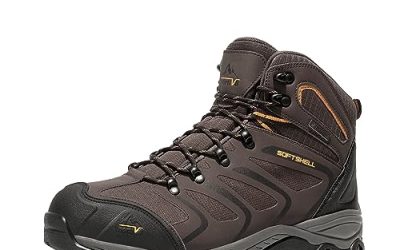
NORTIV 8 Men’s Ankle High Waterproof Hiking Boots
This NORTIV model is the everyday budget pick. The title describes an ankle-high waterproof hiking boot in lightweight form, suitable for camping, trekking, and mountaineering-style use, available in several colors. It suits hikers who want waterproof wording without a premium price tier.
- Strength: ankle-high cut keeps the boot light.
- Strength: waterproof wording suits wet grass and puddles.
- Trade-off: the title does not describe insulation or a specific traction pattern.
Skip it if you want a taller cuff for deep mud or snow. Multiple listing versions exist in different colors and sizes, so confirm the exact color, width, and size before checking out, and review the return terms in case the fit is off.
Columbia Men’s Transverse Waterproof Hiking Boot
Columbia’s Transverse is the brand-name option. The title mentions full waterproofing, high traction, lightweight build, and wide fit availability. It appears in more than one listing, so match the width and size options before purchase.
- Strength: wide fit availability helps broader feet.
- Strength: high traction wording suits all-terrain walking.
- Trade-off: the visible title does not describe insulation.
Skip it if you want a winter-focused boot for cold walks. Hikers with wider feet should also check the available widths on the listing, since the wide fit option may not be offered in every color or size.
NORTIV 8 Women’s Waterproof Hiking Boots
This women’s model is for trail days and daily wear. The title lists waterproof construction, lightweight build, slip-resistant soles, and suitability for walking, trail, work, rain, and camping. It also comes in a black and pink color option.
- Strength: lightweight and slip-resistant wording suit mixed use.
- Strength: dual use for trail and daily wear.
- Trade-off: general-purpose positioning means fewer technical details.
Skip it if you need a boot with insulation or a taller shaft. Because the listing frames it for walking, work, and rain as well as camping, it can double as an everyday boot, which suits people who want one pair for the trail and for the commute.
NORTIV 8 Tundra Waterproof Winter Snow Boots
The Tundra is the cold-weather NORTIV. The title lists waterproof construction, insulated build, and use for hunting, skiing, and work in winter. It is a better fit for cold hikes than for summer walks.
- Strength: insulated construction for cold conditions.
- Strength: waterproof wording suits snowy or slushy trails.
- Trade-off: insulation adds warmth that may be too much in mild weather.
Skip it if you hike mostly in spring or summer. Keep the laces and tongue clear of packed snow, dry the liner after each outing, and check the listing for the sole pattern before counting on grip on ice.
Timberland Men’s White Ledge Mid Waterproof Hiking Boot
Timberland’s White Ledge is the classic mid-rise. The title lists a mid-height, waterproof hiking boot in a brown finish. Fans of the brand like its familiar look for both trail and town use, and the mid cut gives a bit more structure around the ankle than low-top shoes.
- Strength: mid-rise height offers more coverage.
- Strength: a well-known brand in outdoor footwear.
- Trade-off: the title gives few details on weight or traction.
Skip it if you want the lightest possible trail boot. Shoppers should compare sizing notes on the listing, as traditional leather-style boots can need a short break-in period before long outings feel comfortable.
SHULOOK Men’s Waterproof Hiking Boots
SHULOOK targets breathability and weight. The title describes waterproof wording alongside non-slip, lightweight, mid-top ankle boots with breathable construction for trekking. That mix suits hikers who want a mid-cut without a heavy feel.
- Strength: breathable and lightweight wording suits warmer days.
- Strength: non-slip wording for varied terrain.
- Trade-off: breathability may reduce warmth in cold conditions.
Skip it if you need real insulation for winter. For hot-weather hikers, pairing a breathable boot with moisture-wicking socks is a general comfort tip that applies across brands.
XPETI Men’s Thermator Mid-Rise Waterproof Hiking Boot
The XPETI Thermator is the insulated mid-rise. The title lists mid-rise height, waterproof wording, insulation, non-slip build, and a camouflage finish. It suits cold-weather walking, and the camouflage styling will appeal to shoppers who want a lower-profile look on the trail.
- Strength: insulated and mid-rise for cold, damp days.
- Strength: non-slip wording for wet ground.
- Trade-off: insulation adds heat in mild weather.
Skip it if you want a three-season boot. Because insulation adds both weight and warmth, many hikers keep a pair like this just for the coldest months and wear a lighter boot the rest of the year.
Which One Fits Your Situation
Easy weekend day hikes
The NORTIV 8 Men’s Ankle High keeps weight and cost down. The SHULOOK is an option for warmer climates.
Wide feet or mixed terrain
The Columbia Transverse lists wide fit availability and high traction.
Cold, snowy walks
The NORTIV Tundra or XPETI Thermator add insulation for winter.
A women’s trail boot that doubles for errands
The NORTIV 8 Women’s boot is built around waterproof, lightweight, and slip-resistant wording, which suits someone who wants a single pair for trail mornings and rainy-day errands. For a more traditional silhouette, the Timberland mid is the closer match.
Common Mistakes
- Skipping a break-in period before a long hike.
- Buying insulated boots for warm-weather trails.
- Ignoring width options.
- Wearing thin socks with boots sized for thick ones.
- Assuming waterproof means dry in deep water.
Related guides
Frequently Asked Questions
Are waterproof boots always better?
Not always. They can run warm in summer, and a waterproof lining can slow drying once water gets in over the top. Breathable boots stay cooler but offer less water protection, so match the choice to the climate and the trails you walk.
How should hiking boots fit?
Leave about a thumb’s width at the toe and try them with the socks you plan to hike in, ideally late in the day when feet are at their largest. The heel should stay snug without rubbing, and the boot should flex where the foot bends.
Is ankle-high or mid-rise the better cut?
It depends on terrain and personal preference. Mid-rise gives more coverage against mud, brush, and snow, while ankle-high is lighter and feels nimbler on easy paths. Fit and sizing advice here is general, so a gear shop can help with specifics.
Are insulated boots for winter only?
They are best for cold weather, and can feel warm on mild days. Check the listing for details, since insulation wording in a title does not come with a temperature rating unless the listing states one.
FAQ
Are waterproof boots always better?
How should hiking boots fit?
Is ankle-high or mid-rise the better cut?
Are insulated boots for winter only?
More from Amazon
Programs that pair well with the guide above. Offers and eligibility are set by Amazon and may change.
Free shipping on eligible items, Prime Video and more. Eligible new members can start with a free trial.
Start a Prime free trialA Prime membership for ages 18-24 with a trial period. Eligibility is set by Amazon.
See Prime for Young AdultsAudiobooks and podcasts to listen to on the go. Eligible new members can start with a free trial.
Try Audible freeAd-free music streaming. Eligible new subscribers can start with a free trial.
Try Music Unlimited freeAs an Amazon Associate we earn from qualifying purchases.
Write Your Review
No reviews yet. Be the first to share your experience!