
Our Top Picks
 Night Cat Backpacking Tent for One 1 to1 Person (7.0*3.8*3.6ft)4.72 x 4.72 x 16.54 inches4.3 poundsCheck on Amazon
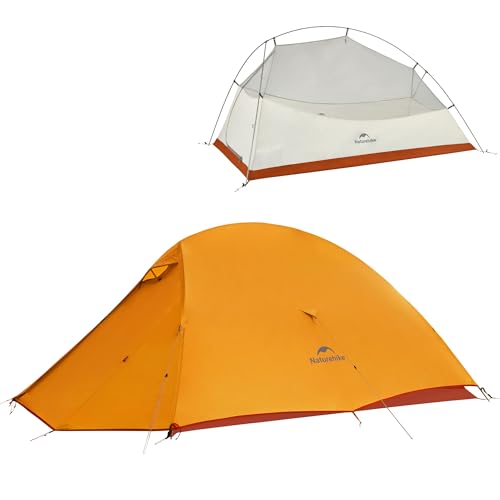 Naturehike Cloud up Base Backpacking Tent2 Person82.7 x 51.2 x 41.3 inches4.25 poundsCheck on Amazon
A backpacking tent has to do two jobs that pull in opposite directions: it must be light enough that you forget it is in your pack, and sturdy enough that it holds up in wind and rain at the end of a long day. Every extra ounce is felt on the trail, yet cutting weight too far means thinner fabric, fewer vents, and cramped space. The decision usually comes down to how many people sleep inside, which seasons you hike in, and whether you want a freestanding design that pitches anywhere or a single-wall shelter that packs smaller.
This 2026 guide compares seven tents ranging from a solo single-layer shelter to freestanding two-person designs from well-known outdoor brands. Each tent is described only from its listing title, and packed weight, floor dimensions, and pole details are often left out, so check the listing before you order. Waterproof ratings and season ratings are cited only where the title states them, and any tent should be pitched with stakes and guy lines as the instructions describe.
Quick Picks
Night Cat Backpacking Tent for One 1 to 2 Persons Lightweight Waterproof Camping Hiking Tent for Adults Kids Scouts Easy Setup Single Layer 2.2x1.2m
One of the consumer electronics options compared in this guide.
View on Amazon
Night Cat Backpacking Tent 2 Persons with Aluminium Pole Double Layers Camping Tent Adults Rainproof Lightweight Easy Setup Two Doors Hiking Mountaineering 2.2x1.4m
One of the consumer electronics options compared in this guide.
View on Amazon
Marmot Crane Creek 2P Tent | Marmot Tent, Two-Person, Lightweight and Durable for Backpacking, Camping, Mountaineering in Fall
One of the consumer electronics options compared in this guide.
View on Amazon
2 Person 4 Season Backpacking Tent, Lightweight Waterproof Winter Tent
One of the consumer electronics options compared in this guide.
View on AmazonNaturehike Cloud up Base Backpacking Tent, Waterproof Lightweight 2 Person Tent for Camping, Double Layer Two Person Tent with Footprint
One of the consumer electronics options compared in this guide.
View on Amazon
Kelty Grand Mesa 2P Backpacking Tent – Lightweight 2 Person Camping Tent | Freestanding 3 Season Hiking Shelter, Easy Setup, Aluminum Poles, Rainfly + Vestibule, Compact Pack Size
One of the consumer electronics options compared in this guide.
View on Amazon
OneTigris Stella 4 Season Camping Tent Backpacking 2 Person Waterproof Lightweight Easy Setup Instant 3000mm Waterproof Rating Outdoor Hiking Tent
One of the consumer electronics options compared in this guide.
View on Amazon| Product | Best for | Key spec from the title |
|---|---|---|
| Night Cat 1 to 2 Person Tent | Solo hikers and scouts | Single layer, 2.2 x 1.2 m, easy setup, lightweight |
| Night Cat 2 Person with Aluminium Pole | Two hikers on a tight budget | Double layer, aluminium poles, two doors, rainproof |
| Marmot Crane Creek 2P | Fall backpacking | Two-person, lightweight and durable, for fall |
| Naturehike Cloud Up Base | Couples who want a footprint included | 2 person, double layer, footprint |
| Kelty Grand Mesa 2P | Three-season freestanding use | Freestanding, 3 season, aluminum poles, rainfly |
| OneTigris Stella 4 Season | Colder or wetter trips | 4 season, 2 person, 3000mm waterproof rating, instant setup |
| Kelty Late Start 2P | Quick pitching after a late arrival | Freestanding 3 season, quick corners, aluminum poles, full rainfly |
How to Choose
Weight, packed size, and capacity
Weight is the number backpackers care about most, and many titles leave it out, so look it up on the listing. As a rough guide, a two-person tent that is comfortable for long carries is often in the three to five pound range, and ultralight solo shelters go lower. Split the load with a partner by carrying the body, poles, and rainfly separately. Capacity labels are optimistic: a tent labeled for two people leaves little room for packs, so a solo hiker or a couple who value space may prefer a size up.
Season rating and ventilation
A three-season tent is built for spring, summer, and fall, with mesh panels for airflow and a rainfly for showers. A four-season tent trades ventilation for stronger poles and sturdier fabric meant to handle wind and snow load, and it is heavier. Be honest about when you hike, because a four-season tent in summer can feel stuffy, and a three-season tent in winter may not hold up. Condensation is the main complaint with single-layer designs, so look for vents and a door arrangement that lets moisture escape.
Poles, structure, and waterproofing
Aluminum poles, as listed for several tents here, are the standard for backpacking because they balance weight and strength. Freestanding tents hold their shape without stakes, which makes it easy to pitch on rock or sand, but stakes should still be used for wind. Waterproof ratings are expressed in millimeters of hydrostatic head, and a figure such as 3000mm, as in the OneTigris title, describes the fabric rather than the whole tent. Seams, floor material, and a footprint matter just as much, so check what is included.
Setup, doors, and what to ignore
Two doors mean each sleeper can enter and exit without climbing over a partner, and a vestibule keeps wet boots outside. Quick or instant setups save time at camp, though they may add pole weight. Budget tents often cut corners on stakes, guy line quality, and floor thickness, and a few include thin poles that bend easily. Ignore claims that a tent works in all conditions, and instead match the tent to your region, season, and group size. Practice pitching it at home before the first trip.
Campsite habits matter as much as the tent. Pick a flat, well-drained spot, clear sharp sticks and stones, and avoid low pockets where water collects. Orient the door away from the wind, stake the corners and the rainfly, and tension the guy lines so fabric does not flap against the inner wall. Cook outside the tent and away from the door, keep food stored according to local rules, and never use a fuel stove inside a tent, because fire and carbon monoxide are real hazards.
Think too about repairs and care. A small kit with a pole splint, patch tape, and a few spare stakes weighs almost nothing and can save a trip. After each outing, dry the tent completely before storing it loosely, since packing a damp tent is the quickest route to mildew and peeling coatings. Shake out grit from the floor, wipe the zippers, and store the fly and body in a breathable sack away from direct sunlight.
The 7 Best Options
Night Cat 1 to 2 Person Tent
A single-layer tent measuring 2.2 by 1.2 meters, described as lightweight, waterproof, and easy to set up for adults, kids, and scouts. It is aimed at a solo hiker or a pair of smaller campers on short outings.
- Strength: single-layer construction is simple to pitch.
- Strength: the listed 2.2 by 1.2 meter floor gives a clear sense of size.
- Trade-off: single-layer tents can collect condensation, and two adults will find it tight.
Skip it if you want a spacious two-person tent or a double-wall design. It is a sensible fit for a first overnight, a youth group outing, or a hiker who wants a low-commitment shelter before spending more.
Night Cat 2 Person with Aluminium Pole
A double-layer, two-person tent with aluminium poles and two doors, described as rainproof, lightweight, and easy to set up. It suits two hikers who want a double-wall design with two doors without a premium price.
- Strength: two doors let each sleeper move independently.
- Strength: aluminium poles and a double layer are aimed at a lighter carry.
- Trade-off: the title does not list weight or floor size, so check the listing before committing.
Skip it if you want a name-brand tent with a long track record.
Marmot Crane Creek 2P
The Marmot Crane Creek is a two-person tent listed as lightweight and durable for backpacking, camping, and mountaineering, and the title mentions fall use. It is for hikers who want a recognized outdoor brand for three-season trips.
- Strength: the brand is established in outdoor gear.
- Strength: the title ties the tent to backpacking and mountaineering uses.
- Trade-off: the title is short on specs, so check weight and pole details.
Skip it if you need a four-season tent for snow. A short title like this one leaves room for questions, so read the full listing for weight, floor area, and vestibule details before deciding.
Naturehike Cloud Up Base
A two-person, double-layer tent that includes a footprint in the title. It fits couples who want a ground cover included and a lightweight design for camping and hiking.
- Strength: the footprint is part of the package, which protects the floor.
- Strength: double-layer construction helps with moisture.
- Trade-off: the title does not mention weight, pole material, or season rating.
Skip it if you want a freestanding tent explicitly labeled that way. Buyers who dislike buying a separate ground cover tend to like having it in the box, though the footprint adds a little weight to the pack.
Kelty Grand Mesa 2P
A freestanding, three-season, two-person tent with aluminum poles and a rainfly. It is described as easy to set up, and it fits hikers who want a conventional freestanding shelter from a known outdoor brand.
- Strength: freestanding design pitches without relying on stakes alone.
- Strength: aluminum poles balance weight and strength.
- Trade-off: the title does not list weight, so check the listing for packed size.
Skip it if you plan winter trips or heavy snow.
OneTigris Stella 4 Season
A four-season two-person tent with a 3000mm waterproof rating, lightweight design, and an instant, easy setup. It suits hikers who face colder or wetter conditions and want a quick pitch.
- Strength: the title states a 3000mm waterproof rating, a concrete number to compare.
- Strength: four-season labeling points to sturdier construction.
- Trade-off: four-season tents tend to be heavier and less ventilated in summer.
Skip it if you only hike in warm weather and want the lightest carry. Even a four-season label does not make a tent storm-proof, so site selection, staking, and a realistic forecast check remain the hiker’s responsibility.
Kelty Late Start 2P
A freestanding three-season, two-person tent with quick corners, aluminum poles, and a full rainfly. The quick corners are designed to speed up pitching after a late arrival at camp.
- Strength: quick corners cut setup time.
- Strength: a full rainfly and aluminum poles suit three-season trips.
- Trade-off: the title does not list packed weight or floor size.
Skip it if you want the most minimal single-wall shelter.
Which One Fits Your Situation
A solo weekend on a tight budget
The Night Cat 1 to 2 Person tent is the simplest match, with a single layer and an easy setup. Plan for ventilation to manage condensation.
A couple who want a proven brand for summer and fall
The Kelty Grand Mesa 2P, the Kelty Late Start 2P, or the Marmot Crane Creek are all aimed at three-season use. The Late Start is the pick if pitching speed matters.
Cold, wet, or windy trips
The OneTigris Stella is labeled four-season and lists a 3000mm waterproof rating. Confirm the tent’s weight and ventilation fit your route.
Two hikers who want a footprint included
The Naturehike Cloud Up Base lists a footprint in the title, and the Night Cat 2 Person is the lower-cost alternative with two doors.
Common Mistakes
- Buying on capacity label and discovering two people and two packs do not fit.
- Choosing a four-season tent for summer-only trips and carrying extra weight.
- Skipping a first pitch at home and fumbling with the poles in the dark.
- Pitching without stakes or guy lines because the tent is freestanding.
- Ignoring ventilation and then dealing with condensation inside a single-layer shelter.
Related guides
Frequently Asked Questions
What is the difference between a freestanding and a non-freestanding tent?
A freestanding tent holds its shape on its own poles, so it can be pitched on rock or sand, while a non-freestanding design depends on stakes and tension. Even freestanding tents should be staked down in wind.
How much should a backpacking tent weigh?
Weight preferences vary. Many two-person tents fall between three and five pounds, and solo shelters are often lighter. Check the listing for packed weight, because several titles here do not state it.
Is a four-season tent worth carrying in summer?
Usually not. Four-season tents are built for wind and snow, and they trade away ventilation and add weight. A three-season design is the better match for warm weather.
Is a footprint necessary?
A footprint protects the tent floor from abrasion and moisture. Some tents include one, as the Naturehike listing does, while others sell it separately or can use a simple ground sheet.
FAQ
What is the difference between a freestanding and a non-freestanding tent?
How much should a backpacking tent weigh?
Is a four-season tent worth carrying in summer?
Is a footprint necessary?
More from Amazon
Programs that pair well with the guide above. Offers and eligibility are set by Amazon and may change.
Free shipping on eligible items, Prime Video and more. Eligible new members can start with a free trial.
Start a Prime free trialA Prime membership for ages 18-24 with a trial period. Eligibility is set by Amazon.
See Prime for Young AdultsAudiobooks and podcasts to listen to on the go. Eligible new members can start with a free trial.
Try Audible freeAd-free music streaming. Eligible new subscribers can start with a free trial.
Try Music Unlimited freeAs an Amazon Associate we earn from qualifying purchases.
Write Your Review
No reviews yet. Be the first to share your experience!