
Our Top Picks
 BalanceFrom 10x4 Feet 4-Panel Folding Gymnastics Mat1-Pack120 x 48 x 24 inches15 poundsCheck on Amazon
 BalanceFrom All Purpose 4'x10'x2" Extra Thick High Density1-Pack120 x 48 x 24 inches15 PoundsCheck on Amazon
 BalanceFrom 2" Thick Three Fold Folding Exercise Mat24"L x 24"W x 72"Th24 x 24 x 6 inches3 PoundsCheck on Amazon
 ZENOVA Gymnastics Mat 3'x6'x2' Exercise Mat Gym Mat3Ft x 6Ft70 x 35 x 2 inches6.6 PoundsCheck on Amazon
Best Gymnastics Mats for Home Practice and Training
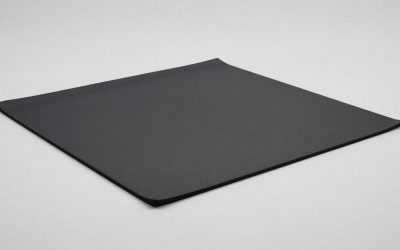
The best gymnastics mat for home practice is a firm, high-density folding panel mat sized to the skills you’ll actually do: typically 2 inches thick for floor drills and beginner tumbling, or 4 inches thick when extra cushioning is useful for controlled landings. Choose enough length for a full movement, a cover you can clean, and a folded footprint that fits your storage space.
Choose by practice area and skill
A mat’s thickness is only one part of the decision. A soft, thick surface can feel comfortable for stretching but may compress too much under a fast takeoff or landing. A firmer mat gives more predictable footing for handstands, cartwheels, and basic tumbling drills. Mats are not a substitute for coached instruction, appropriate progressions, or purpose-built landing equipment for high-impact skills.
BalanceFrom 10x4 Feet 4-Panel Folding Gymnastics Mat – 2-Inch Thick Pad
Chosen because it specifies 2-Inch Thick Pad.
View on AmazonBalanceFrom All Purpose 4'x10'x2" Extra Thick High Density Anti Tear Gymnastics Gym Folding Exercise Aerobics Mats (Pink)
Picked as a relevant option in this category.
View on AmazonBalanceFrom 2" Thick Three Fold Folding Exercise Mat with Carrying Handles for MMA, Gymnastics and Home Gym Protective Flooring (Pink)
Chosen because it specifies Gymnastics and Home Gym Protective Flooring (Pink).
View on AmazonZENOVA Gymnastics Mat 3'x6'x2' Exercise Mat Gym Mat for Home Aerobics Workout Foldable Tumbling Mat Children Gifts
Picked as a relevant option in this category.
View on Amazon- Small room or shared living space: A folding panel mat is easier to store than a permanent roll-out surface. Measure the open area and the folded mat before buying.
- Handstands, bridges, flexibility, and floor conditioning: A 1- to 2-inch firm mat is usually easier to balance on than a thick, yielding pad.
- Beginner tumbling drills: A 2-inch panel mat offers a practical balance of cushioning and stability for low-impact, supervised practice.
- Extra cushioning for controlled drills: Consider a 4-inch mat, but check that its surface remains stable and use it only for skills suited to that equipment.
- Long passes or multiple users: Prioritize usable length and width, plus secure hook-and-loop connectors if adjoining panels are designed to join.
Common mat formats compared
Dimensions and weights vary by manufacturer, so treat the figures below as common configurations rather than universal specifications. Confirm the exact listing, including whether dimensions describe the mat open or folded.
| Mat type | Common open size | Typical thickness | Storage and best fit | Trade-off |
|---|---|---|---|---|
| Folding panel mat | 4 × 8 ft (48 × 96 in) | 2 in | Usually folds into four panels; useful for general home drills | Hinges create seams; folded height and weight still need storage space |
| Thick folding panel mat | 4 × 8 ft (48 × 96 in) | 4 in | Folds for storage; suited to drills that call for more cushioning | Higher profile can feel less stable for balance work |
| Roll-out mat | About 3 × 10 ft (36 × 120 in) | About 1–2 in | Rolls up for storage; useful when a narrow, longer practice lane fits the room | May need a strap or separate storage space; check whether it stays flat at the edges |
| Incline wedge mat | About 2 × 4 ft (24 × 48 in) at the base | Varies by slope and model | Stores as a shaped foam piece; useful for specific beginner progressions | Not a general-purpose replacement for a flat mat |
These formats are examples, not a safety rating or guarantee of compatibility with a particular skill. Product weights are rarely standardized across sizes and foam densities; check the manufacturer’s stated weight if you’ll carry the mat often.
Shortlist by home setup
| Your situation | A sensible starting choice | What to verify |
|---|---|---|
| New to practice; occasional, low-impact drills | Firm 2-inch folding panel mat | Grip underneath, secure seams, and enough length for the planned drills |
| Frequent practice; more floor area available | Longer roll-out mat or connected panel mats | Whether sections lock together and the total footprint fits with clearance |
| Limited closet or under-bed storage | Foldable panel mat with a carry handle | Folded dimensions, total weight, and whether the handle is reinforced |
| Shared use by children and adults | Firm, wipe-clean panel mat in a practical size | Cover seams, cleaning instructions, and consistent placement on the floor |
| Specific coached beginner progressions | Wedge or incline mat, if recommended for those drills | Stable placement and whether the shape and size match the coach’s instruction |
Size the mat to the movement, not the room alone
Measure the clear practice zone, then leave room around the mat so a missed step or roll does not carry into furniture, walls, or hard edges. A standard 4 × 8 ft mat covers 32 square feet. Two such mats placed end to end cover 4 × 16 ft, or 64 square feet, but the joint between them can shift or open if they are not made to connect securely.
Before purchasing, mark the proposed footprint on the floor with painter’s tape. Walk through the intended movement path and check ceiling height, door swings, and nearby obstacles. For a roll-out mat, also measure the rolled diameter and storage length; a long mat can be harder to tuck away than its narrow width suggests.
Foam, firmness, and cover durability
Many home mats use polyurethane foam under a vinyl or similar wipe-clean cover. Foam density and construction influence how a mat feels, but there is no single thickness or firmness that suits every skill. If a seller lists only thickness, ask about foam type, density, intended use, and whether the mat is designed for repeated landings or primarily for floor exercises.
Cover quality often determines how well a mat holds up. Look for reinforced stitching, securely attached handles, and strong closures at folding panels. A textured surface can help with grip, while a slick cover may be easier to wipe but less suitable for certain movements. Avoid assuming that “water-resistant” means the mat can be soaked or left outdoors; follow the maker’s cleaning and drying instructions.
Common wear points are the cover at hinge lines, corners, handle attachments, and hook-and-loop strips. Repeated folding in the wrong direction can stress seams, while dragging a loaded mat across rough flooring can abrade the underside. Store the mat dry and out of direct sunlight when practical. If a seam opens, foam shifts, or the surface becomes slippery or unstable, stop using it until the issue is resolved.
Setup and care that extend useful life
- Inspect before each session: Check for tears, loose stitching, exposed foam, separated panels, or a slick patch.
- Place on a clean, level floor: Remove grit that can wear the underside, and make sure the mat does not slide during a gentle push test.
- Connect panels as intended: Close the manufacturer’s fasteners fully and check that adjoining edges sit flat. Do not bridge a gap with loose cushions.
- Clean gently: Use the approved cleaner or a mild solution on a cloth, then let the cover dry completely before folding. Strong solvents and excessive moisture can damage some covers or seams.
- Store without strain: Fold along the designed hinges, avoid stacking heavy objects on the mat, and keep it away from heat and prolonged sun.
What to prioritize before you buy
For most homes, a firm 2-inch folding panel mat is the most adaptable starting point for basic floor work and controlled beginner drills. Move to a longer or connected setup when the available floor area and practice plan justify it; choose a thicker mat only when the intended use calls for the extra cushioning and the surface remains stable. Compare open and folded dimensions, foam details, cover construction, cleaning instructions, and the seller’s stated use—not thickness alone. For advanced or high-impact skills, get guidance from a qualified gymnastics coach and use equipment appropriate to the skill.

Write Your Review
No reviews yet. Be the first to share your experience!