
Our Top Picks
 Jackery Explorer 1000 v2 Portable Power Station12.87 x 8.82 x 9.72 inches23.37 poundsCheck on Amazon
Portable power stations are sold on a confusing mix of numbers: watt-hours, watts, peak watts, and charging times. The decision behind “best portable power stations” is mostly a matching problem between what you want to run and how long you want to run it. A weekend tent trip with phones and a lantern needs a small battery. A van build, a work site, or a backup setup for a few household devices needs one measured in the high hundreds or thousands of watt-hours.
This guide compares seven models in 2026, from compact units of under 300 Wh to a 3,072 Wh powerhouse, using only the numbers in each product title. Capacity in watt-hours tells you how much energy is stored, while watts tell you how much can be drawn at once. Always check the listing for outlet types and port counts, never exceed the rated load printed on the unit, use it outdoors or in well-ventilated spaces away from flammables and water, and follow the manufacturer’s instructions for charging and storage.

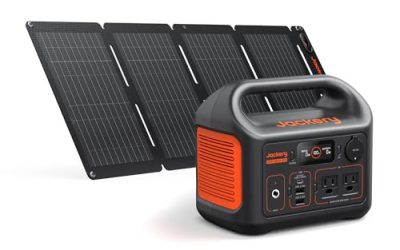
Jackery Explorer 300 Portable Power Station,292Wh | Backup LiFePO4 Battery, Solar Generator for Outdoors, Camping, Travel, Hunting, Blackout (Solar Panel Optional)
Chosen because it specifies 292Wh and Backup LiFePO4 Battery.
View on Amazon
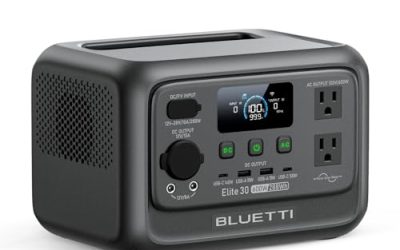
BLUETTI Elite 30 V2 Portable Power Station 288Wh 600W LFP Solar Generator | Power Lifting 1500W, 10ms UPS, 45 Min 0-80% Fast Charging, Emergency Backup Power for Blackout, Camping, Outage and Road Trip
Chosen because it specifies Power Lifting 1500W and 10ms UPS.
View on AmazonJackery Explorer 1000 v2 Portable Power Station, 1024Wh LiFePO4 Battery | 1500W (3000W Peak), 50-Min Fast Charge, 10ms UPS Solar Generator for Home Emergency, Camping & RV.
Chosen because it specifies 1024Wh LiFePO4 Battery and 1500W (3000W Peak).
View on Amazon
EF ECOFLOW Delta 3 Portable Power Station, 1024Wh 1800W | LiFePO4 Battery, Full Charge in 56 Min, 1800W AC/100W USB-C Output, Solar Generator for Home Backup Power, Camping & RVs
Chosen because it specifies 1024Wh 1800W and LiFePO4 Battery.
View on Amazon
Anker SOLIX C1000 Gen 2 Solar powered Generator | 1,024Wh LiFePO4 Battery, Full Charge in 49 Min, 2,000W Portable Power Station (Peak 3,000W) for UPS, Outdoor, Emergency Use
Chosen because it specifies 024Wh LiFePO4 Battery and Full Charge in 49 Min.
View on Amazon
Daran Portable Power Station 89.6Wh LiFePO4 Battery 100W(200W Peak) Solar Power Bank, Portable Charger Small Generator with AC Outlets & PD Fast Charging for Home/Laptop/Camping(Solar Panel Optional)
Picked as a relevant option in this category.
View on Amazon
PECRON Portable Power Station F3000LFP, 3072Wh Solar Generator, 3600W LiFePO4 Battery Home Backup, Fast Charging Power Station Expand Capacity to 10752Wh, Solar Generators for Home Use, Camping, RV
Chosen because it specifies 3072Wh Solar Generator and 3600W LiFePO4 Battery Home Backup.
View on AmazonQuick Picks
| Product | Best for | Key spec from the title |
|---|---|---|
| Daran Portable Power Station | Phones, lights, and a compact camping kit | 89.6Wh, 100W (200W peak), LiFePO4 |
| Jackery Explorer 300 | Weekend camping and travel | 292Wh, LiFePO4, solar generator |
| BLUETTI Elite 30 V2 | Fast-charging small backup | 288Wh, 600W, 1500W power lifting, 10ms UPS |
| Jackery Explorer 1000 v2 | Mid-size trips and home use | 1024Wh, 1500W (3000W peak), 50-min fast charge |
| EcoFlow Delta 3 | Higher-output needs | 1024Wh, 1800W, full charge in 56 min |
| Anker SOLIX C1000 Gen 2 | Quick recharging with big output | 1,024Wh, 2,000W (3,000W peak), 49 min |
| PECRON F3000LFP | Large capacity and expandability | 3072Wh, 3600W, expandable capacity |
How to Choose
Add up what you want to run
Make a short list of devices and check each one’s rated wattage on its label. The station’s continuous output in watts must be higher than the combined draw of everything running at once, and the capacity in Wh sets how long it can last. Divide capacity by combined draw for a rough runtime, and expect real-world losses. Compact units such as the Daran (100W) suit phones, lights, and small fans, while the 1,500W to 3,600W models listed here are built for much larger loads. Check the listing for what each outlet supports.
Look at battery chemistry
Most titles here name LiFePO4 or LFP, a lithium iron phosphate chemistry. The listings for the Jackery, EcoFlow, Anker, Daran, BLUETTI, and PECRON models all mention it. LiFePO4 is often chosen for long cycle life, but cycle counts are not given in these titles, so verify them on the listing. The Jackery Explorer 300 and the Daran both list it at the smaller end of the lineup, which makes chemistry less of a differentiator and puts the focus on capacity and ports.
Check charging speed and solar options
Charging times in the titles are manufacturer claims under stated conditions: 45 minutes to 80% on the BLUETTI Elite 30 V2, 50 minutes for the Jackery 1000 v2, 56 minutes for the EcoFlow Delta 3, and 49 minutes for the Anker SOLIX C1000 Gen 2. Several titles also mention solar generator use, so check which solar panels and input ratings the listing supports before buying. Wall charging is typically quicker than solar, which depends on sun and panel size.
Consider UPS behavior, weight, and expandability
The BLUETTI, Jackery 1000 v2, and Anker titles mention UPS or backup behavior, with 10ms switchover listed on two of them. That feature is meant to keep connected equipment running during a power interruption, but verify the details and do not rely on it for life-critical equipment. Larger units are heavy, and the PECRON lists capacity expansion, so plan storage, lifting, and charging space accordingly.
The 7 Best Options
Daran 89.6Wh Portable Power Station
The smallest unit in this guide, with an 89.6Wh LiFePO4 battery, 100W output (200W peak), AC outlets, and PD fast charging. It suits day trips and phone, tablet, or small light use. The title calls it a solar power bank and portable charger, so think of it as a bigger, outlet-equipped cousin of a battery pack rather than a generator, and check the port list before packing cables.
- Strength: compact capacity makes it the easiest to carry here.
- Strength: LiFePO4 chemistry and PD fast charging are listed.
- Trade-off: 100W output rules out larger appliances.
Skip it if you need to run anything with a high wattage draw or want hours of power for multiple devices.
Jackery Explorer 300
A 292Wh LiFePO4 portable power station marketed for camping, travel, hunting, and blackouts as a solar generator companion. It is a good step up from phone-charging banks for weekend trips. The title lists outdoors, camping, travel, hunting, and blackout use, which shows how broad the intended role is, though the listing is where to confirm the solar panel pairing and port layout.
- Strength: 292Wh capacity covers small electronics across a short trip.
- Strength: LiFePO4 battery is named in the title.
- Trade-off: the visible title gives no output wattage, so check the listing against your devices.
Skip it if you want something that can power several larger devices at once.
BLUETTI Elite 30 V2
A 288Wh LFP unit with 600W output, power lifting up to 1500W, 10ms UPS, and a 45-minute 0-80% charge claim. It is meant for buyers who want a compact backup with quick recharging. The 1500W power lifting figure is a separate figure from the 600W rating, so read the listing carefully on how it works and which devices qualify.
- Strength: fast charging to 80% in 45 minutes is stated.
- Strength: 600W output and UPS function are both listed.
- Trade-off: 288Wh limits runtime for anything beyond light loads.
Skip it if you need long runtime or multi-hour use of higher-draw devices.
Jackery Explorer 1000 v2
A 1024Wh LiFePO4 station rated at 1500W (3000W peak) with a 50-minute fast charge claim and 10ms UPS. It targets campers, van owners, and anyone who wants more capacity than a compact unit. The v2 in the name marks a second generation, so compare it with older listings from the same brand and make sure the 1024Wh figure matches the one you are viewing.
- Strength: 1024Wh capacity and 1500W output sit in the middle of this group.
- Strength: fast charging and UPS are named.
- Trade-off: it is heavier and bulkier than the small units, so check weight on the listing.
Skip it if you only charge phones and lights, since a smaller unit would do and weighs far less. Buyers who want to leave it permanently in a vehicle should read the manufacturer’s temperature guidance first.
EcoFlow Delta 3
A 1024Wh LiFePO4 unit with 1800W AC output, 100W USB-C, and full charge in 56 minutes. It is meant for people who need more output than the Jackery 1000 v2 but the same size capacity. The title lists a 100W USB-C port, which suits laptops that charge over that standard, and the product name points to a newer generation of the Delta line.
- Strength: 1800W AC output is higher than the 1500W stated for the Jackery 1000 v2.
- Strength: 100W USB-C supports fast charging laptops and phones.
- Trade-off: capacity is the same as others, so output and ports are the deciding factors.
Skip it if you need to expand capacity or run very large loads for a long time. Anyone comparing the three 1024Wh units should line up ports, weight, and output on the listings rather than assuming they are interchangeable.
Anker SOLIX C1000 Gen 2
A 1,024Wh LiFePO4 unit with 2,000W output (3,000W peak) and a 49-minute full charge claim, marketed for UPS and solar generator use. It is for buyers who want higher output at the same capacity as its peers. The Gen 2 label and the solar generator wording suggest a pairing with solar panels, so check the listing for compatible inputs and whether any panels are included.
- Strength: the highest stated output among the 1,024Wh models.
- Strength: quick 49-minute full charge is claimed.
- Trade-off: high output drains capacity faster when you draw heavily.
Skip it if you only have light loads and want a lighter unit.
PECRON F3000LFP
The largest model here: 3072Wh, 3600W LiFePO4, with fast charging and expandable capacity. It fits long stays, work sites, and heavy loads rather than backpacking. A unit this large is best placed where it will be used, with a clear, dry, ventilated spot and a path for lifting it in and out, and the title notes that capacity can be expanded.
- Strength: the biggest stated capacity and output in this guide.
- Strength: capacity expansion is mentioned in the title.
- Trade-off: size and weight make it a unit that stays put, and it sits in the premium tier.
Skip it if you need to carry it far or only run small devices. Weight is not given in the title, so confirm it and make sure two people can lift it if needed.
Which One Fits Your Situation
You camp for a weekend with phones and lights
The Jackery Explorer 300 or the Daran 89.6Wh are the compact choices. The Daran is the lighter and smaller of the two.
You want quick recharging between trips
The BLUETTI Elite 30 V2 states 45 minutes to 80%, and the Anker lists 49 minutes for a full charge. Check which charger and conditions the claims assume, and keep in mind that charging to full is usually slower than the headline figure for 80%.
You need a mid-size unit for a van or cabin
The Jackery 1000 v2, EcoFlow Delta 3, and Anker SOLIX C1000 Gen 2 all list 1024Wh. Compare output wattage, ports, and weight to choose.
You have heavy loads or long stays
The PECRON F3000LFP lists 3072Wh and 3600W with expansion. Make sure you have space and a way to move it safely, and never exceed the rated load printed on the unit when running several appliances together.
Common Mistakes
- Confusing watt-hours with watts and expecting a small unit to run a large appliance.
- Ignoring peak versus continuous output, then tripping the unit’s protection.
- Running a power station in a closed space with poor airflow or near flammable materials.
- Counting on a fast-charge claim without checking the charger and conditions it assumes.
- Using the unit for critical medical equipment without confirming suitability with the device maker.
Frequently Asked Questions
What is the difference between Wh and W?
Watt-hours measure stored energy, and watts measure how much power can be drawn at one time. You need enough of both for your devices.
Is LiFePO4 better?
It is a lithium iron phosphate chemistry that many makers promote for long life. Compare cycle ratings on each listing, since titles here do not state them.
Is solar charging possible?
Several titles mention solar generator use, but panel compatibility and input limits vary. Check the listing before buying panels.
Can a power station run a home?
Not in general. Some titles mention emergency backup, but check the rated load of each device and do not connect a unit to a home electrical system without a qualified electrician. Plugging a few essential devices directly into the unit is the safer approach.
FAQ
What is the difference between Wh and W?
Is LiFePO4 better?
Is solar charging possible?
Can a power station run a home?
More from Amazon
Programs that pair well with the guide above. Offers and eligibility are set by Amazon and may change.
Free shipping on eligible items, Prime Video and more. Eligible new members can start with a free trial.
Start a Prime free trialA Prime membership for ages 18-24 with a trial period. Eligibility is set by Amazon.
See Prime for Young AdultsAudiobooks and podcasts to listen to on the go. Eligible new members can start with a free trial.
Try Audible freeAd-free music streaming. Eligible new subscribers can start with a free trial.
Try Music Unlimited freeAs an Amazon Associate we earn from qualifying purchases.

Write Your Review
No reviews yet. Be the first to share your experience!